What is an AI?
Introduction to Artificial Intelligence
What Is Artificial Intelligence?
Artificial intelligence, or AI, is about creating systems that can perform tasks that typically require human intelligence. This includes things like learning from experience, solving problems, and understanding language.
This introduction to this special issue discusses artificial intelligence (AI), commonly defined as “a system’s ability to interpret external data correctly, to learn from such data, and to use those learnings to achieve specific goals and tasks through flexible adaptation.”
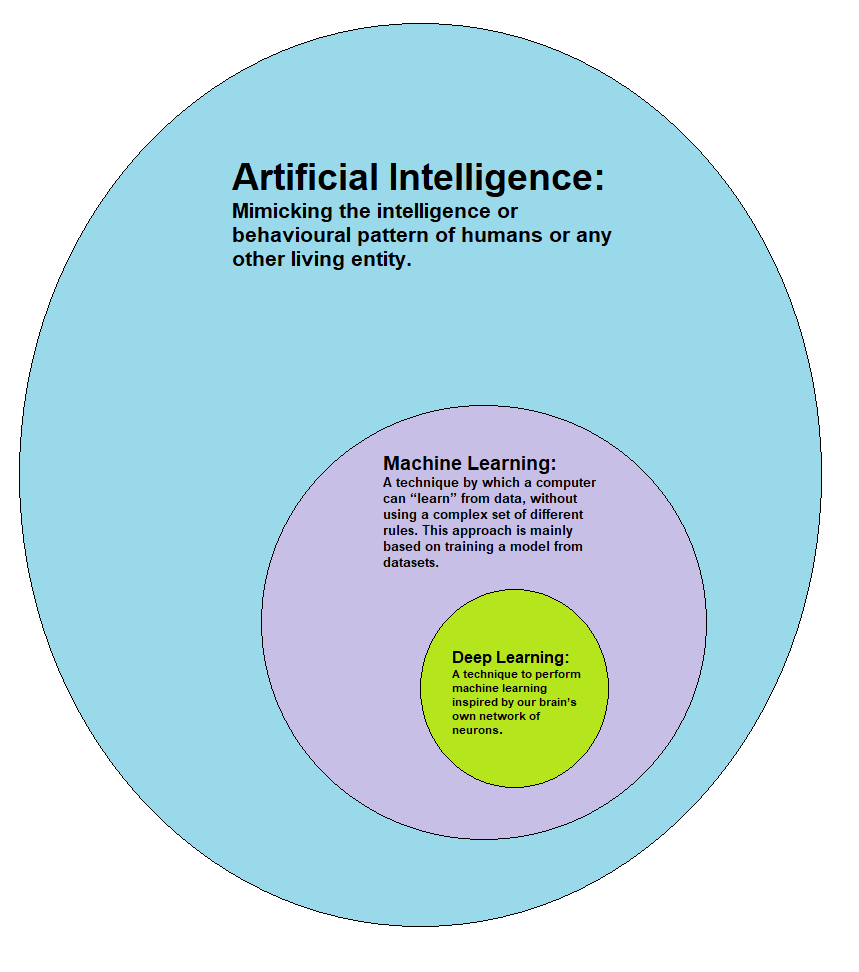
Think about how you recognize a friend's face in a photo, or how you decide the best route to drive to a new place. AI aims to give machines similar abilities. It's a broad field that includes more specific areas like machine learning and deep learning, which are methods for teaching computers to learn from data.
A Brief History
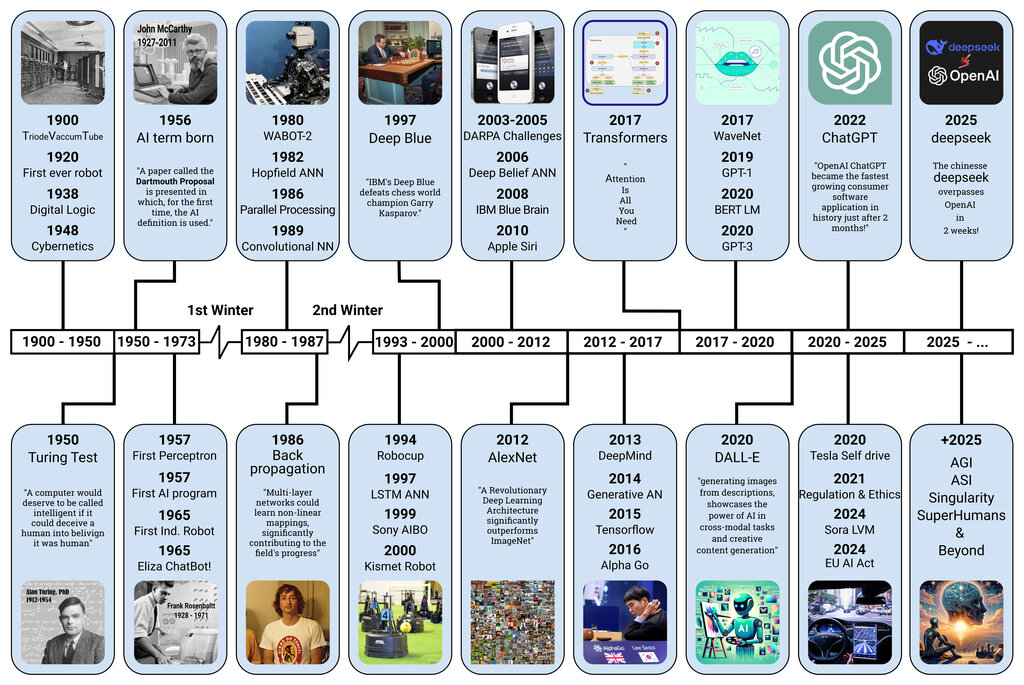
The idea of intelligent machines has been around for centuries, but the modern field of AI officially began in the summer of 1956. A group of researchers gathered at Dartmouth College for a workshop to explore the idea that every aspect of learning or any other feature of intelligence could be precisely described and simulated by a machine. It was here that the term "artificial intelligence" was coined.
Early research was filled with optimism. Pioneers created programs that could solve algebra problems, prove theorems in logic, and speak simple English. Progress was exciting, but the complexity of creating true intelligence was far greater than they anticipated.
The following decades saw periods of rapid advancement followed by "AI winters," when funding dried up and public interest waned. However, the dawn of the 21st century brought a major resurgence. The explosion of big data and the development of much more powerful computers allowed researchers to make huge leaps, particularly in the area of machine learning.
The Three Types of AI
When people talk about AI, they are often referring to one of three different types, which are categorized by their level of intelligence and capability.
Artificial Narrow Intelligence (ANI) Also known as Weak AI, this is the only type of AI we have successfully created so far. ANI is designed and trained for one specific task. It operates within a pre-defined range and can't perform tasks beyond what it was programmed to do. All the AI we use today, from voice assistants like Siri and Alexa to self-driving cars and the algorithms that recommend what you should watch next, is ANI.
Artificial General Intelligence (AGI) Also called Strong AI, AGI is the kind of AI we often see in movies. It refers to a machine with the ability to understand, learn, and apply its intelligence to solve any problem, just like a human being. An AGI could learn to play chess, write a novel, and compose music with the same level of general competence as a person. This type of AI does not yet exist and is a major goal for many researchers.
Artificial Superintelligence (ASI) This is a hypothetical type of AI that would surpass human intelligence across virtually every field, from scientific creativity to general wisdom and social skills. The concept of ASI raises many complex questions about the future of humanity and our relationship with technology. For now, it remains purely in the realm of science fiction and theoretical discussion.
Let's check your understanding of these fundamental concepts.
What is the primary goal of artificial intelligence?
The AI that powers voice assistants like Siri and recommends movies on streaming services is an example of which type of AI?
Understanding the basics of AI, its history, and its different forms provides a solid foundation for exploring this powerful and rapidly evolving field.