Westphalia and the Birth of Global Order
The Westphalian Myth
The Great Myth of 1648
Ask anyone in international relations about the origin of the modern state, and they'll likely point to a single year: 1648. The story goes that the Peace of Westphalia, which ended the devastating Thirty Years' War, magically birthed the state system we know today. This narrative claims the treaties established the principles of sovereignty, territorial integrity, and non-interference in other states' domestic affairs. It's a neat, tidy origin story.
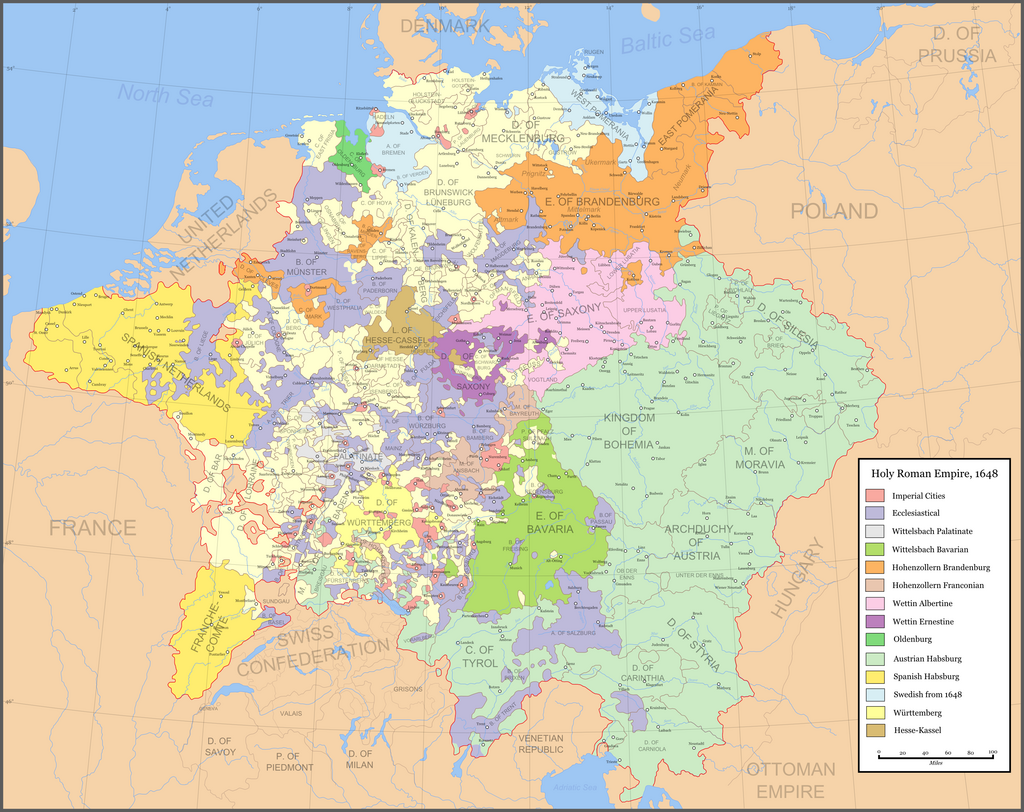
But it's also largely a myth. While the treaties were a landmark achievement in European diplomacy, they were not a revolutionary break from the past. Instead of inventing a new world order from scratch, the Peace of Westphalia was more of a complex constitutional settlement within the existing framework of the —an evolution, not a revolution. Historians like Andreas Osiander have compellingly argued that the 'Westphalian myth' was constructed much later to serve the political purposes of the 19th and 20th centuries.
What Westphalia Really Did
The two treaties that make up the Peace of Westphalia, the Treaty of Münster and the Treaty of Osnabrück, were less about creating a new international system and more about resolving specific, long-standing grievances. Their main purpose was to end a brutal war by settling territorial disputes and, crucially, establishing a new balance between Catholics, Lutherans, and Calvinists within the Empire.
The treaties granted the princes and rulers of the Empire's member states the right to determine the official religion of their own lands. However, this power was not absolute. It was still subject to the overarching legal and constitutional framework of the Empire, including the authority of the Imperial Diet (the general assembly) and the Emperor himself.
Far from creating a system of completely independent, sovereign states, the treaties actually reaffirmed the hierarchical structure of the Holy Roman Empire. The member states gained more autonomy, or 'territorial superiority', but they did not gain full sovereignty in the modern sense. They were still part of the Empire and subject to its laws and institutions. They couldn't, for example, forge alliances against the Emperor. This was a rebalancing of power, not a dismantling of the old order.
Building the Westphalian Legend
If the treaties didn't create the modern state system, why do we think they did? The myth of 1648 was retrospectively constructed by political theorists and historians, especially in the 19th century. As the modern nation-state became the dominant political unit in Europe, these thinkers looked to the past for a foundational moment. Westphalia fit the bill.
They projected their contemporary ideas of absolute sovereignty and the nation-state back onto the events of 1648. This created a powerful and convenient origin story that justified the state-centric international order of their time. Scholar points out that the term 'sovereignty' doesn't even appear in the treaties' text. The idea of Westphalia as a clean break helped simplify a messy history into a clear narrative of progress toward the modern world.
The Peace of Westphalia in 1648 formalized the sovereignty of individual German princes and rulers, diminishing the emperor’s power.
This quote reflects the traditional view, emphasizing a power shift away from the emperor. While true that the princes' power grew, the revisionist perspective clarifies that this happened within the Empire's structure, not by breaking away from it. The emperor's power was diminished, but not eliminated, and the concept of a unified imperial framework endured for another 150 years.
Understanding the Westphalian myth is important. It shows us that history is not just a collection of facts, but a narrative that is often shaped by later generations. Westphalia was a pivotal moment, but its true significance lies in its role as a step in the long, slow evolution of state power, not as the single moment the modern world was born.
What is the common, but largely mythical, understanding of the Peace of Westphalia's significance?
According to the text, what was a primary, practical purpose of the treaties of Münster and Osnabrück?