Western Art of the 1500s
Renaissance Art Basics
A Revolution in Realism
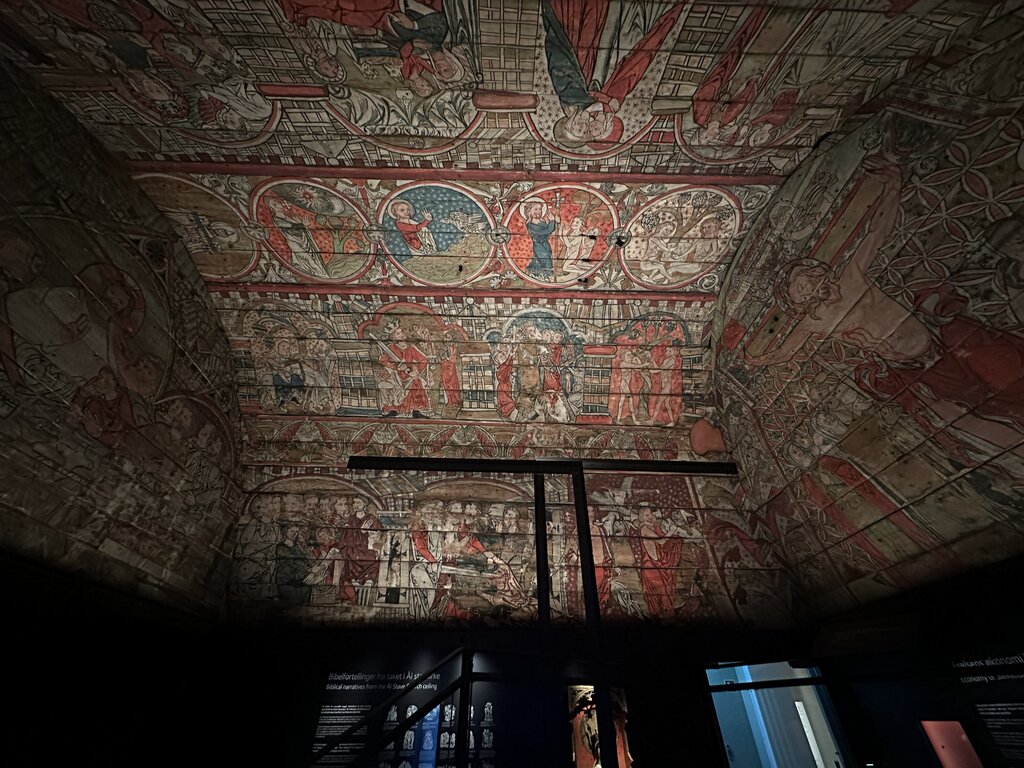
Before the Renaissance, European art looked very different. For centuries, during the Middle Ages, art was primarily symbolic. Artists painted flat figures that represented religious ideas, not real people in a real space. The goal wasn't to fool the eye, but to tell a sacred story.
Then, around the 14th century in Italy, a new way of thinking emerged: It celebrated human potential, reason, and the individual's experience in the physical world. This wasn't a rejection of religion, but a new focus on humanity's place within creation. Artists were inspired to make their work look like a 'window onto the world', a believable scene that you could almost step into. To do this, they needed a new set of tools and techniques.
The Illusion of Depth
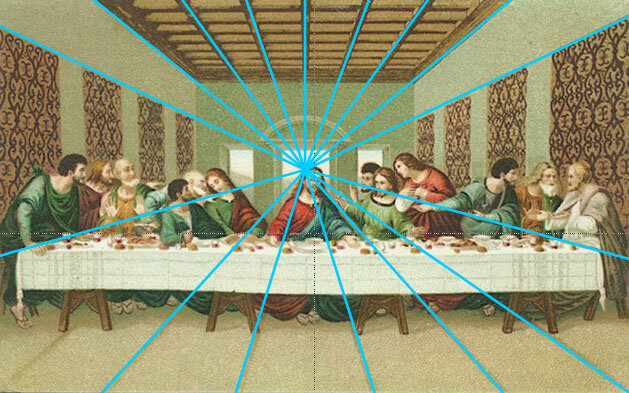
One of the biggest breakthroughs was the invention of This mathematical system allowed artists to create a convincing illusion of three-dimensional space on a two-dimensional surface. It works by having parallel lines, like the edges of a road or the tiles on a floor, appear to converge at a single 'vanishing point' on the horizon. The effect is powerful, drawing the viewer's eye into the painting.
Artists also used 'atmospheric perspective' to enhance the sense of distance. They noticed that objects farther away appear less detailed, paler, and bluer than objects in the foreground. By mimicking this effect, they could make landscapes feel vast and deep.
Crafting Form with Light
Creating a deep space was only half the battle. How could artists make the figures and objects within that space look solid and rounded, not flat? The answer was light and shadow. Renaissance painters mastered the technique of chiaroscuro to model their subjects.
chiaroscuro
noun
An artistic technique using strong contrasts between light and dark to model three-dimensional forms on a flat surface.
By placing bright highlights next to deep shadows, an artist could carve out the shape of a cheekbone, show the roundness of an arm, or suggest the folds in a piece of cloth. This use of dramatic light gave figures a new sense of volume and physical presence that was revolutionary at the time.
The Artist's Palette
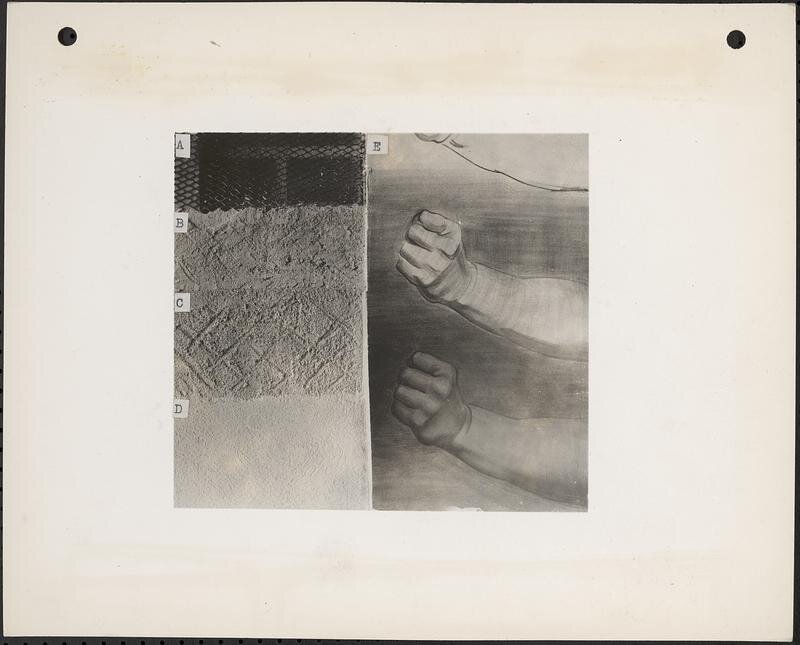
These new techniques were applied using various materials, each with its own properties. Many artists worked in fresco, painting directly onto wet plaster. This was difficult because the artist had to work quickly before the plaster dried, but it created durable artworks that became part of the wall itself. The Sistine Chapel ceiling is a famous example.
Before the widespread adoption of oil paint, the most common medium for painting on wooden panels was tempera. Pigments were mixed with a binder, usually egg yolk. Tempera paint dries very quickly and creates a flat, matte finish. It's difficult to blend colours smoothly, so artists often created shading through a painstaking process of applying many small brushstrokes, a technique called hatching.
A major innovation was the increasing use of oil paint. Pigments were mixed with oils, like linseed oil, creating a slow-drying and versatile medium. Oil paint allowed for rich colours, subtle blending, and the ability to make changes over a long period. This new medium made techniques like chiaroscuro even more effective, allowing for smooth, gradual transitions from light to shadow.
These fundamental shifts in thinking and technique—from Humanism's focus on realism to the development of perspective and chiaroscuro—laid the foundation for centuries of Western art.