West Texas Oil Operations and Mineral Economics
Rule of Capture
The Rule of Capture
In Texas, oil and gas law is built on a simple, powerful idea: the Rule of Capture. Often called the "Big Pump Theory," this legal doctrine gives a landowner the right to produce as much oil and gas as they can from a well on their own land, without liability to their neighbors for draining hydrocarbons from beneath the neighbors' property.
Think of it like putting a straw into a shared milkshake. As long as your straw stays on your side of the table, you can drink as much as you want, even if you end up drinking some of the milkshake that was originally on your friend's side. This principle is fundamental to understanding Texas oil and gas development. It means the only way to protect your resources from being drained by a neighbor is to drill your own well.
The Rule of Capture creates a non-liability shield. A landowner is not responsible for the natural drainage of oil and gas from a neighboring property that results from legal drilling operations.
This approach differs significantly from the legal doctrines in many other states. Those states often use a "correlative rights" or "fair share" principle, which requires that each owner in a common reservoir be given a reasonable opportunity to produce their just and equitable share of the oil and gas. Texas law, however, incentivizes speed and efficiency. If you don't drill, your neighbor will, and the resources you could have captured will be gone.
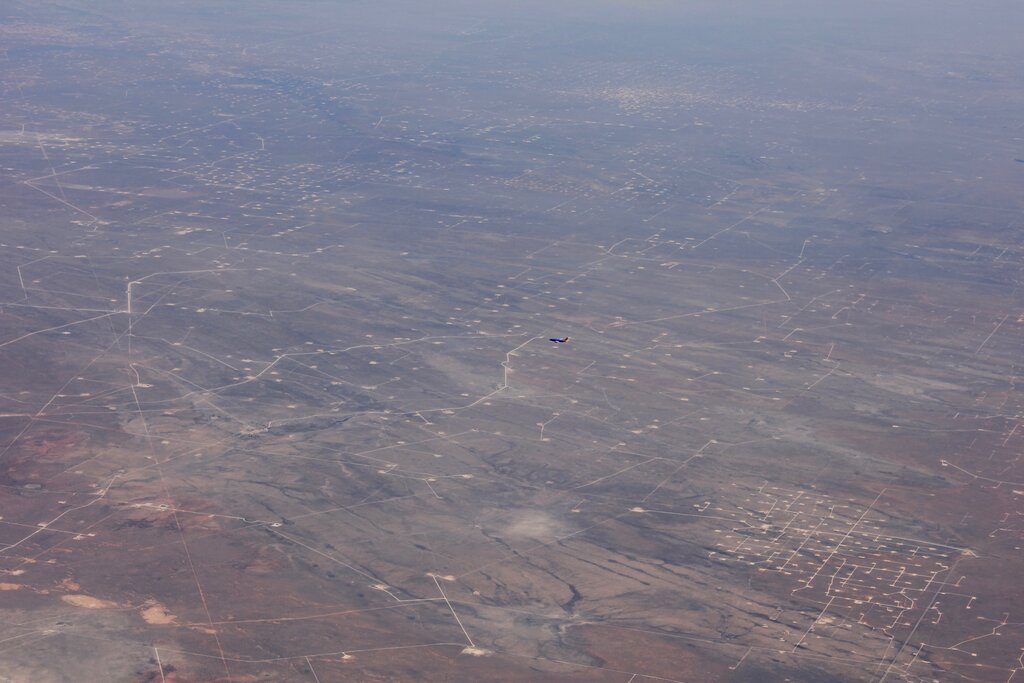
Regulating the Race
While the Rule of Capture encourages rapid production, it's not a complete free-for-all. The Railroad Commission of Texas (RRC) steps in to prevent waste and protect property rights through regulation. The most important of these regulations are the statewide spacing rules, designed to ensure wells are placed in an orderly fashion.
The cornerstone is RRC Rule 37. It sets minimum distances for drilling a new well:
- 467 feet from any property line, lease line, or subdivision line.
- 1,200 feet from any other well completed in the same reservoir on the same tract.
These distances create a buffer zone around each property, ensuring that every landowner has a reasonable opportunity to drill a well and capture their share of the resources. A well that complies with these rules is considered a "legal location."
Exceptions to the Rule
The protection offered by the Rule of Capture is not absolute. It only applies to legitimate, legal production. There are several key situations where a producer can be held liable for drainage.
Illegal Drainage (Slant Drilling): The rule protects drainage that occurs naturally through the reservoir, not drainage caused by a physical invasion. If an operator drills a directional well that crosses under a neighbor's property line to tap the reservoir—a practice known as slant drilling or trespass—it is illegal. The driller is liable for the value of all the hydrocarbons they produce through that well.
Negligent Operations: An operator can be held liable if they cause waste or damage through negligence. For example, if an operator has a well blowout that damages the reservoir and prevents neighbors from recovering their oil, the Rule of Capture does not protect them from liability for that waste.
Violation of RRC Rules: If an operator drills a well in violation of Rule 37 or other RRC orders (e.g., production limits), any drainage from that illegal well is not protected. The operator would be liable to the adjacent mineral owner for the value of the drained oil and gas.
What is the common nickname for the legal doctrine that allows a Texas landowner to produce as much oil and gas as possible from their property, even if it drains from a neighbor's land?
Under the Texas Rule of Capture, if your neighbor drills a successful oil well near your property line, what is your primary recourse to prevent them from draining the oil from beneath your land?
The Rule of Capture is a foundational principle that shapes the entire oil and gas industry in Texas, creating a competitive environment that has defined regions like the Permian Basin.