Welding Cast Iron
Cast Iron Properties
The Carbon Question
Cast iron is fundamentally an iron alloy with a high carbon content, typically between 2% and 4%. For comparison, most steels have less than 2% carbon. This extra carbon is the secret to cast iron’s unique personality. It gives the metal excellent compressive strength—meaning it’s great at resisting being squeezed—and makes it relatively inexpensive to produce.
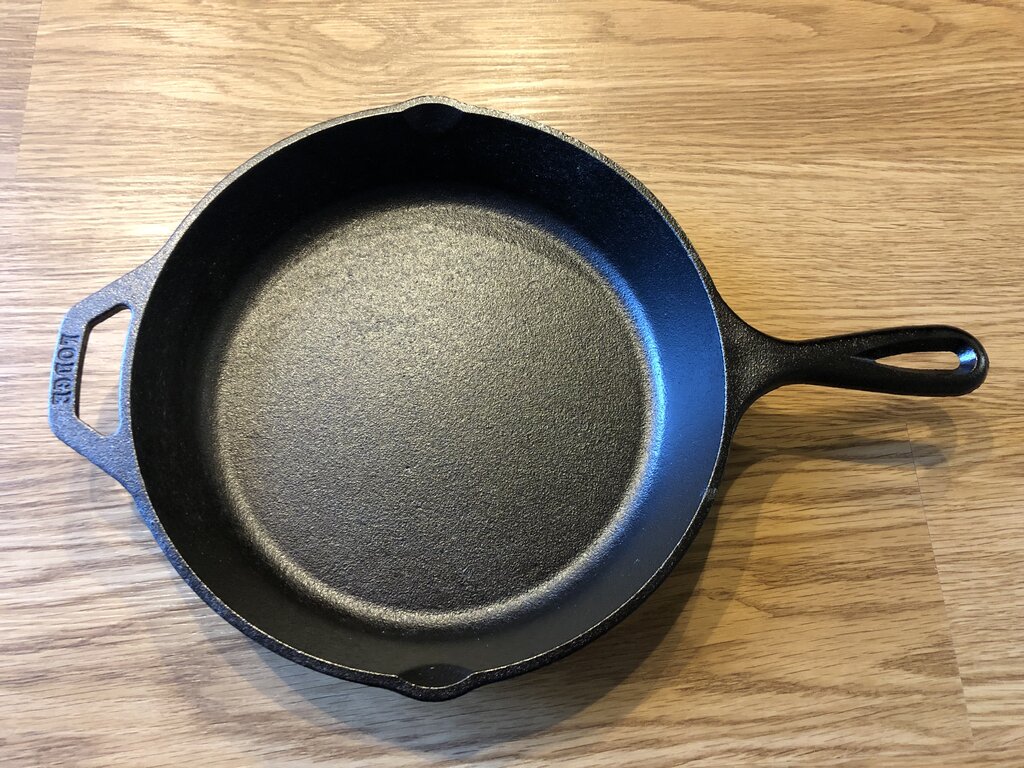
However, the high carbon content comes with a significant trade-off: brittleness. Unlike steel, which tends to bend or stretch under stress, cast iron is more likely to crack and fracture. Think of the difference between a metal paperclip and a piece of chalk. You can bend the paperclip, but the chalk just snaps. This brittleness is the central challenge when it comes to welding.
A Family of Irons
The term "cast iron" doesn't refer to a single material, but a group of them. The key difference between them lies in how the carbon exists within the metal's internal structure, or microstructure. This is controlled by how the iron is cooled after being cast and what other elements are added to the mix. These differences dramatically change the material's properties and how it behaves during welding.
The shape of the carbon in the iron's microstructure determines its strength, ductility, and ultimately, its weldability.
Let's meet the four main types.
| Type | Carbon Form | Key Properties | Weldability |
|---|---|---|---|
| Gray Iron | Flakes | Brittle, good vibration damping | Difficult; prone to cracking |
| White Iron | Iron Carbide | Extremely hard, brittle, wear-resistant | Very difficult; requires special procedures |
| Ductile Iron | Spheres (Nodules) | Strong, ductile, tougher than gray iron | Fair; better than gray iron |
| Malleable Iron | Irregular Clusters | Malleable, shock-resistant | Good; one of the more weldable types |
Microstructure and Welding
The table above gives a quick summary, but let's dig into why the microstructure matters so much for welding.
Gray Cast Iron: The carbon forms into graphite flakes. You can think of these sharp-edged flakes as tiny, built-in cracks scattered throughout the metal. While this makes the iron easy to machine, it provides perfect pathways for cracks to start and spread, especially under the intense thermal stress of welding.
White Cast Iron: This type is created by cooling the molten iron very quickly. The carbon doesn't have time to form graphite; instead, it bonds with the iron to create a compound called iron carbide, or cementite. This makes the metal incredibly hard and wear-resistant, but also extremely brittle. Welding white iron is a specialist's job, as the heat can easily cause it to shatter.
Ductile Cast Iron: By adding a small amount of magnesium or cerium to the molten iron, the graphite forms into round spheres instead of flakes. These nodules don't create the internal stress points that flakes do, allowing the metal to bend and deform more before fracturing. This increased ductility makes it significantly easier to weld than gray iron.
Malleable Cast Iron: This type starts its life as white cast iron. It then undergoes a prolonged heat treatment process (annealing) that breaks down the hard iron carbide and causes the carbon to clump together in irregular clusters. This process gives the final material a good combination of strength and ductility, making it one of the most weldable forms of cast iron.
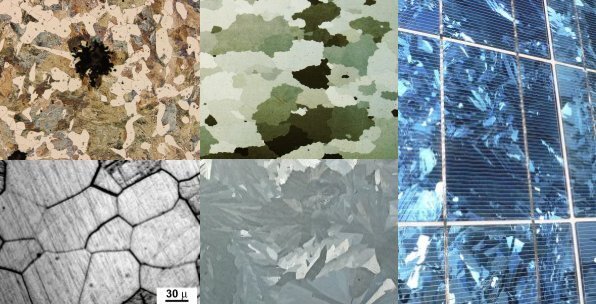
Understanding which type of cast iron you're working with is the first step in any successful repair. The form of its carbon will dictate its reaction to the intense, localized heat of a welding arc. The rapid heating and cooling cycle can even change the microstructure in the area around the weld, potentially creating brittle white iron where there was none before, leading to post-weld cracking.