Weight Management for Women Over 35
Understanding Hormonal Changes
The Hormonal Shift
Starting in your late 30s and early 40s, your body enters a transitional phase called perimenopause. You might not notice it at first, but internally, a major shift is underway. Your ovaries begin to produce less estrogen and progesterone, the two main female reproductive hormones. These changes aren't always steady. Hormone levels can swing unpredictably, leading to a cascade of effects throughout your body, including how you store fat.
During perimenopause and menopause, the body’s ability to burn fat decreases due to changes in hormones like oestrogen, which often leads to increased fat storage around the abdomen.
One of the most noticeable changes is where your body puts on weight. In your younger years, estrogen directs fat storage to your hips, thighs, and buttocks. As estrogen levels decline, this pattern changes. Your body starts to store more visceral fat, which is the fat deep within your abdominal cavity, surrounding your organs. This is why many women find their waistline expanding even if their overall weight hasn't changed much.
More Than Just Estrogen
While estrogen gets most of the attention, other hormones play crucial roles in your metabolism and weight. Progesterone, which also declines during perimenopause, has a calming effect and helps regulate your sleep and mood. When it's low, you might feel more anxious or have trouble sleeping, which can indirectly affect your weight.
Testosterone, though known as a male hormone, is also important for women. It helps build and maintain muscle mass. Since muscle burns more calories than fat, having healthy testosterone levels supports a higher metabolism. As these levels naturally decrease with age, it can become easier to lose muscle and gain fat.
The Stress Connection
Cortisol, often called the “stress hormone,” is another key player. It’s produced by your adrenal glands in response to stress. In short bursts, cortisol is helpful. But chronic stress, which can be common during this life stage, leads to consistently high cortisol levels.
High cortisol can increase your appetite, particularly for sugary and high-fat foods. It also signals your body to store more fat, especially in the abdominal area. This hormonal response is a survival mechanism, but in modern life, it can contribute to unwanted weight gain.
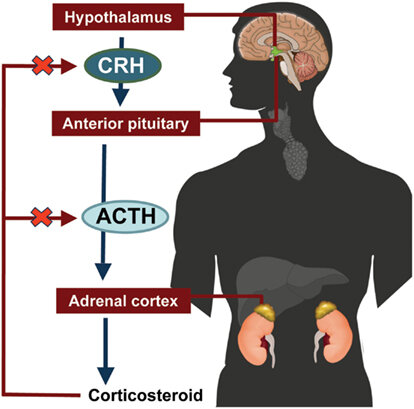
Elevated cortisol from chronic stress not only boosts appetite but also encourages your body to hang onto abdominal fat.
The Insulin Puzzle
The final piece of the puzzle is insulin, the hormone that manages your blood sugar. It acts like a key, unlocking your cells to let glucose (sugar) in for energy. When your cells stop responding well to insulin, it's called insulin resistance.
The hormonal shifts of perimenopause can contribute to this. As estrogen declines, your body can become less sensitive to insulin.
As estrogen declines, many women become more insulin-resistant, meaning the body must produce more insulin to manage blood sugar effectively.
When your cells are resistant, your pancreas has to pump out more and more insulin to get the job done. High levels of insulin are a powerful signal for your body to store fat, particularly around your midsection. This creates a challenging cycle: hormonal changes increase insulin resistance, and insulin resistance promotes fat storage.
Now that you understand the key hormonal players, let's test your knowledge.
During perimenopause, a decline in estrogen typically leads to which change in fat storage?
Chronically high levels of cortisol, the 'stress hormone,' can contribute to weight gain during perimenopause primarily by:
Understanding these interconnected hormonal changes is the first step in navigating this new phase of your health.