Weight Loss Beyond Motivation
Understanding Habit Formation
The Power of Automatic Behavior
Think about the first thing you do when you wake up. Do you reach for your phone? Stumble to the coffee maker? Brush your teeth? You probably don't spend much time deciding. You just do it. These automatic actions are habits.
A habit is a behavior that you've performed so many times it becomes second nature. Your brain, in an effort to be efficient, creates shortcuts for regular tasks. This frees up mental energy for more complex decisions. When it comes to weight loss, this is a game-changer. Relying on sheer willpower or motivation to make healthy choices every single day is exhausting. Habits put healthy eating and activity on autopilot.
Instead of deciding to go for a walk, you just find yourself putting on your shoes after dinner. That's the power of a habit.
The Habit Loop
All habits, good or bad, follow a simple three-step neurological pattern. Understanding this pattern, called the habit loop, is the key to taking control of your behaviors.
-
Cue: This is the trigger that tells your brain to go into automatic mode and which habit to use. It could be a time of day, a specific location, an emotional state, or the action that just preceded it.
-
Routine: This is the behavior itself, whether it's physical, mental, or emotional. It's the action you take when the cue appears.
-
Reward: This is what satisfies the craving your brain was seeking. The reward tells your brain that this particular loop is worth remembering for the future. Over time, this loop becomes more and more automatic.
Consider the habit of grabbing a cookie every afternoon. The cue might be feeling a slump in energy around 3 p.m. The routine is walking to the kitchen and eating a cookie. The reward is the sugar rush and the brief distraction from work. Your brain learns that when the 3 p.m. slump hits, a cookie is the solution.
Motivation vs. Habit
Motivation is a powerful feeling. It's what gets you to start a new diet or sign up for a gym membership. But motivation is an emotion, and like all emotions, it comes and goes. It's high on Monday morning but might be gone by Friday evening after a long week.
You can't rely on something so fickle for long-term change. This is where habits come in. A habit is a system, not a feeling. It's the structure that keeps you going when motivation fades. The goal isn't to be motivated every day. The goal is to build habits that carry you through the days you don't feel motivated.
Consistency is the foundation of habit formation.
A person who has a habit of walking after dinner doesn't debate whether they feel like it. They just do it, because it's what they always do. Their consistency has built a behavior that no longer requires a motivational push.
How Your Brain Builds Habits
Habit formation is a process of learning and adaptation. When you first perform a new action, your prefrontal cortex, the decision-making part of your brain, is heavily involved. You have to think consciously about each step.
But as you repeat the action in response to the same cue, your brain looks for a way to save effort. The behavior gets encoded into a deeper, more automatic part of the brain called the basal ganglia. The neural pathways associated with the habit become stronger, like a well-trodden path in a forest. The more you use the path, the clearer it becomes, and the easier it is to follow without thinking.
The reward part of the loop is crucial. It releases dopamine, a neurotransmitter associated with pleasure and reinforcement. This dopamine hit tells your brain, "Hey, that was good. Let's do it again." This chemical feedback strengthens the connection between the cue and the routine, cementing the habit.
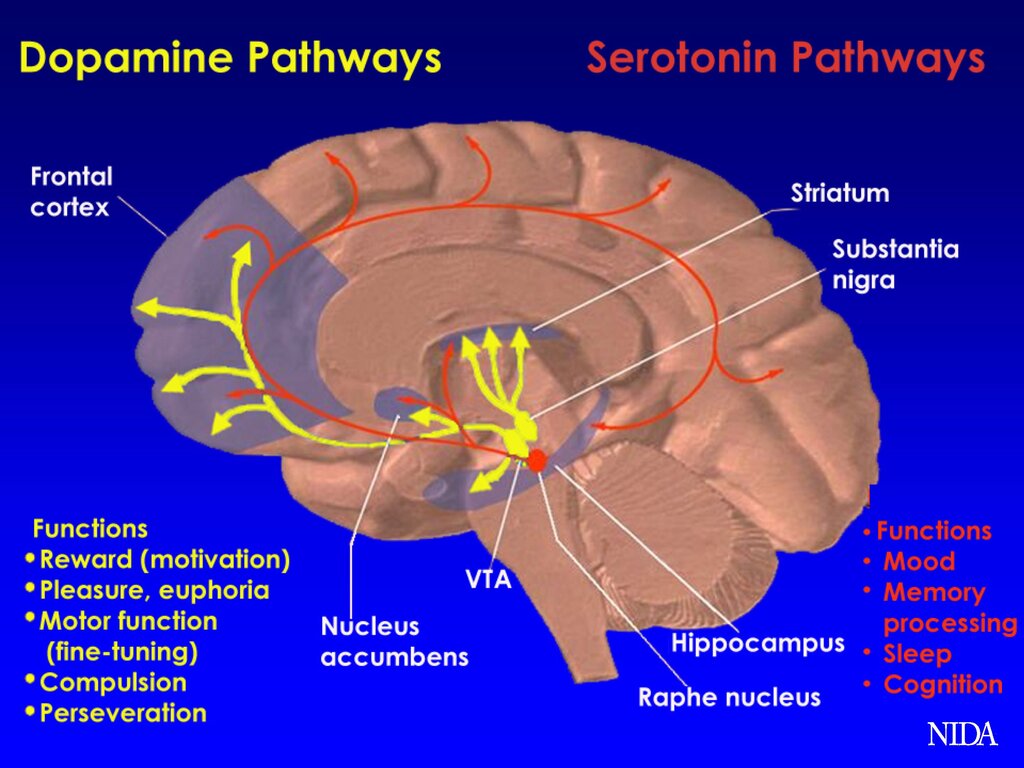
This process works for both healthy and unhealthy habits. Your brain doesn't judge whether the habit is "good" or "bad"; it only cares about efficiency and reward. By understanding this system, you can start to intentionally build the paths you want.
According to the habit loop model, what are the three sequential components of any habit?
Every morning you wake up and immediately scroll through social media on your phone. What part of the habit loop does the act of waking up represent?
Now that you understand how habits work, you have the foundational knowledge to start changing them. In the next sections, we'll explore specific strategies for building new, healthy habits.