Weekly Meal Prep Mastery
Meal Planning Basics
Get Started with Meal Planning
Meal planning is simply the act of thinking ahead about what you'll eat. It’s not about rigid diets or complicated recipes. Instead, it’s a tool to make your weeks smoother, reduce last-minute stress about dinner, and help you manage your food budget more effectively. By deciding your meals in advance, you gain control over your time and what you eat.
A well-thought-out meal plan can help you improve the quality of your diet or reach a specific health goal while saving you time and money.
Look at Your Habits
Before you start planning new meals, take a moment to look at your current habits. You don't need a detailed food diary. Just think about the past week. What did you eat for breakfast, lunch, and dinner? When did you eat out? What meals did you enjoy, and which ones felt like a chore?
This simple review helps you see what's already working. Maybe you always have oatmeal for breakfast, or Friday is your pizza night. These are the building blocks of your first meal plan. The goal is to build a new routine that fits your real life, not to completely overhaul it overnight.
Also, consider your schedule. Are there nights when you work late and need something quick? Do you have more time to cook on the weekends? Understanding your weekly rhythm is key to creating a plan you'll actually stick with.
Create Your Weekly Plan
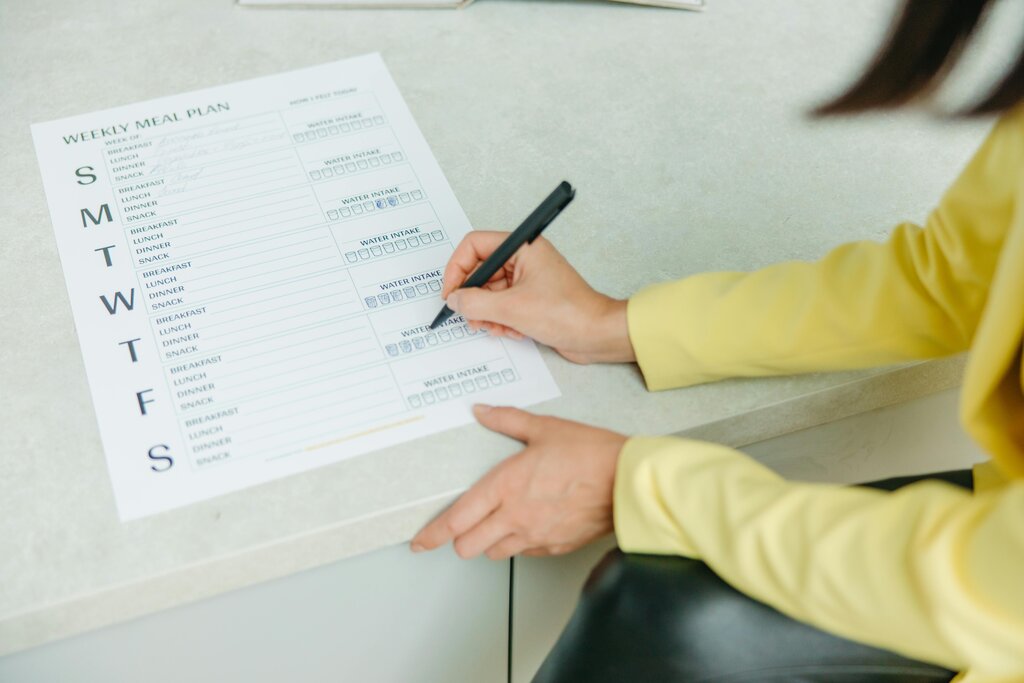
Now it's time to build your plan. Start with a simple template for the week. You can use a notebook, a whiteboard, or a digital app. List the days of the week, and then fill in your meals. Don't feel pressured to plan every single snack and side dish at first. Begin by focusing on dinners, as they often require the most planning.
Look at your calendar for the upcoming week. On busy nights, schedule a quick and easy meal, like pasta or pre-made soup. On days with more time, you might plan a recipe that takes a bit longer. Use your list of favorite meals from your self-assessment as a starting point. If your family loves tacos, put Taco Tuesday on the schedule. Reusing favorite recipes makes planning much faster.
Don't forget to include everyone in the household. Ask your partner or kids for their input. When people feel involved in the planning, they're more likely to be excited about the meals. This also helps ensure you're making food that everyone will actually eat, which reduces waste.
A good starting goal is to plan three to four dinners for the week. You can rely on leftovers or simple staples for the other nights.
Balance Nutrition and Cost
A smart meal plan considers both health and budget. You don't need to be a nutritionist to create balanced meals. A simple approach is to try to include three main components in each meal: a protein, a carbohydrate, and a fruit or vegetable.
For protein, think about options like chicken, fish, beans, lentils, or tofu. Carbohydrates can include rice, potatoes, pasta, or whole-grain bread. Then, add color to your plate with vegetables or a side of fruit. This simple formula helps ensure your meals are satisfying and nutritious.
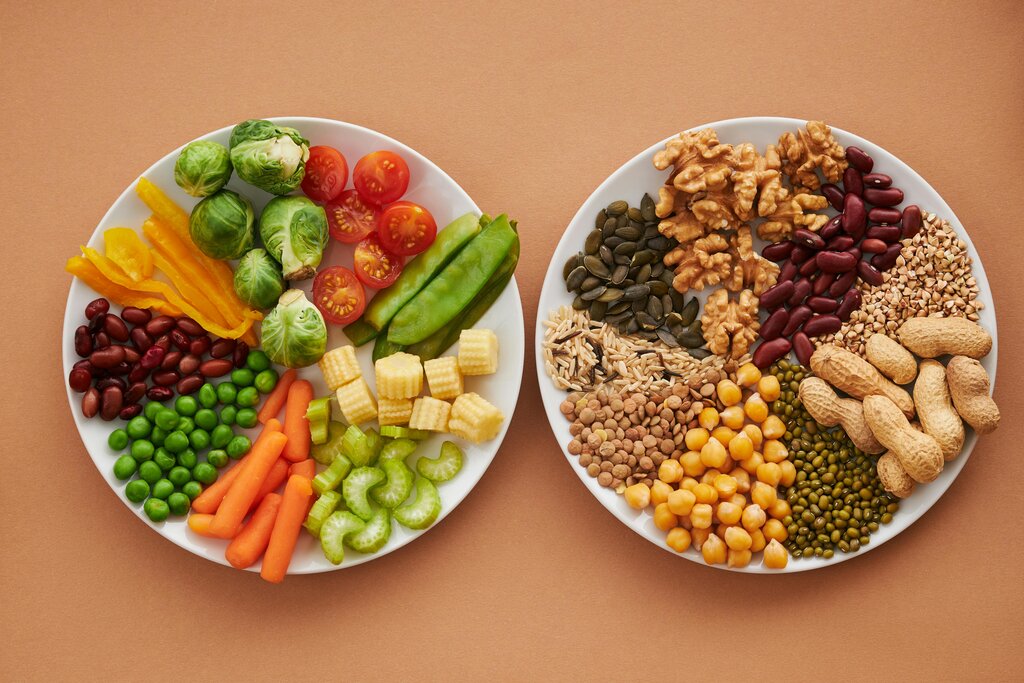
To manage costs, lean on budget-friendly staples. These are versatile ingredients that form the base of many affordable meals. Planning meals around these items can significantly lower your grocery bill.
| Food Group | Budget-Friendly Examples |
|---|---|
| Protein | Eggs, lentils, beans, canned tuna, chicken thighs |
| Carbohydrates | Oats, rice, potatoes, pasta, whole-wheat bread |
| Vegetables | Cabbage, carrots, onions, frozen vegetables (like peas or spinach) |
| Fruits | Bananas, apples, seasonal fruits (like oranges in winter) |
As you get more comfortable, you can plan meals around what you already have in your pantry or what's on sale at the grocery store that week. This flexibility is what makes meal planning a sustainable habit.
Ready to check your understanding? This quiz will help you review the core ideas of meal planning.
What is the primary purpose of meal planning, according to the text?
What is the recommended first step to take before creating a new meal plan?
Meal planning is a skill that gets easier with practice. Start small, be flexible, and focus on creating a system that works for you and your family.