WeChat Pay Business Models
Introduction to WeChat Pay
The All-in-One App
In 2013, the landscape of digital payments in China changed forever. Tencent, a massive tech company, launched WeChat Pay. It wasn't a standalone app but a feature built directly into WeChat, an app already used by hundreds of millions for messaging.
This integration was the key to its success. WeChat is often called a "super-app" because it combines the functions of dozens of different apps into one. Users can chat with friends, post social updates, order a taxi, pay utility bills, book a doctor's appointment, and buy groceries without ever leaving the app. Placing a payment system inside this ecosystem made transactions seamless.
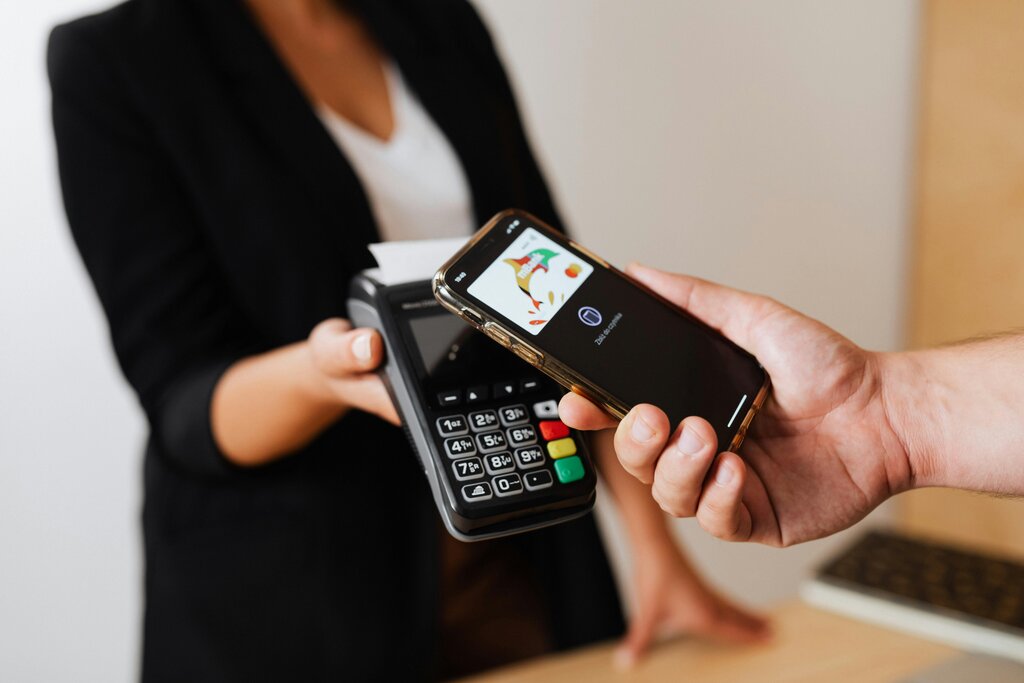
Instead of needing to convince people to download a new payment app, Tencent simply added a powerful wallet to the communication tool they already used every day. This strategy led to incredibly rapid adoption.
A Payment Giant
The numbers behind WeChat Pay are staggering. The platform, along with its main competitor Alipay, serves over a billion users. Together, they process an enormous volume of transactions that have fundamentally reshaped China's economy.
The widespread use of mobile payments has made China one of the world's most advanced digital payment markets, moving it rapidly toward a cashless society.
This isn't just about online shopping. In China, it's common to use WeChat Pay for almost everything. People scan QR codes to pay for street food, rent bicycles, and even give money to buskers. Within the app, friends can easily split a dinner bill, and during holidays, they exchange digital "red envelopes"—a modern take on the traditional gift of cash.
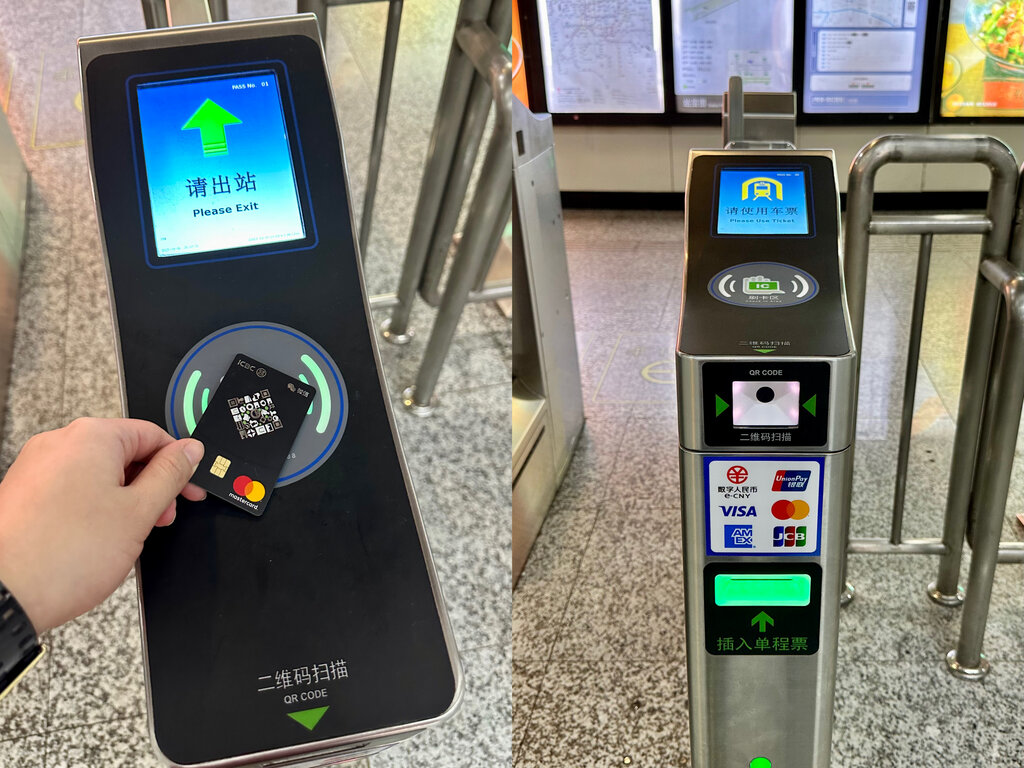
By embedding a payment solution into the fabric of daily digital life, WeChat Pay became more than just a tool for transactions. It became an indispensable part of how people manage their money and interact with the world around them.