WebSockets for Real-Time Communication
Introduction to WebSockets
The Web's Communication Upgrade
For a long time, the web worked like a polite but repetitive conversation. Your browser (the client) would ask a website's server for information using a protocol called HTTP. The server would respond with the data, and then the conversation would end. If you needed new information, like a new message in a chat or an updated stock price, your browser had to ask all over again.
This is like constantly tapping someone on the shoulder and asking, "Anything new? Anything new?" It works, but it's inefficient and slow. This process is often called HTTP polling.
As web applications became more interactive, this constant polling created problems. It generated a lot of unnecessary network traffic and introduced delays, or latency. For things that need to happen in real-time, like a multiplayer game or a live auction, even a small delay can ruin the experience. A better way was needed.
Enter WebSockets
WebSockets change the rules of the conversation. Instead of a series of short, separate chats, a WebSocket opens a persistent, two-way communication channel between your browser and the server. It’s like opening a phone line and keeping it open for as long as you need it.
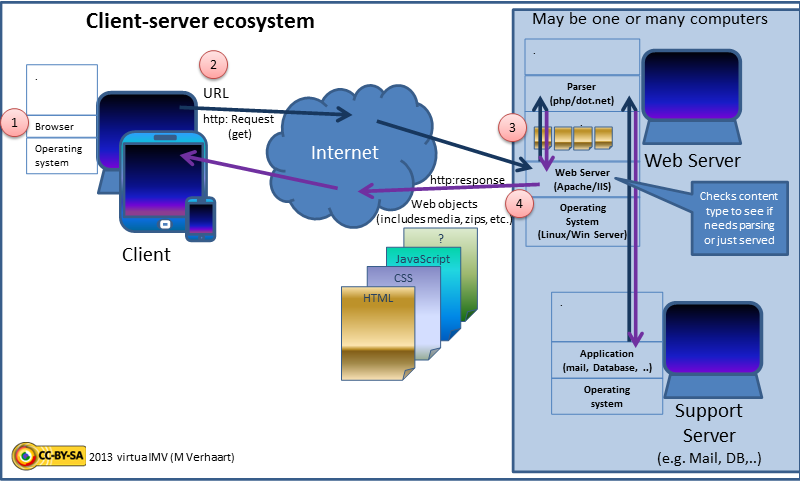
Once this connection is established, both the client and the server can send data to each other at any time. The server no longer has to wait for the client to ask for updates. It can push new information instantly the moment it becomes available. This fundamental shift from a request-response model to a push model is what makes modern, real-time web applications possible.
Key Features
WebSockets have a few distinct advantages over the old HTTP polling method, which make them ideal for certain types of applications.
WebSockets provide a persistent, bidirectional communication channel between client and server over a single TCP connection.
Full-duplex
adjective
A system that allows communication in both directions simultaneously. In contrast, half-duplex allows communication in only one direction at a time.
This full-duplex nature means data can flow back and forth freely without one side having to wait for the other. It's a true conversation.
Because the connection is always open, there's very low latency. Messages are sent and received almost instantly, which is critical for online gaming, where split-second reactions matter.
Finally, WebSockets have reduced overhead. Once the initial connection is made, the data packets sent back and forth are small. They don't need to be bundled with all the extra information (like HTTP headers) that a traditional request would require. This saves bandwidth and makes the whole process faster and more efficient.
Common Use Cases
You've likely used applications powered by WebSockets without even realizing it. They are the technology behind many of the real-time features we use every day.
| Use Case | How WebSockets Help |
|---|---|
| Chat Apps | New messages appear instantly for all users without needing to refresh the page. |
| Online Gaming | Player actions and game state changes are synchronized across all players with minimal delay. |
| Live Data Feeds | Stock tickers, sports scores, and news feeds update in real-time as new information becomes available. |
| Collaborative Tools | In apps like Google Docs, you can see others typing character-by-character thanks to a persistent connection. |
By providing a fast and efficient two-way communication channel, WebSockets have become a foundational piece of the modern, interactive web.
What fundamental communication model shift do WebSockets introduce compared to the traditional HTTP protocol?
In the context of WebSockets, what does 'full-duplex' communication mean?