Websites Explained
Introduction to Websites
What Is a Website?
At its core, a website is a collection of related pages and content, all under a single web address, like example.com. Think of it as a digital place—a storefront, a library, a gallery, or a community center—that you can visit from anywhere with an internet connection.
Its purpose can be anything. Some websites exist to sell products. Others share news, host videos, or connect friends. They are the fundamental building blocks of the internet, allowing people and organizations to share information and offer services to a global audience.
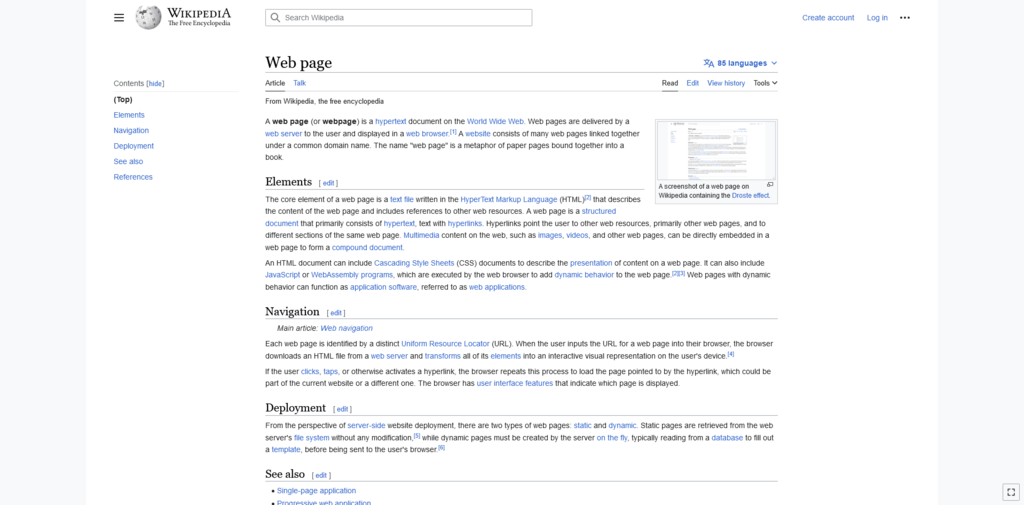
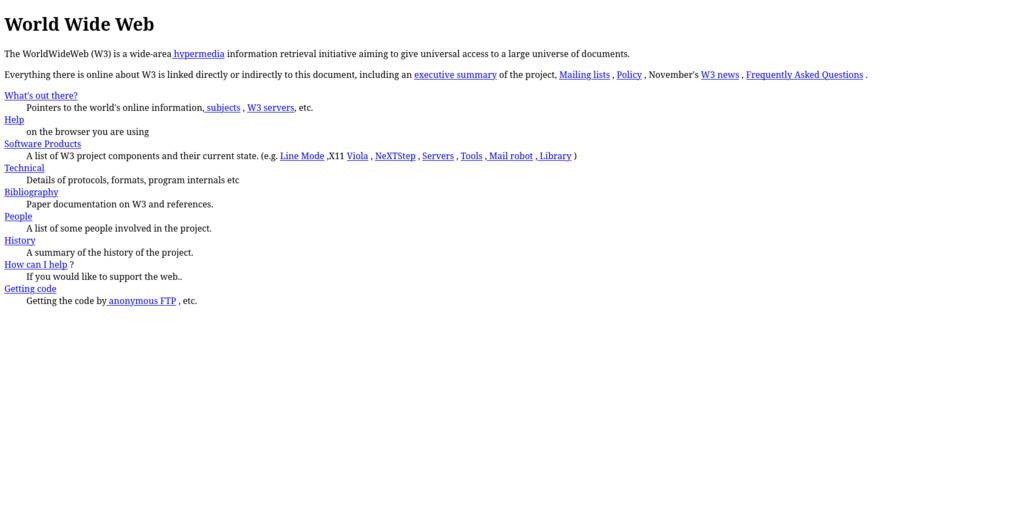
A Quick Trip Through Time
The first websites were simple. In the early 1990s, they were mostly text on a plain background, similar to a document you might write. They provided information, but there wasn't much to interact with. They were like digital posters tacked onto the new wall of the World Wide Web.
Fast forward to today, and websites have become powerful, interactive platforms. You can shop, watch movies, take classes, and manage your bank account. This evolution was driven by new technologies that allowed for more complex features, better designs, and experiences tailored to each visitor.
Static vs. Dynamic
Websites generally fall into two categories: static and dynamic. The difference is all about how the content is handled.
A static website is the simplest type. Its content is fixed and delivered to every visitor exactly as it's stored. Imagine a restaurant's informational flyer. It has the menu, address, and hours, and that information doesn't change unless someone manually prints a new one. A simple portfolio or a brochure-style site for a small business are common examples.
Static sites are fast and simple, but not personalized.
A dynamic website, on the other hand, can change its content on the fly. It pulls information from a database to generate pages that are tailored to the user, the time of day, or other factors. Think of a social media feed. What you see is different from what your friend sees. News websites, e-commerce stores, and online forums are all dynamic because their content is constantly updating.
Dynamic sites are interactive and personalized, but more complex.
Here’s a quick breakdown of the key differences.
| Feature | Static Website | Dynamic Website |
|---|---|---|
| Content | Fixed, same for all users | Changes based on user/data |
| Technology | Simple (HTML, CSS) | Complex (server, database) |
| Example | A personal resume page | An online store like Amazon |
| Interaction | Low (links, maybe a form) | High (logins, posts, carts) |
Understanding this distinction is key to recognizing how different websites work and serve their unique purposes. Whether a site needs to be a simple, unchanging source of information or a bustling, interactive hub determines whether it will be built as static or dynamic.
Time for a quick check-in to see what you've learned.
What is the primary characteristic that differentiates a static website from a dynamic website?
Which of the following would most likely be a static website?
From simple pages to complex applications, websites form the backbone of our digital world, each designed with a specific purpose and technology in mind.