Websites Demystified
Introduction to Websites
What Exactly Is a Website?
Think of a website as a digital book or magazine. It's a collection of related pages, all stored under a single address, that you can access over the internet. These pages are linked together, so you can easily jump from one to another, just like flipping through chapters.
A website is a collection of interlinked web pages accessible through the Internet, typically identified by a unique domain name (like www.wikipedia.org).
Every website has a unique address, called a domain name. When you type that address into your browser, you're telling it to go find that specific collection of pages. The first page you usually land on is called the homepage.
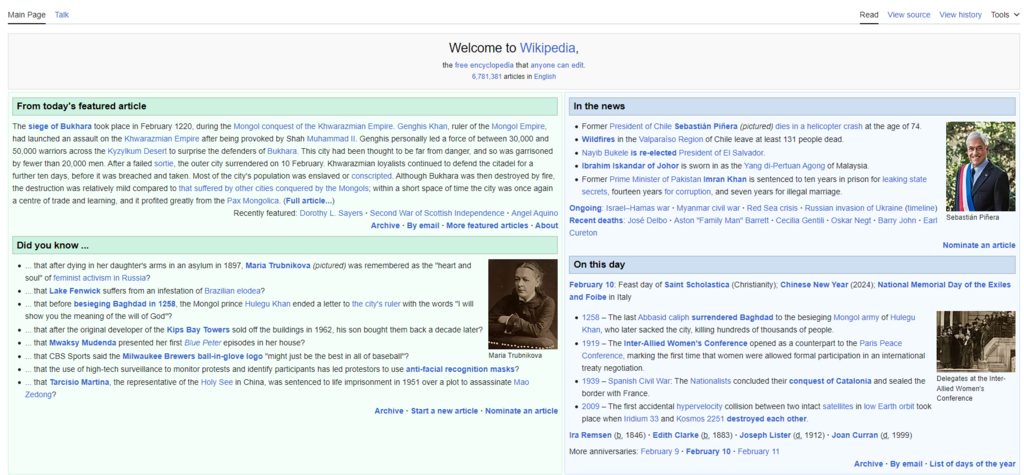
The Basic Layout
While websites can look wildly different, most share a similar basic structure. This helps us know what to expect and find information easily.
The Homepage is the front door. It's the main page that introduces the site's purpose and gives you options for where to go next.
The Navigation Menu is like a table of contents. It's a set of links, usually at the top of the page or along the side, that directs you to the most important sections of the site.
The Content Area is the main body of a page. It's where you'll find the articles, videos, product descriptions, or whatever information you came for.
Website vs. World Wide Web
It's easy to mix up these two terms, but the difference is simple. The World Wide Web (or just "the web") is the entire universe of all websites. A website is just one location in that universe.
Think of it this way: the web is a massive public library system. A website is a single book on one of the shelves. Your web browser is the tool that lets you check out any book you want, as long as you know its title, or address.
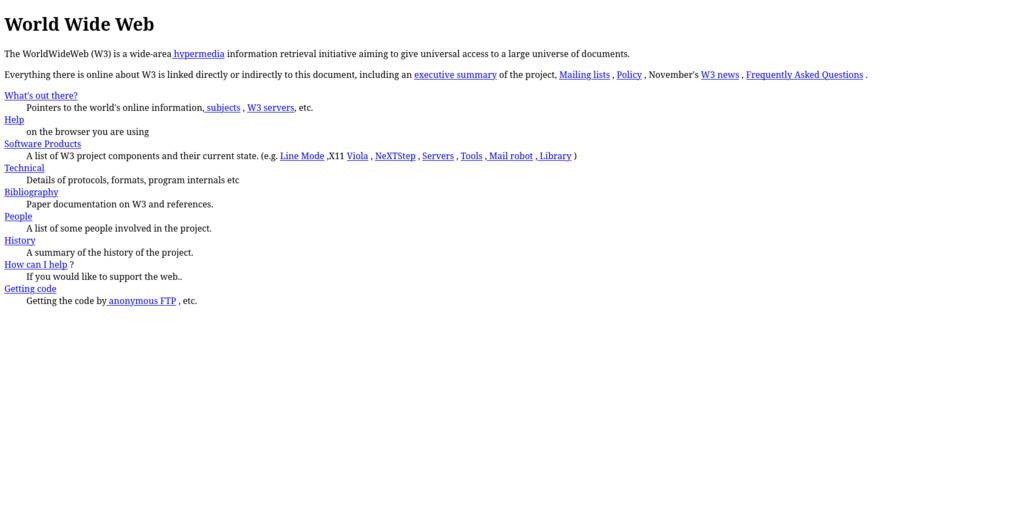
This vast network allows information to be shared globally. But we experience it one website at a time.
What Are Websites For?
Websites serve countless purposes. They are our primary platforms for finding information, connecting with others, and conducting business.
A news organization uses its website to deliver the latest stories. A retail store uses its website to sell products directly to customers anywhere in the world. A government agency uses its website to provide public services and information.
From personal blogs to massive social networks, websites are flexible tools for sharing ideas, offering services, and building communities.
What is the primary function of a website's homepage?
If the World Wide Web is analogous to a massive public library system, what does a single website represent?
That's the basic idea of what a website is and how it fits into the larger World Wide Web. It's a foundational concept for understanding how we interact with the digital world.