Website Setup and Configuration
Domain Registration
Choosing Your Digital Address
Every website needs a unique address so people can find it. This is its domain name. Think of it like a street address for a house, but on the internet. Your domain is what people type into their browser's address bar to visit your site, like google.com or wikipedia.org.
Picking the right name is crucial. It's the first thing people see and a core part of your brand. A good domain name should be:
- Memorable: People should be able to recall it easily.
- Easy to spell and pronounce: Avoid slang, hyphens, numbers, or complicated words. If you have to spell it out loud, it's probably too complex.
- Relevant: It should reflect your brand, your name, or the purpose of your website.
BobsPlumbing.comis much clearer thanBestPipesInTown123.com. - Short: Shorter names are easier to type and remember.
When choosing a name, consider factors like relevance to your industry, ease of pronunciation, memorability, and availability of the domain name.
Understanding Domain Extensions
The letters that come after the final dot in a domain name are called a top-level domain (TLD), or domain extension. The most common one is .com, but there are hundreds of others. The TLD you choose can tell visitors something about your website before they even arrive.
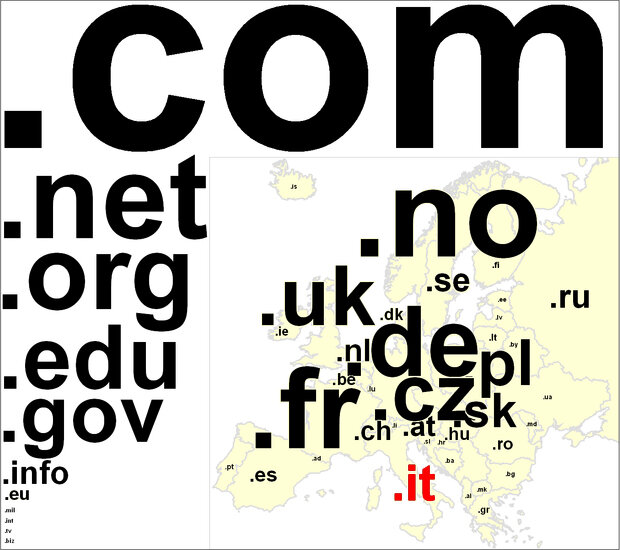
Some TLDs are intended for specific purposes. While enforcement of these rules varies, using an appropriate extension builds trust. Here are a few common examples:
| TLD | Intended Use |
|---|---|
| .com | Commercial businesses |
| .org | Non-profit organizations |
| .net | Network services, internet providers |
| .edu | Educational institutions |
| .gov | Government agencies |
There are also country code top-level domains (ccTLDs), like .uk for the United Kingdom or .jp for Japan. These are great if your audience is primarily in one specific country. In recent years, many new, more descriptive TLDs have also appeared, such as .app, .photo, or .shop.
How to Register Your Domain
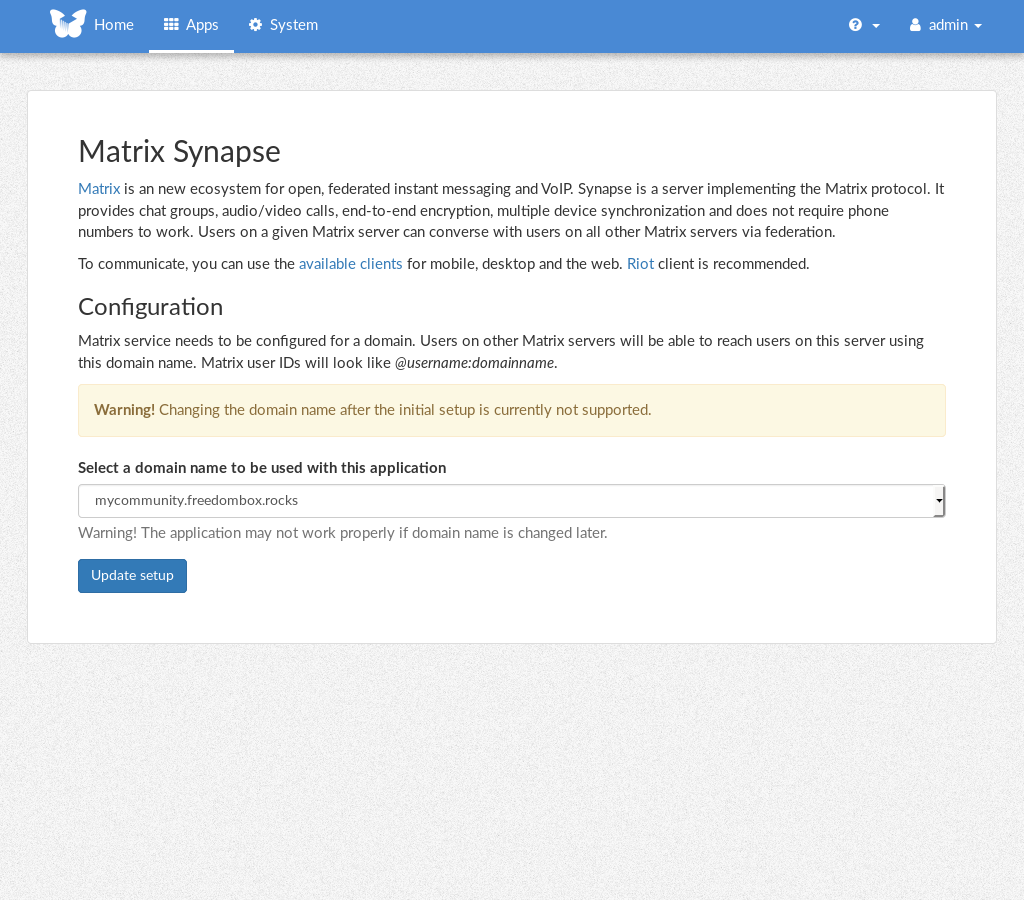
Once you've chosen a name, you need to see if it's available. Two websites can't have the same address, so your choice must be unique. If MyAwesomeSite.com is already taken, you'll have to try something else, like MyAwesomeOnlineSite.com or choose a different TLD like MyAwesomeSite.net.
You register a domain through a company called a domain registrar. These are businesses accredited to manage and register domain names. The process is straightforward:
- Search for your name: Use the registrar's search tool to check if your desired domain is available.
- Choose your registration period: You can register a domain for one year or multiple years at a time. Many registrars offer discounts for longer terms.
- Provide your contact information: You'll need to provide your name, address, and email. This information is stored in a public database called WHOIS.
- Complete the payment: You pay the registrar a fee to reserve the name for your chosen period.
It’s a good practice to enable auto-renewal for your domain. If you forget to renew it manually, it could expire and be registered by someone else.
Avoiding Trademark Issues
Just because a domain name is available doesn't always mean you should register it. If your chosen name is too similar to an existing brand's trademark, you could face legal trouble. For example, trying to register MyCocaColaStore.com would almost certainly lead to a legal dispute.
Before you register, do a quick search online and in official trademark databases to see if another company is already using a similar name. It's a simple step that can save you a lot of headaches later.
Ready to check your understanding?
What is the primary function of a domain name?
Which of the following would be the strongest domain name for a new online business that sells handmade pottery?
Choosing and registering a domain is a foundational step in creating an online presence. By picking a memorable, relevant name and securing it correctly, you're setting your website up for success.