Website SEO Mastery
Introduction to SEO
What Is SEO?
Search Engine Optimization (SEO) is the practice of improving your website to increase its visibility when people search for products or services related to your business in search engines like Google, Bing, and others. The better visibility your pages have in search results, the more likely you are to attract new and existing customers.

Think of the internet as a massive, ever-growing library. A search engine is like a librarian who helps you find the exact book you need. SEO is the process of making sure your "book" (your website) is easy for the librarian to find, understand, and recommend to people who are looking for it. Without SEO, your website might get lost on a dusty shelf in the back.
The goal of SEO is to attract organic traffic, which means visitors who find your site through a search engine, not through paid ads.
How Search Engines Work
Search engines have come a long way. Early versions were like simple digital card catalogs. You typed in a word, and they'd show you a list of documents containing that exact word. Today, they are much smarter. They work to understand the intent behind your search query to provide the most helpful and relevant results.
To do this, search engines perform three primary tasks: crawling, indexing, and ranking.
1. Crawling: Search engines use programs called crawlers or bots (sometimes called spiders) to discover publicly available webpages. These bots start with a list of known pages and follow the links on those pages to find new ones, constantly exploring the web.
2. Indexing: Once a page is crawled, the search engine analyzes its content, including text, images, and video files. This information is stored and organized in a huge database called an index. When you search for something, the engine isn't searching the live web; it's searching this pre-built index.
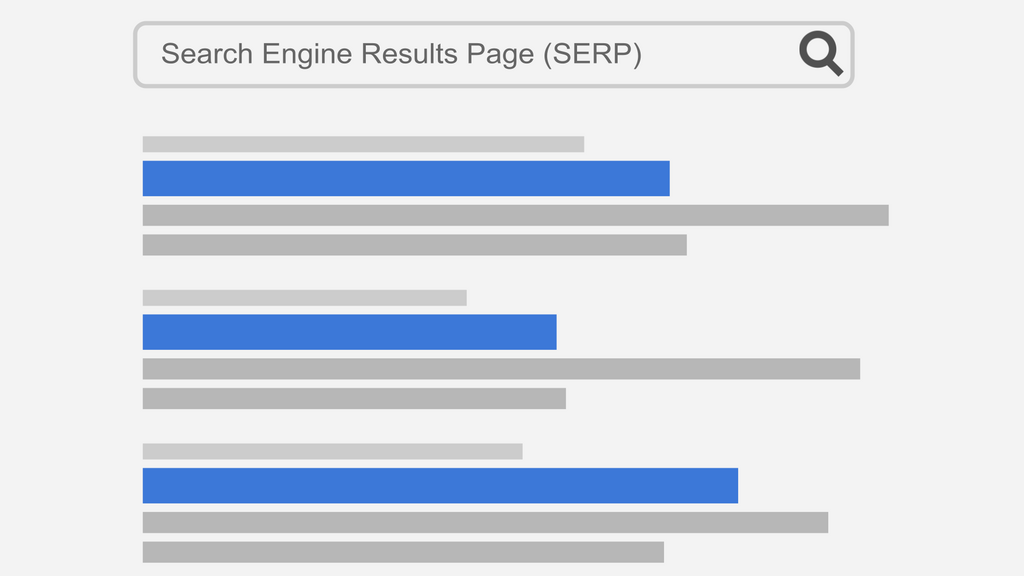
3. Ranking: When a user performs a search, the engine scours its index for relevant content and then orders it from most relevant to least relevant. This ordering is called ranking. The goal is to put the best possible result at the top of the search engine results page (SERP).
The Three Pillars of SEO
SEO can be broken down into three main categories. Think of it like building a house: you need a solid foundation, well-designed rooms, and a good reputation in the neighborhood.
| Pillar | What It Is | Analogy |
|---|---|---|
| Technical SEO | The non-content aspects of your site. It ensures search engines can crawl and index your site without issues. | The Foundation: A strong, stable foundation is crucial for a house, even if visitors don't see it. This includes site speed, mobile-friendliness, and site structure. |
| On-Page SEO | Optimizing the content on your website's pages. This tells search engines what your content is about. | The Rooms & Decor: This is the quality of your content, the keywords you use, your headlines, and how well the information is presented. It's what people come to see. |
| Off-Page SEO | Actions taken outside of your own website to impact your rankings. This builds your site's authority and trustworthiness. | The Reputation: This includes getting recommendations (links) from other reputable websites, mentions on social media, and building a trusted brand. It's what others say about your house. |
All three pillars are essential. You can have the best content in the world (on-page), but if search engines can't access it (technical) or if no one else vouches for it (off-page), it won't rank well.
SEO's Role in Digital Marketing
SEO is a core component of a larger digital marketing strategy. While other methods like paid advertising and social media marketing can drive immediate traffic, SEO is about building a sustainable, long-term asset. It's the engine that can bring consistent, high-quality traffic to your website over time without you having to pay for every single click.
Search Engine Optimization (SEO) is the foundation of any successful digital marketing strategy.
By understanding who your audience is and what they're searching for, you can create content that meets their needs. This not only improves your search rankings but also builds trust and establishes your brand as an authority in your field.
What is the primary goal of Search Engine Optimization (SEO)?
Which of the following lists the three primary tasks a search engine performs to deliver results to a user?
Now you have a grasp of what SEO is and why it's a vital part of having an online presence. It's all about making your site easy for both people and search engines to find and understand.