Website Purpose Explained
Website Basics
What Is a Website?
Think of a website as a collection of connected pages, like a digital book or magazine. It lives on the internet and has a unique address, just like your house. Anyone with an internet connection can visit it by typing its address into a web browser.
The purpose of a website can be almost anything. Some exist to share information, like an online encyclopedia or a news site. Others are for selling products, connecting with friends, or showcasing an artist's portfolio. At its core, a website is a tool for communication.
The Building Blocks
While websites can look wildly different, most are built from the same basic parts. Understanding these components helps you see the structure underneath the design.
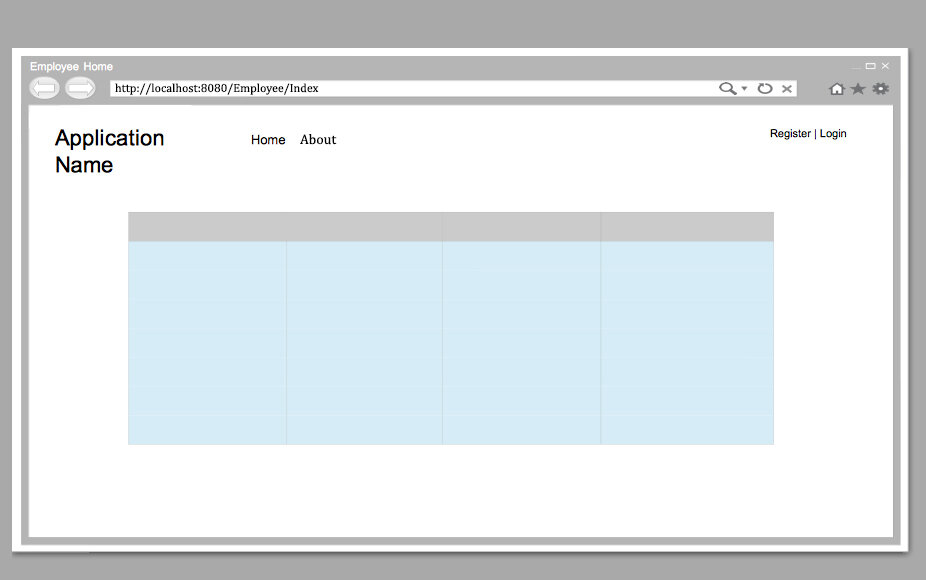
Homepage
noun
The main page or starting point of a website. It's the first thing visitors usually see and gives an overview of what the site is about.
Beyond the homepage, you'll find navigation menus. These are sets of links, often at the top of the page or along the side, that act like a table of contents. They guide you to different sections, such as "About," "Services," or "Contact."
Good navigation helps users find what they need quickly, without getting lost.
The main content area is where the substance of each page lives. This is where you'll find the articles, product descriptions, images, or videos you came for. Finally, at the very bottom, there's the footer. It usually contains less-critical information like copyright notices, privacy policies, and links to social media.
How People Use Websites
People interact with websites in a few standard ways. You click on links to move from page to page. You scroll up and down to see all the content on a single page. Sometimes, you might fill out a form to sign up for a newsletter or buy a product.
It's important to know that most people don't read websites word-for-word. Instead, they scan. Users quickly look over a page for keywords, headings, and links that catch their eye. They're trying to figure out if the page has what they're looking for as fast as possible.
This scanning behavior is why clear headings and short paragraphs are so important. They make a website easier to digest at a glance.
Now let's check your understanding of these fundamental concepts.
What is the primary function of a website's navigation menu?
A user visits an online store and quickly looks at the headings and images to see if it sells hiking gear. This behavior is best described as:
Understanding these basic parts is the first step to analyzing how any website works and whether it serves its users well.