WebRTC Fundamentals Explained
Introduction to WebRTC
Communication, Browser to Browser
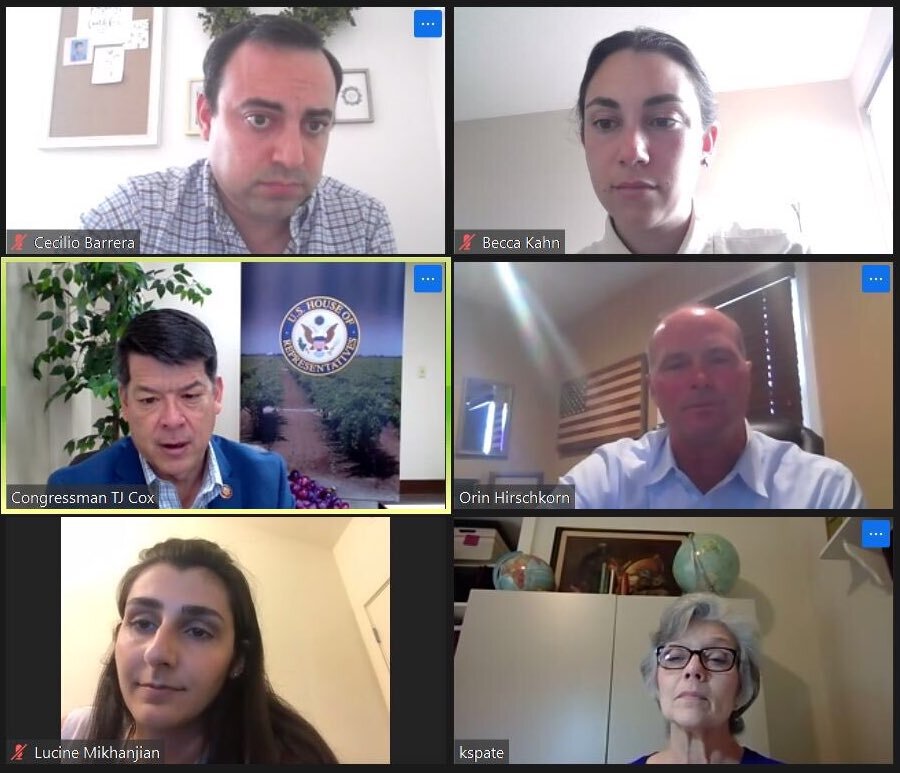
Imagine making a video call, sharing your screen, or sending a file to a friend, all without leaving your web browser. No extra software to download, no plugins to install. This is the magic of WebRTC, which stands for Web Real-Time Communication.
WebRTC is an open-source project that gives browsers the ability to share audio, video, and data directly with each other. Think of it as a built-in phone and video conferencing tool for the web. Before WebRTC, this kind of communication required proprietary plugins like Adobe Flash or standalone applications like Skype. WebRTC standardized these features, making them a native part of the modern web.
The Core Components
WebRTC might seem complex, but it's built on three main building blocks that work together to create a seamless connection. Understanding these is key to grasping how it all works.
First is getUserMedia. This is the gateway. It's an API that prompts the user for permission to access their camera and microphone. Without this consent, no media can be captured or shared. It’s the simple “Allow” or “Block” pop-up you see on websites that want to use your devices.
Next is RTCPeerConnection. This is the core of WebRTC. It does the heavy lifting of connecting two users, known as peers. It handles everything from securely establishing the connection to encoding and decoding the audio and video streams. It also constantly monitors the network and adapts to changing conditions to keep the call quality as high as possible.
Finally, there's RTCDataChannel. While RTCPeerConnection is for audio and video, RTCDataChannel is for everything else. It creates a channel for sending arbitrary data directly between peers. This is incredibly powerful and is used for features like in-call text chat, file sharing, or sending game state data in browser-based multiplayer games.
For streaming, real-time messaging protocol (RTMP) or WebRTC work best as primary protocols.
Why It Matters
WebRTC was first released by Google in 2011. The goal was to create a high-quality, real-time communication platform that was open, standard, and available in all browsers without plugins. By making this technology a web standard, developers could build rich communication experiences that work for everyone, everywhere.
This has had a massive impact. It powers video conferencing services, online customer support chats, telehealth platforms, and even peer-to-peer file sharing systems. By removing the technical barriers, WebRTC has made real-time communication a fundamental part of the web experience.
Ready to check your understanding of these concepts?
What is the primary purpose of WebRTC (Web Real-Time Communication)?
Which WebRTC API is responsible for requesting permission from the user to access their camera and microphone?
That's a quick look at what WebRTC is and how it works. By providing a standard, plugin-free way to communicate in real-time, it has fundamentally changed what's possible in a web browser.