Web3 Career Development
Protocol vs Startup
Protocol or Startup: Finding Your Fit in Web3
For a community professional entering Web3, the landscape presents a fundamental choice: do you join a massive, established protocol or a nimble, early-stage startup? This isn't just a question of company size. It's a decision that shapes your role, your impact, and the trajectory of your career. One path offers stability and scale; the other offers autonomy and rapid growth. Understanding the differences is key to aligning your skills with the right opportunity.
The Spectrum of Maturity
In Web3, organizational maturity isn't just about age or funding. It’s a spectrum defined by decentralization, process, and community size. Think of it as the difference between a frontier town and a bustling metropolis. An early-stage startup is the frontier town: small, agile, with loosely defined rules and roles. Everyone knows everyone, and survival depends on being a generalist who can build a shelter, find water, and negotiate with newcomers all in the same day.
At a seed-stage project, your title might be "Community Manager," but your reality is Head of Everything. You'll manage Discord and Telegram, but you'll also write documentation, gather product feedback that directly influences the roadmap, create marketing content, and represent the project at events. Decision-making is fast and often centralized with the founders. The work-life balance can be demanding, but your direct impact on the project's success is immense. Every small win feels significant because you're building from zero.
The fundamental activity of a startup is to turn ideas into products, measure how customers respond, and then learn whether to pivot or persevere.
Life at an Established Protocol
An established metropolis like Ethereum or Solana operates differently. The infrastructure is built, the laws (governance) are mostly set, and the population is massive. Here, your role as a community professional becomes highly specialized. You're no longer a generalist but an expert in a specific domain. You might be a Developer Relations Manager focused on attracting builders, a Grants Program Manager funding ecosystem projects, or a Community Moderator for a specific regional language group.
Decision-making is slower and more distributed. It’s often led by a foundation or through formal involving token holders. Your work contributes to the incremental growth and health of a vast ecosystem rather than the day-to-day survival of a single product. The risk is lower, and the work-life balance is often more predictable. The trade-off is that your individual influence can feel more diffuse. You are an important piece of a very large machine.
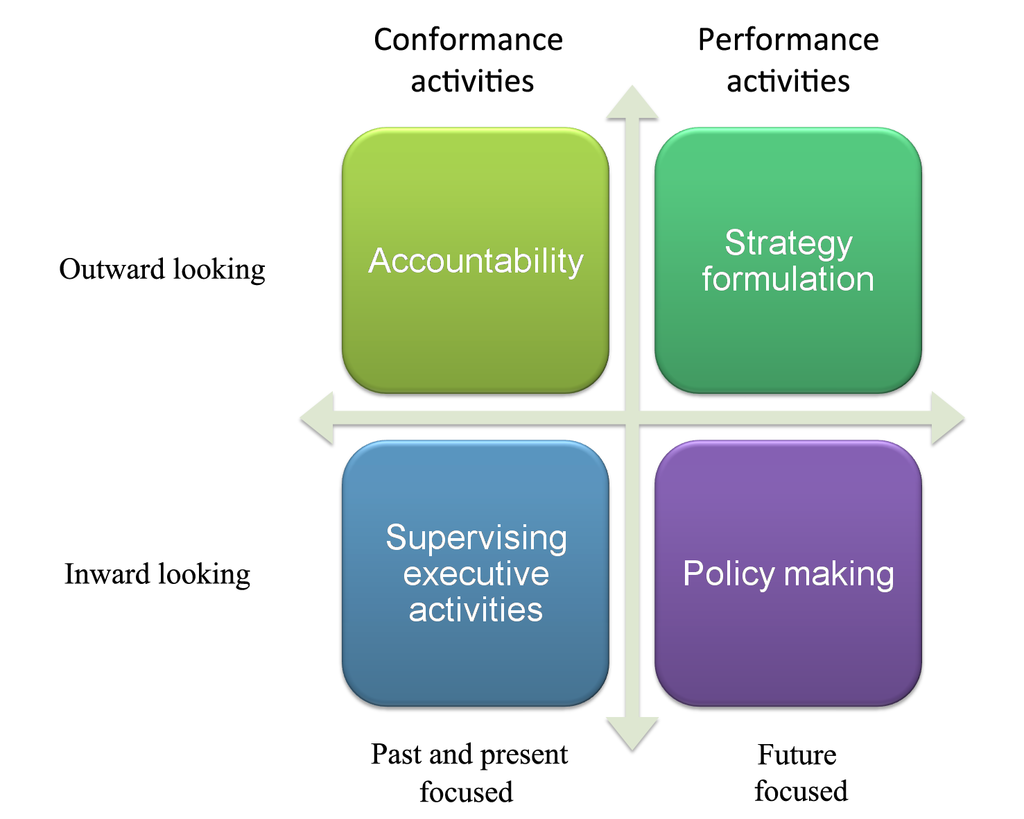
Your primary function shifts from pure community engagement to strategic ecosystem growth. Instead of just nurturing a user base for one application, you’re nurturing the entire environment, ensuring developers, users, and investors have the resources they need to thrive within the protocol’s orbit.
Aligning Your Skills
So, which path is right for you? It depends on your career goals and risk tolerance.
Choose a startup if:
- You thrive in chaos and enjoy building things from the ground up.
- You want to wear multiple hats and learn a wide range of skills quickly.
- You are comfortable with high risk for a potentially high reward (in terms of both financial upside and career growth).
- You prefer a fast-paced environment where you have a direct line to the founders.
Choose an established protocol if:
- You prefer structure, stability, and a more defined role.
- You want to specialize and become a deep expert in a specific area of community or ecosystem management.
- You are motivated by contributing to the long-term health of a large, impactful network.
- You value a better work-life balance and lower personal risk.
Ultimately, there is no wrong answer. Both paths offer valuable experience. Many professionals start at a scrappy startup to learn the ropes and then transition to a larger protocol once they've found their niche. Others prefer the thrill of the early stage and move from one new project to the next. By understanding the trade-offs, you can make an intentional choice that sets you up for success in the dynamic world of Web3.
In the context of Web3 organizations, what does the "frontier town" versus "bustling metropolis" analogy primarily represent?
At a seed-stage Web3 project, a community professional's role is best described as a generalist.