Web Optimization Essentials
Introduction to Web Optimization
Making Your Website Better
Web optimization is the process of improving a website to provide a better experience for visitors. Think of it like running a physical store. You'd want the aisles to be clear, the products easy to find, and the checkout line to move quickly. A well-optimized website works the same way: it's fast, easy to navigate, and gives people what they're looking for without any friction.
The goal is twofold. First, you want to make visitors happy so they stay longer, come back again, and are more likely to take an action, like buying something or signing up for a newsletter. Second, you want to make it easy for search engines like Google to understand your site's content. When search engines can easily crawl and index your pages, they're more likely to show them to people in search results.
Optimization isn't a one-time fix. It's an ongoing process of making small improvements that add up to a big difference in performance and user satisfaction.
The Need for Speed
One of the most critical parts of web optimization is speed. In our fast-paced digital world, patience is in short supply. If a webpage takes too long to load, most people won't wait around. They'll simply click the back button and go to a competitor's site. This is often called a "bounce."
A slow website creates a poor user experience. It feels frustrating and unprofessional. Even a delay of a couple of seconds can have a huge impact on whether a user stays or leaves. Faster websites, on the other hand, feel more efficient and reliable, which keeps users engaged.
Fast-loading websites not only improve user experience but also play a significant role in SEO rankings.
Search engines notice this, too. They know that users prefer fast sites, so they tend to rank them higher in search results. Improving your site's performance is a direct way to improve both user happiness and your visibility.
Helping Search Engines Find You
This brings us to Search Engine Optimization, or SEO. It's the practice of making your website more attractive to search engines. The goal of SEO is to increase your site's visibility when people search for terms related to your business or content.
Think of the internet as a massive library. A search engine is like a librarian that helps people find the exact book they need. SEO is how you make sure your "book" (your website) is clearly labeled, easy to find, and recommended by the librarian.
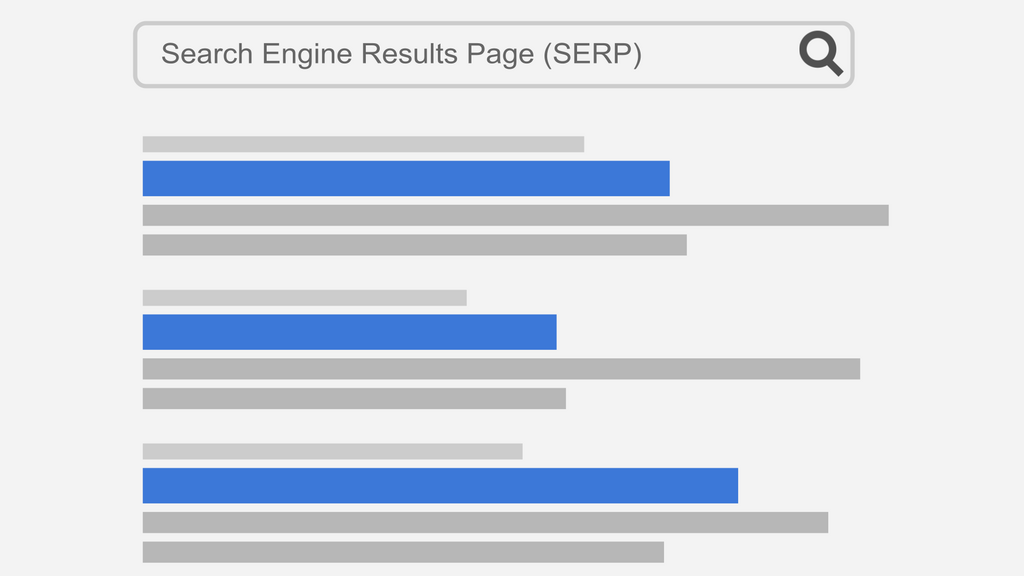
Basic SEO involves ensuring your website is well-structured, contains relevant keywords that your audience is searching for, and provides a good overall user experience. This isn't about tricking search engines. It's about creating a high-quality, user-friendly site that genuinely deserves to rank well.
By focusing on performance and user experience, you’re already taking big steps in the right direction for SEO. A fast, easy-to-use site is the foundation of any good optimization strategy.
Time for a quick check-in on these core ideas.
What are the two main goals of web optimization?
If a visitor leaves a website after viewing only one page because it loaded too slowly, this action is commonly called a...
Web optimization is a fundamental skill for anyone creating content for the web, ensuring that your work reaches its intended audience and provides them with a great experience.