Web Development Fundamentals
Introduction to Web Development
The Two Sides of a Website
Every website or web application you use, from a simple blog to a complex social network, is a product of web development. At its core, web development is the work involved in building and maintaining websites. It's the craft of making sure a site looks good, works fast, and delivers a seamless experience to the user.
Think of a website like a restaurant. When you walk in, you see the dining area: the tables, the decor, the menu. This is the part you interact with directly. But behind the kitchen doors, there's a whole other operation: chefs cooking, dishes being washed, and ingredients being stored. You don't see the kitchen, but it's essential for your meal to arrive at your table.
Websites work in a similar way. They are split into two main parts: the front-end and the back-end. One is what you see and interact with, and the other is the hidden machinery that makes it all work.
The Front-End: What You See
The front-end, also known as the client-side, is everything you see and interact with in your browser. It’s the layout of the page, the colors, the fonts, the buttons you click, and the forms you fill out. When you admire the design of a website or easily navigate its menus, you're appreciating the work of a front-end developer.
Front-end developers are responsible for the user experience. They take a design and bring it to life, ensuring it's functional, accessible, and looks great on all devices, from a large desktop monitor to a small smartphone screen. They build the visual part of the website that the user sees and experiences directly.
The front-end is the presentation layer. It's built using technologies like HTML for structure, CSS for styling, and JavaScript for interactivity.
The Back-End: The Engine Room
The back-end, or server-side, is the part of the website you don't see. It's the digital kitchen. The back-end consists of three main parts: a server, an application, and a database.
- Server: The computer that receives requests from your browser.
- Application: The software running on the server that processes your requests, performs logic, and fetches data.
- Database: Where all the data is stored, like user profiles, blog posts, or product information.
Back-end developers are the engineers who build and maintain this machinery. They write the code that communicates with the database and sends the correct information back to the front-end. When you log into a website, post a comment, or save an item to your shopping cart, the back-end is doing the work.
How They Work Together
The front-end and back-end are in constant communication. The front-end is the bridge between the user and the back-end.
Let's go back to our restaurant. You (the user) give your order to the waiter. The waiter (the front-end) doesn't cook the food; they write down the order and take it to the kitchen (the back-end). The kitchen prepares your meal and gives it back to the waiter, who then delivers it to your table.
In web development, this communication happens through requests. When you click a "Login" button on a website's front-end, your browser sends a request containing your username and password to the back-end server. The back-end application checks your credentials against the database. If they match, it sends a response back to the front-end, telling it to load your profile page. This all happens in a fraction of a second.
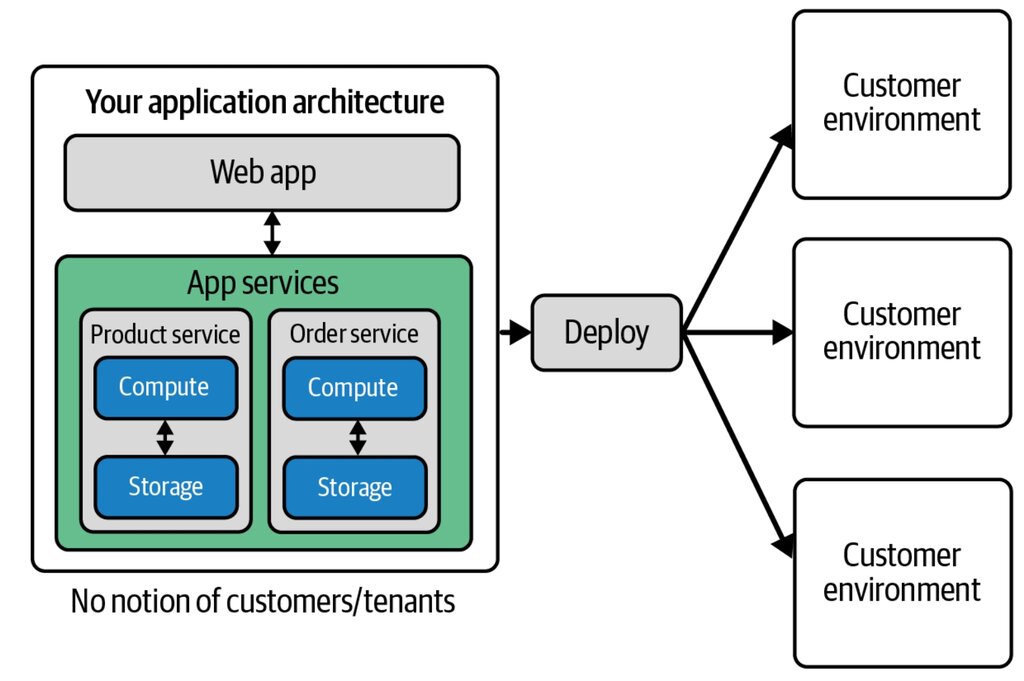
A full-stack developer is someone who is comfortable working on both sides—they can build the user interface and also manage the server and database. They're like a restaurant owner who can both greet guests and cook in the kitchen.
Understanding this fundamental split between what the user sees and the hidden systems that power it is the first step in learning web development.
Ready to check your understanding?
In the context of web development, what is the 'front-end' responsible for?
When you log into a website, your browser sends your credentials to the server. Which part of the website is responsible for verifying them against a database?
Now you know the fundamental structure of a website. Every site has a front-end for presentation and a back-end for logic and data, working together to create the experiences we use every day.