Web Design Fundamentals
Introduction to Web Design
What is Web Design?
Web design is the art and science of creating websites. It's more than just making a page look good. It involves planning the structure, arranging the content, and choosing the right colors, fonts, and images. The ultimate goal is to create an online space that is both easy to use and enjoyable for visitors.
A well-designed website guides users effortlessly to the information they need. It communicates a message clearly and builds trust. Think of your favorite website. Chances are, it's simple to navigate, visually appealing, and works smoothly. That's the power of effective web design.

A truly effective website blends aesthetics with user experience (UX), responsiveness, speed, and strategic design.
To achieve this blend, designers focus on two critical areas: User Interface (UI) and User Experience (UX). While they sound similar and are closely related, they handle different aspects of the design process.
The Look and Feel: UI Design
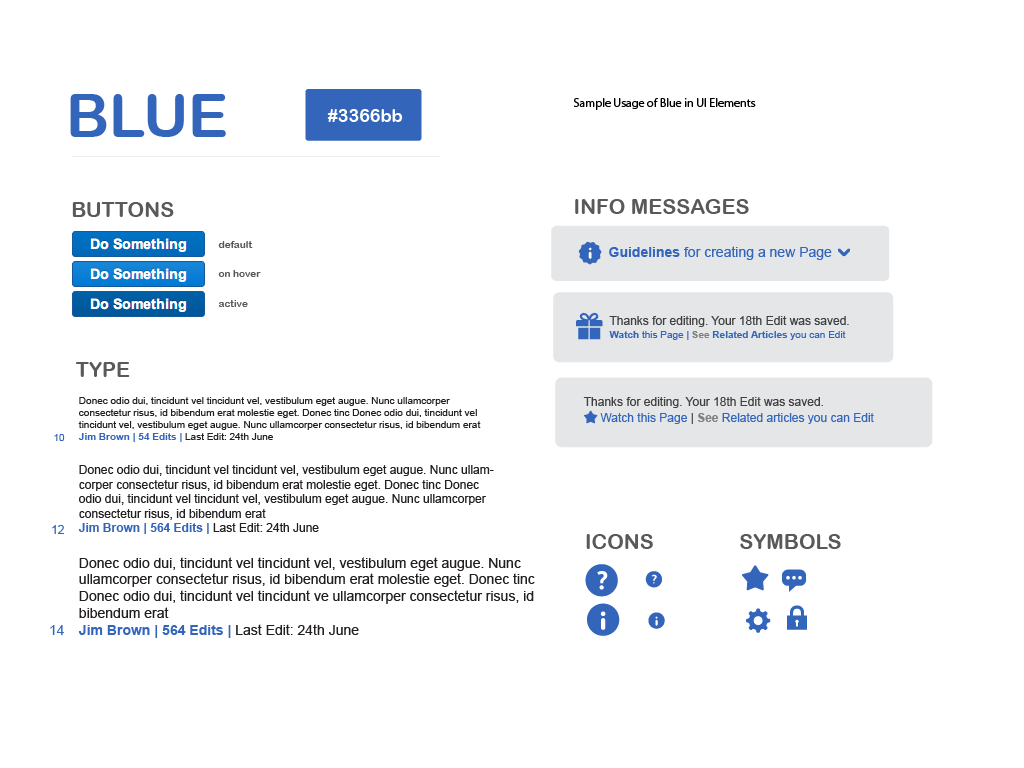
User Interface (UI) design is all about the visual elements of a website. It's everything you see and interact with: the buttons you click, the text you read, the images, sliders, and entry fields. UI design focuses on the look, feel, and interactivity of the product.
The goal of a UI designer is to create an interface that is both beautiful and intuitive. They choose color palettes and typography that are easy on the eyes and consistent with the brand. They ensure that every visual element works together to create a cohesive and predictable experience. A great UI is one you barely notice because it makes using the website feel natural.
The Overall Journey: UX Design
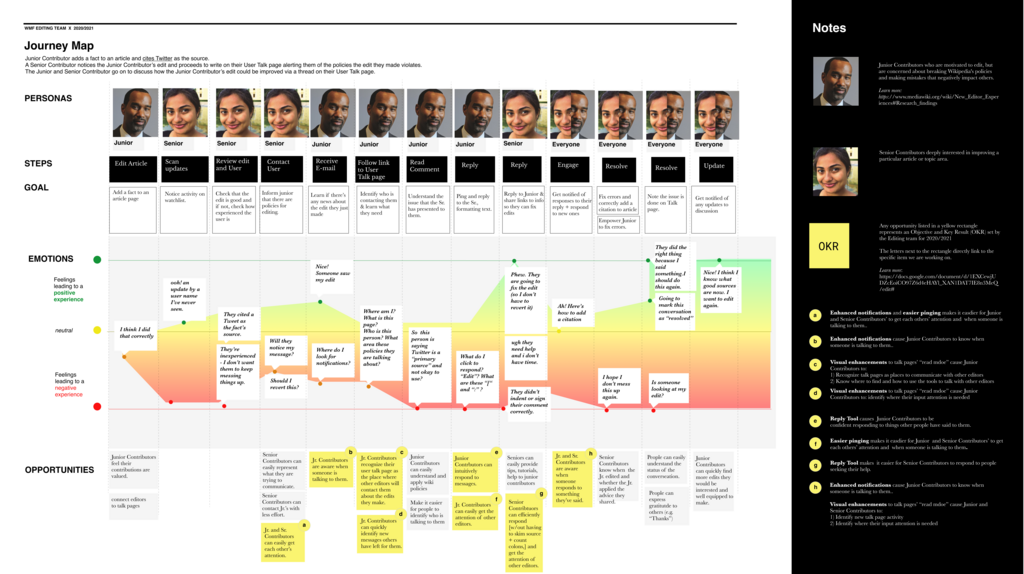
User Experience (UX) design is broader than UI. It considers the user's entire journey with the website. UX is about how the experience feels. Is the site easy to navigate? Does it solve the user's problem without frustration? Is the experience satisfying?
A UX designer is like an architect for a user's journey. They research who the users are and what they need. They map out the logical flow of the site, from the first click to the last. Their work ensures that the website is not just usable, but also useful and accessible to everyone.
How UI and UX Work Together
UI and UX are two sides of the same coin. You can't have one without the other. A website might look stunning (good UI), but if it's confusing to use (bad UX), people will leave. Conversely, a site might be perfectly logical (good UX), but if it looks dated and ugly (bad UI), it won't inspire trust or engagement.
Imagine building a house. UX is the blueprint: the foundation, the number of rooms, and how they connect to create a livable space. UI is the interior design: the paint colors, furniture, and lighting that make the house feel like a home. Both are essential to create a final product that is both functional and delightful to be in.
UI is the saddle, the stirrups, and the reins. UX is the feeling you get being able to ride the horse.
Successful web design happens when UI and UX designers collaborate closely. Their combined skills ensure that the final website not only looks great but also provides a seamless and satisfying experience for every user.
What is the primary goal of web design?
If building a website is like building a house, what does User Interface (UI) design represent?