Web Design for Engagement and Dynamism
User-Centered Design
Start With the User
When building a website, it's easy to get lost in colors, fonts, and features. But the most successful websites start with a simple question: Who is this for, and what do they need? This is the core of User-Centered Design (UCD), a philosophy that places the user at the heart of every decision.
User-centered design (UCD) is a modern, widely practiced design philosophy rooted in the idea that users must take center-stage in the design of any computer system.
Instead of building something and hoping people will like it, UCD flips the script. It involves understanding the user's goals, behaviors, and pain points before you start designing. The goal is to create a product that feels intuitive, easy to use, and genuinely helpful. This approach not only leads to happier users but also helps achieve business goals more effectively. When a website is easy to use, people are more likely to stay, engage, and come back.
Understand Your Audience
You can't design for users without knowing who they are. That's where user research comes in. It's the process of gathering insights about your target audience through observation and analysis. The goal is to replace assumptions with real data about user needs.
There are many ways to conduct user research, but most fall into a few categories:
- Interviews: One-on-one conversations are a great way to dig deep into a user's thoughts, feelings, and motivations.
- Surveys: Questionnaires can collect quantitative and qualitative data from a large group of people quickly.
- Observation: Watching people use a similar product or perform a task can reveal pain points they might not even be aware of.
Good research helps you understand not just what users do, but why they do it. These insights are the foundation for everything that follows.

Create User Personas
After conducting research, you'll have a lot of data. User personas help synthesize this information into a clear, memorable format. A persona is a fictional character created to represent a key user type that might use your site. It’s not a real person, but it’s based on the data and behaviors of many real people.
Personas make it easier for a design team to empathize with users. Instead of talking about abstract data, the team can ask, "What would Maria think of this feature?" or "Would this navigation confuse Ben?"
A good persona typically includes a name, a photo, a short bio, goals, and frustrations related to the product you're designing. By grounding your design decisions in these personas, you ensure you're building for real people, not just for yourself.
Test Your Designs
Once you have a design or a prototype based on your user research and personas, it's time to test it. Usability testing involves watching real users interact with your product and noting where they succeed and where they struggle. It's one of the most powerful ways to find and fix problems before you launch.
The process is simple: you give a participant a set of tasks to complete (e.g., "Find the contact information," or "Add an item to your cart") and observe them. You encourage them to think aloud, sharing what they're seeing, thinking, and feeling as they go. You don't need a fancy lab; you can get valuable feedback by testing with just a handful of people.
The insights from these tests are invaluable. They show you the difference between how you think your design works and how it actually works for a real person.
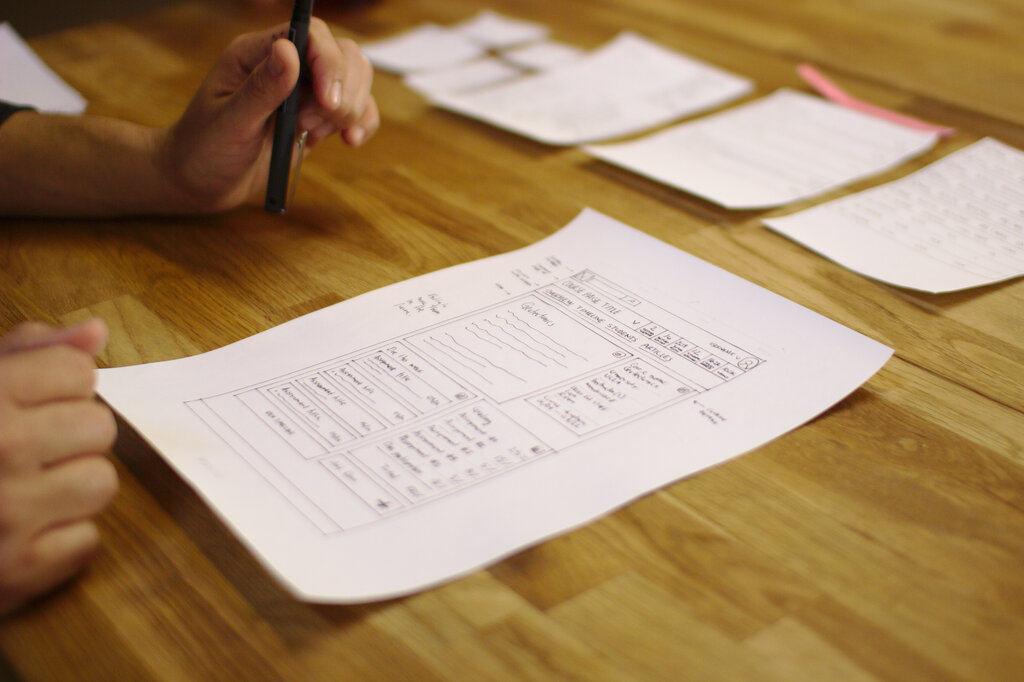
Testing is not a one-time event. User-centered design is an iterative process. You research, design, test, and then refine your design based on the feedback you receive. Each cycle brings the product closer to meeting the user's needs.
What is the primary principle of User-Centered Design (UCD)?
A design team wants to understand the deep-seated motivations and frustrations of their potential users. Which user research method would be most effective for this goal?
By following these principles—understanding your audience, creating personas, and testing your designs—you can create websites and applications that are not just functional, but also engaging and satisfying to use.