Wealth Management Strategy from China to Vietnam
China PWM Evolution
A Market Reset
Before 2018, Mainland China's wealth management landscape operated on a unique principle: the implicit guarantee. Wealth Management Products (WMPs), often distributed by banks, offered high, fixed yields with the unspoken promise that the institution would cover any losses. This model fueled explosive growth, but it also fostered a massive and opaque shadow banking system.
These products typically funded long-term, illiquid assets like infrastructure and property developments by selling short-term WMPs to retail investors. The result was a classic maturity mismatch. To pay off maturing products, issuers simply sold new ones, creating a cycle dependent on continuous capital inflow. Risk was not priced into the products; it was hidden on the balance sheets of financial institutions, creating significant systemic risk for the entire economy.
The 2018 Turning Point
The turning point came in April 2018 with the release of the “Guiding Opinions on Regulating the Asset Management Business of Financial Institutions,” commonly known as the New Asset Management Rules. This sweeping regulation was designed to dismantle the old model and force a fundamental professionalization of the industry. The core tenets were clear and transformative.
First, the rules explicitly outlawed “rigid payments” (刚性兑付), officially breaking the implicit guarantee. Institutions could no longer promise principal or interest payments. Second, all new WMPs had to be net asset value (NAV)-based, meaning their prices would fluctuate with the market value of their underlying assets. This introduced volatility and transparency simultaneously.
Finally, the rules cracked down on maturity and duration mismatches, forcing issuers to align the lifecycle of their assets and liabilities. This single piece of legislation effectively shifted risk from the institution to the end investor, forcing a nationwide education on the relationship between risk and return. The era of easy, guaranteed yields was over; the age of true asset management had begun.
Rise of New Titans
The regulatory overhaul triggered a massive structural shift. The most significant development was the mandate for commercial banks to spin off their wealth management operations into separate, fully-licensed subsidiaries. This led to the creation of powerful new entities by the state-owned giants often called the Big Four—ICBC Wealth Management, CCB Wealth Management, ABC Wealth Management, and BOC Wealth Management.
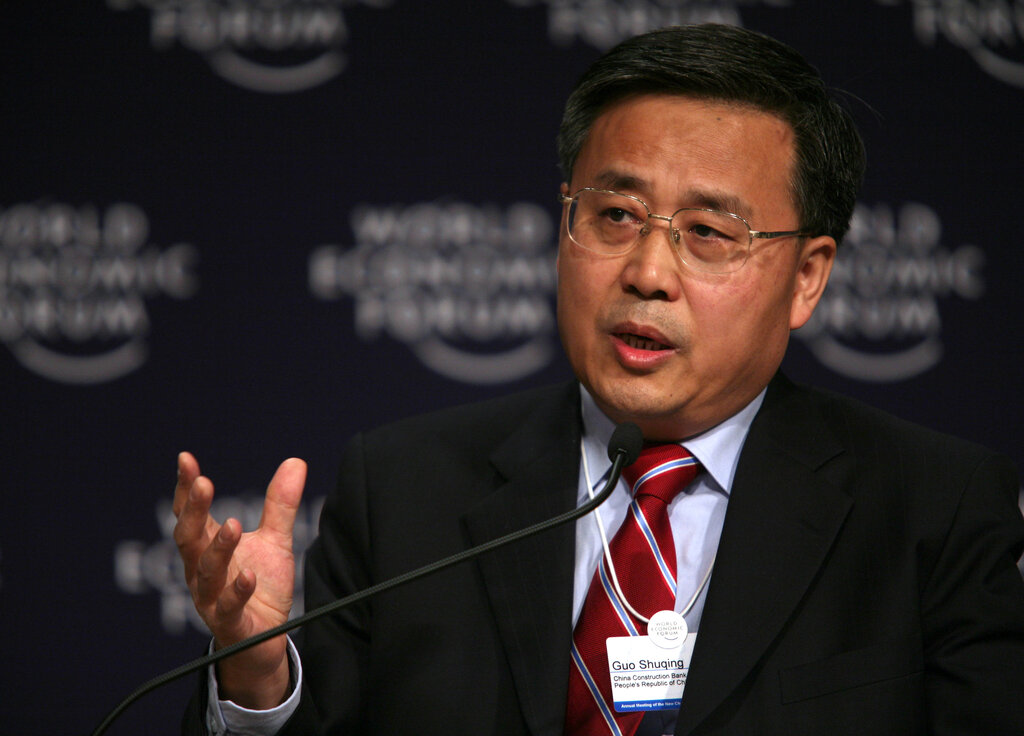
These new bank-owned firms inherited immense competitive advantages: vast distribution networks, deep client trust, and enormous scale. Unshackled from the parent bank's balance sheet, they began building sophisticated investment capabilities, moving from single-asset products to diversified, multi-asset solutions. Concurrently, trust companies, once key players in the shadow banking ecosystem, were forced to pivot. They began to de-emphasize their riskier, non-standard credit assets and focus on their fiduciary roles, offering more regulated and standardized products like family trusts.
Alongside these institutional giants, independent third-party wealth managers like Noah Holdings and Hywin Holdings carved out a critical niche. Catering primarily to high-net-worth individuals (HNWIs), they offered an open-architecture platform, providing access to a wider range of products from different asset managers, including global and alternative investments. Their value proposition shifted from product distribution to providing holistic, goals-based financial advice—a model much closer to Western PWM.
Shifting Demographics
This industry evolution is occurring alongside a demographic shift in China's wealthy population. While Tier 1 cities like Beijing, Shanghai, and Shenzhen remain the core centers of private wealth, a significant portion of new wealth creation is now happening in Tier 2 and Tier 3 cities. The HNWIs in these regions often have different risk appetites and investment needs, typically linked to the growth of their own businesses.
This geographical diffusion of wealth presents both a challenge and an opportunity for wealth managers. It requires building out physical or digital service models to reach a more dispersed client base and tailoring advisory services to a new generation of entrepreneurs who may require more integrated corporate and private wealth solutions. The market is no longer monolithic; it's a complex and segmented landscape demanding specialized expertise.
What was the fundamental principle underpinning China's wealth management market before the 2018 reforms?
The 2018 'New Asset Management Rules' were primarily designed to achieve what outcome?
The transformation of China's PWM industry from a state-guaranteed, product-driven market to a transparent, advisory-led model is one of the most significant shifts in global finance. Driven by regulation, it has created a more resilient, professional, and sophisticated market.