Waves of US Feminism
Post Suffrage Transitions
After the Vote Was Won
The ratification of the 19th Amendment in 1920 was a monumental victory, but it wasn't an endpoint. The coalition of women who fought for the vote had a single, unifying goal. Once that goal was achieved, the question became: what's next? The movement didn't go dormant, as some histories suggest. Instead, it fractured.
This wasn't a failure. It was an evolution. The fight for suffrage hadpapered over deep disagreements about what true equality for women looked like. With the ballot secured, these differing philosophies came to the forefront, setting the stage for decades of debate. The central conflict was no longer about whether women should have a voice, but how that voice should be used.
A Fork in the Road
Two major philosophies emerged from the former suffrage movement, creating a deep ideological split. On one side was the National Woman's Party (NWP), led by the tireless Alice Paul. The NWP argued that the next logical step was to erase every remaining legal distinction between men and women. Their goal was absolute, formal equality under the law.
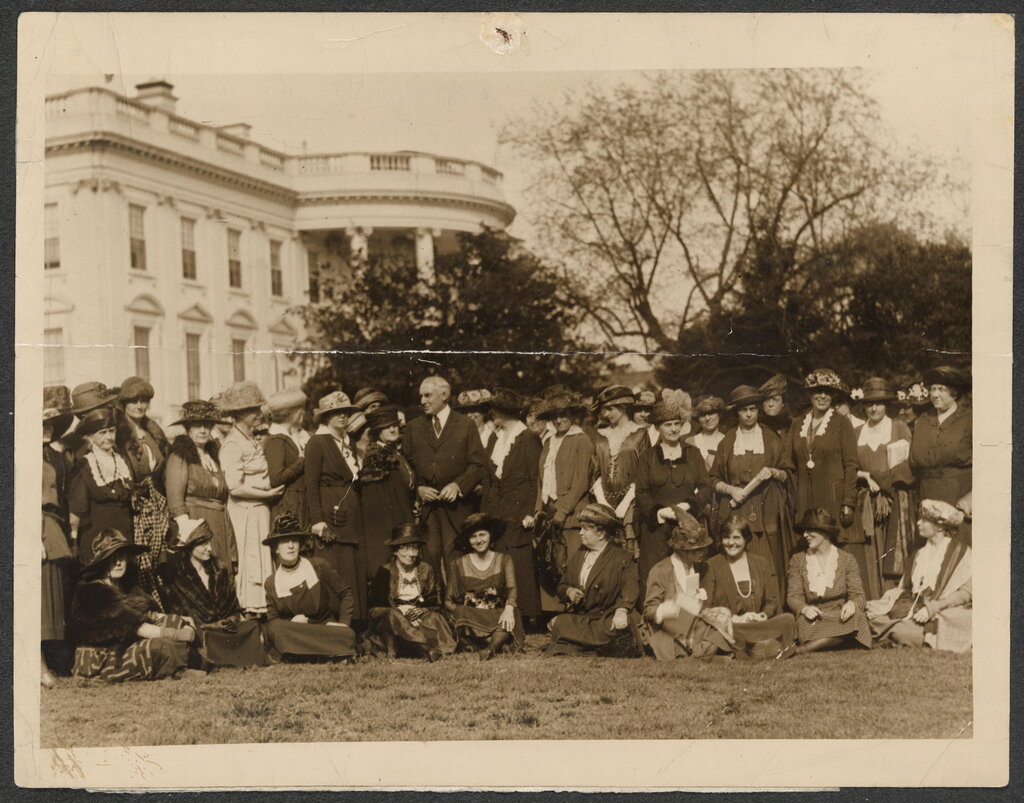
To achieve this, Alice Paul drafted the (ERA) and had it introduced in Congress in 1923. Its language was simple and sweeping: “Men and women shall have equal rights throughout the United States and every place subject to its jurisdiction.” The NWP believed that any law that treated women differently, even if designed to protect them, ultimately reinforced the idea of women as a weaker, separate class.
Opposing the ERA were groups of 'Social Feminists,' including organizations like the League of Women Voters and the Women's Trade Union League. They believed that formal equality was a dangerous illusion. Women, they argued, had different physical realities and social burdens, particularly regarding childbirth and family care. They feared the ERA would dismantle a whole category of hard-won laws known as protective labor legislation —rules that set minimum wages, established shorter workdays, and blocked women from hazardous jobs. For these activists, true equality meant acknowledging differences and providing protections, not pretending they didn't exist.
The core of the debate was: Should the law be gender-blind (formal equality), or should it be gender-conscious to account for social and biological realities (substantive equality)?
Beyond the Mainstream
The focus on legal status and labor laws, while important, often overlooked the struggles of women who were marginalized by both race and class. The mainstream feminist debate largely centered on the experiences of white, middle-class women. For many women of color and immigrant laborers, the right to vote did little to change their immediate, precarious economic conditions.
A powerful example comes from the Filipino-American community. Beginning in the 1920s, thousands of young Filipino men, known as 'Manongs', immigrated to the U.S. to work in agriculture, particularly on the West Coast. They faced intense discrimination, low wages, and brutal working conditions. Their activism was born from economic necessity.
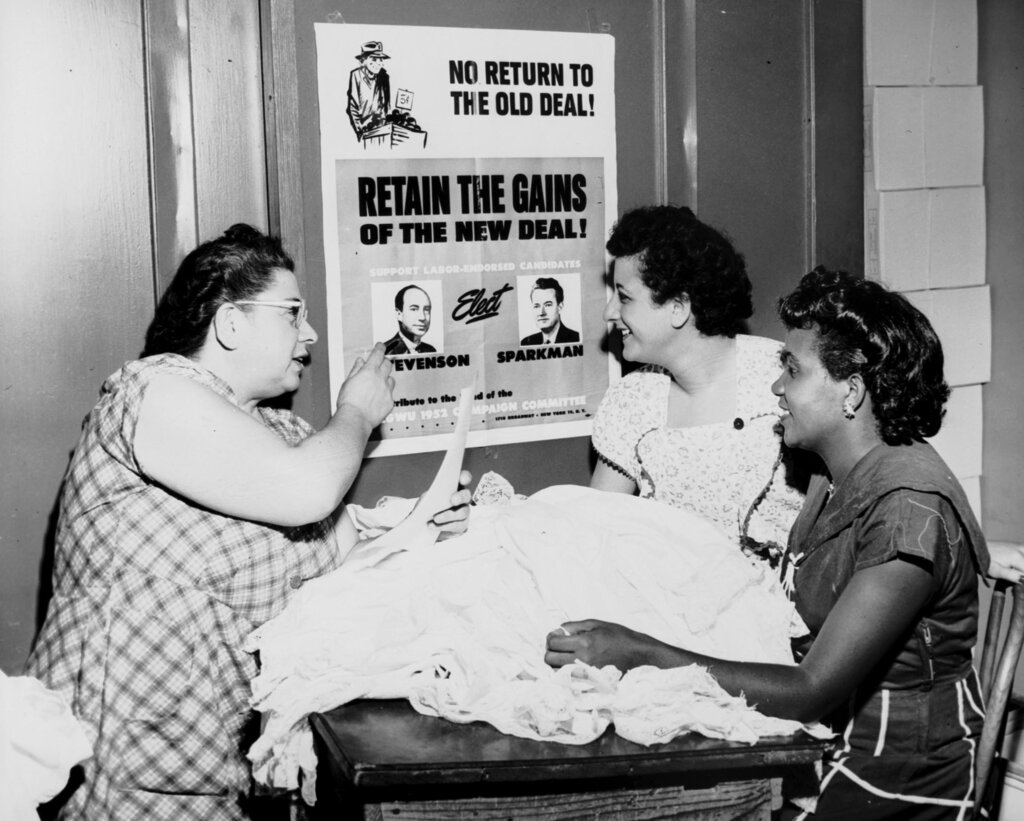
Leaders like Larry Itliong organized strikes and formed unions to demand better pay and humane treatment. While the mainstream women's movement was debating the abstract nature of legal equality, activists in these communities were fighting for survival. Their struggles highlight that the story of rights and equality in America has never been a single, unified narrative. The gains of one group did not always translate to another, revealing the complex intersection of gender, race, and class that would come to define later waves of feminism.
Let's test your understanding of the period after suffrage.
After the 19th Amendment granted women the right to vote, the unified women's movement split. What was the central disagreement that caused this fracture?
What was the primary goal of the Equal Rights Amendment (ERA) as drafted by Alice Paul?