Waves of Protestant Reformation
Consolidating Lutheranism
From Protest to Power
Martin Luther’s challenge to the Catholic Church at the Diet of Worms in 1521 should have been the end of his story. The Emperor declared him an outlaw, making it a crime for anyone in the Holy Roman Empire to offer him food or shelter. His writings were banned. For all intents and purposes, the movement could have been extinguished before it truly began.
But it wasn't. Luther disappeared on his way home from Worms, seemingly kidnapped. In reality, he was taken into protective custody by Frederick the Wise, the Elector of Saxony. Hidden away in Wartburg Castle, Luther began his monumental work of translating the New Testament into German. This act of protection by a powerful prince was a crucial turning point. It signaled that the Reformation was no longer just a theological dispute; it had become a political struggle for power and autonomy within the Empire.
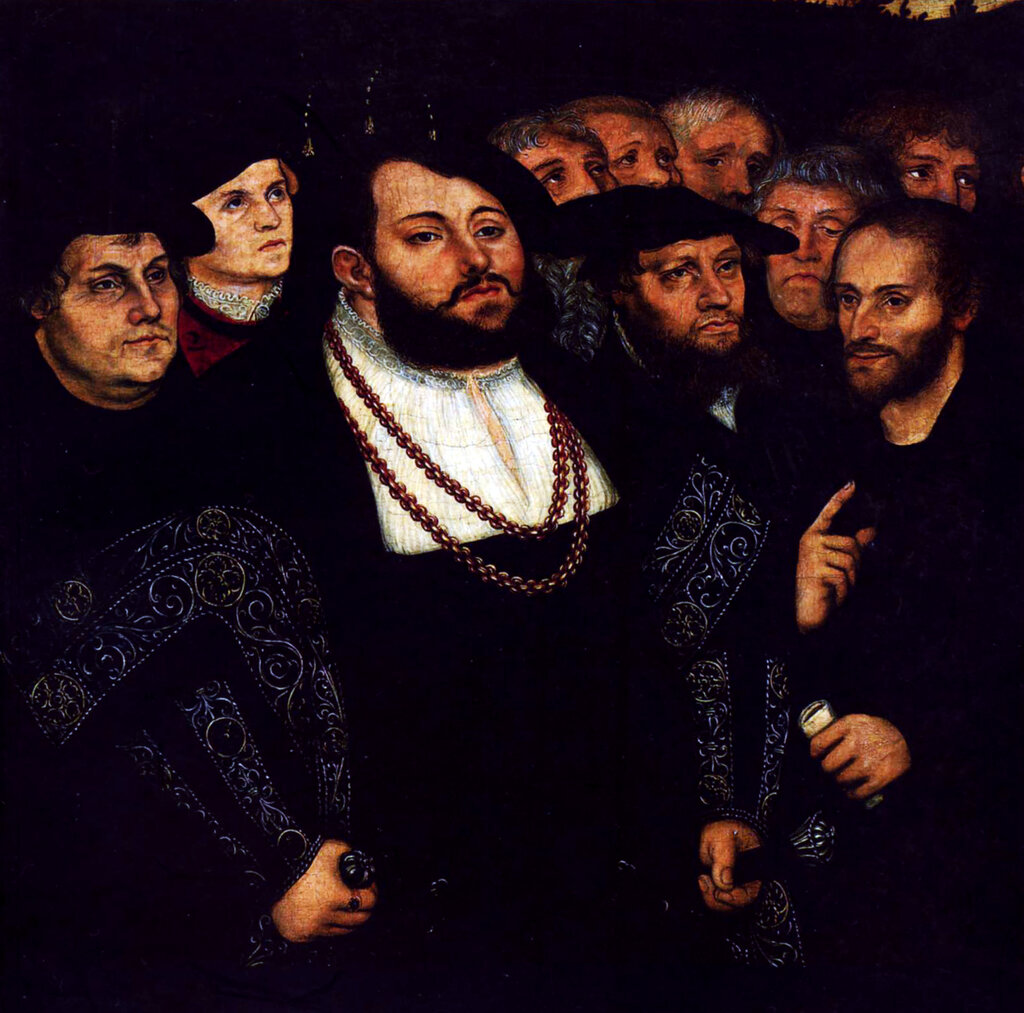
As Lutheran ideas spread, the Holy Roman Empire’s religious unity fractured. The Emperor, Charles V, was often distracted by wars with France and the Ottoman Empire, leaving the German princes to their own devices. At the First Diet of Speyer in 1526, it was decided that each prince could enforce the Edict of Worms as he saw fit. This effectively gave Lutheran-leaning rulers a free pass.
However, by 1529, the political tides had turned. At the Second Diet of Speyer, the Emperor's Catholic allies revoked the earlier tolerance and condemned Lutheranism. In response, a group of six princes and leaders of 14 Imperial Free Cities issued a formal appeal. This act of protest, or “Protestatio,” earned them and their followers the name that would define an entire branch of Christianity: Protestants.
Defining the Faith
Being a "Protestant" was one thing, but what did these reformers actually believe? The movement was splintering, with radical voices pushing for changes far beyond what Luther envisioned. The violent Peasants' War of 1524–1525, which Luther condemned, made many princes nervous. They needed stability and a clear, respectable theological platform.
The opportunity came in 1530. Emperor Charles V, seeking a united front against the Turks, called a meeting in Augsburg. He demanded the reformers present a definitive statement of their faith. The result was the Augsburg Confession, a document primarily authored by Luther's close associate, Philipp Melanchthon. It was a careful piece of work, aiming to be conciliatory to Catholics where possible while firmly stating core Lutheran doctrines like justification by faith. It also deliberately distanced the movement from more radical reformers. By presenting this unified creed, Lutheranism defined itself as an organized church, not just a rebellion.
The Augsburg Confession became the principal doctrinal standard for the Lutheran Church and one of the most important documents of the Protestant Reformation.
The Emperor rejected the Confession, and the threat of military action by Catholic forces became very real. In response, the Protestant princes took a decisive step. In 1531, they formed the , a defensive military alliance. This pact guaranteed that any attack on one member would be treated as an attack on all. The league created a political and military backbone for the Lutheran movement, ensuring its survival against the Emperor's power. It transformed a collection of individual territories into a unified bloc.
A Magisterial Reformation
The alliance between Luther and the German princes created what is known as a "Magisterial Reformation." This means the reforms were carried out in cooperation with secular rulers, or magistrates. Unlike more radical movements that sought to completely separate church from state or overthrow the social order, Lutheranism worked through the existing power structures.
For the princes, this was a golden opportunity. By adopting Lutheranism, they could seize church lands and wealth, assert independence from the Emperor and the Pope, and control religious life within their own territories. They established state churches, appointed pastors, and enforced religious uniformity. The church became an instrument of the state, and the state became the protector of the church. This symbiotic relationship ensured the stability and spread of Lutheranism across Germany, cementing its place not as a fringe movement, but as an established institution.
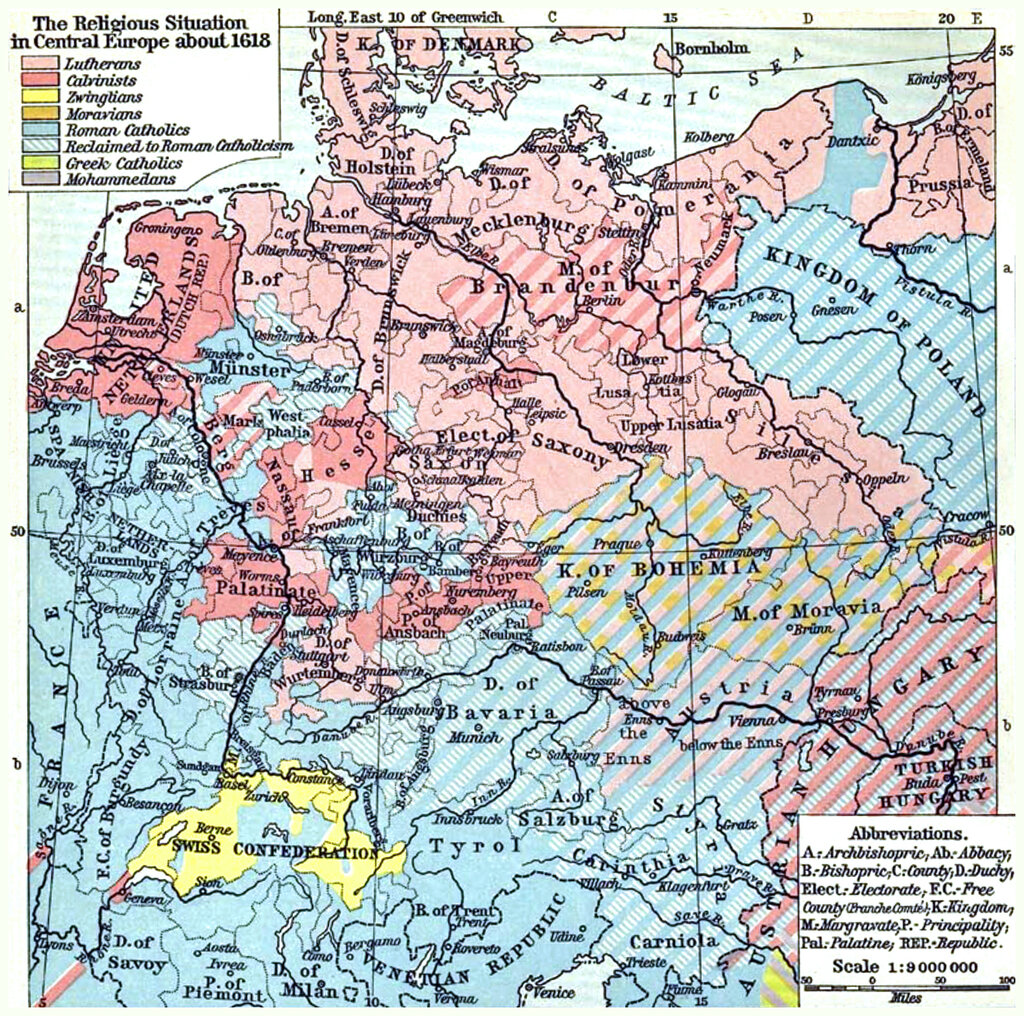
This close bond between church and state set a precedent that would shape Europe for centuries. The idea that a ruler had the right to determine the religion of their subjects, later encapsulated in the phrase cuius regio, eius religio ("whose realm, his religion"), was a direct outcome of this period. The protest that began in a university town had successfully transformed into a state-sanctioned church, permanently altering the political and religious map of Europe.
Time to see what you've learned. Test your knowledge on how Lutheranism grew from a protest into an established church.
What was the immediate consequence for Martin Luther after the Diet of Worms in 1521?
The term "Protestant" originated from a formal appeal, or "Protestatio," issued by a group of princes and cities at which event?
The consolidation of Lutheranism was a messy, political process. It shows how theological ideas, when combined with political ambition, can reshape the world.