Watercolor Wonders Animal Portraits
Watercolor Materials
Choosing Your Paints
Watercolor paints mainly come in two forms: pans and tubes. Pans are small, solid cakes of dry paint that you activate with a wet brush. They are perfect for traveling, quick studies, or working on smaller pieces. Most beginner sets come in this format.
Tube paints contain moist, concentrated pigment. You squeeze a small amount onto a palette and mix it with water. Tubes are great for creating large, vibrant washes of color and are more economical for artists who paint frequently. You don't need to choose one over the other forever, but a quality pan set is a fantastic starting point.
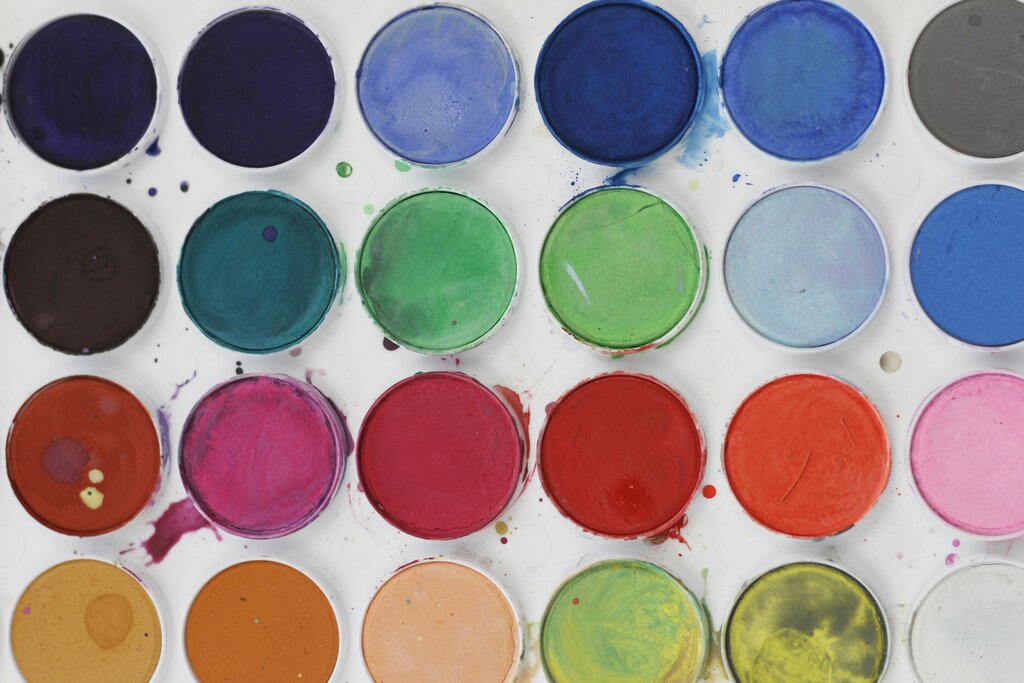
You'll also see paints labeled as "student grade" or "artist grade." Artist grade paints have a higher concentration of pigment, resulting in more vibrant, lasting colors. Student grade paints are less expensive and perfectly suitable for learning the fundamentals. A good student set will serve you well as you begin.
The Right Brushes
You don't need a huge collection of brushes to start. A few key shapes and sizes will cover most of your needs, especially for detailed work like animal portraits and characters.
A round brush is the most versatile. Its pointed tip is excellent for fine lines and details, while the body can hold a good amount of water for broader strokes. You'll want a few sizes, including a small one (like a size 2 or 4) for tiny details like eyes and fur textures, and a medium one (size 6 or 8) for general work.
Flat brushes are useful for creating wide, even washes of color, but for character art, you'll rely most heavily on your round brushes. Look for brushes with a good "snap"—meaning the bristles spring back to their original shape after a stroke.
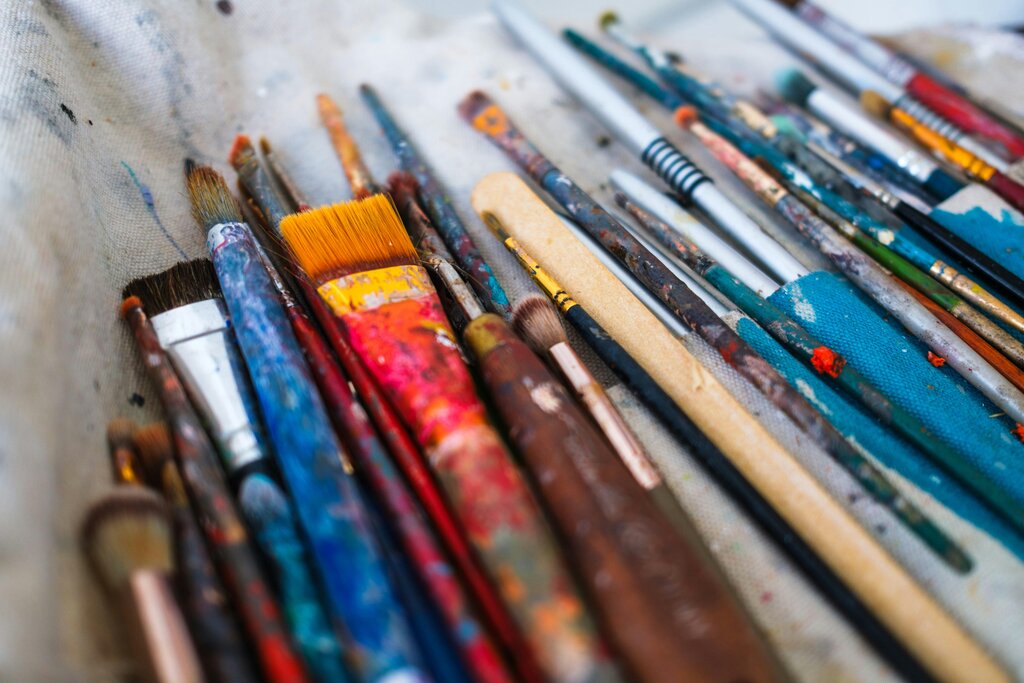
Brushes are made from either synthetic fibers or natural animal hair. Synthetic brushes are more affordable, durable, and easier to care for, making them a great choice for beginners. Natural hair brushes, like those made from sable, can hold more water but are much more expensive and require careful maintenance.
Paper Makes a Difference
Using paper designed specifically for watercolor is non-negotiable. Regular drawing or printer paper will buckle and warp as soon as it gets wet, ruining your work. Watercolor paper is thick and absorbent, designed to handle multiple layers of water and paint.
The most important factor is weight. Look for paper that is at least 140 lb (or 300 gsm). This thickness prevents the paper from buckling too much. You can buy it in individual sheets, pads, or blocks, which have glue on the edges to keep the paper flat as it dries.
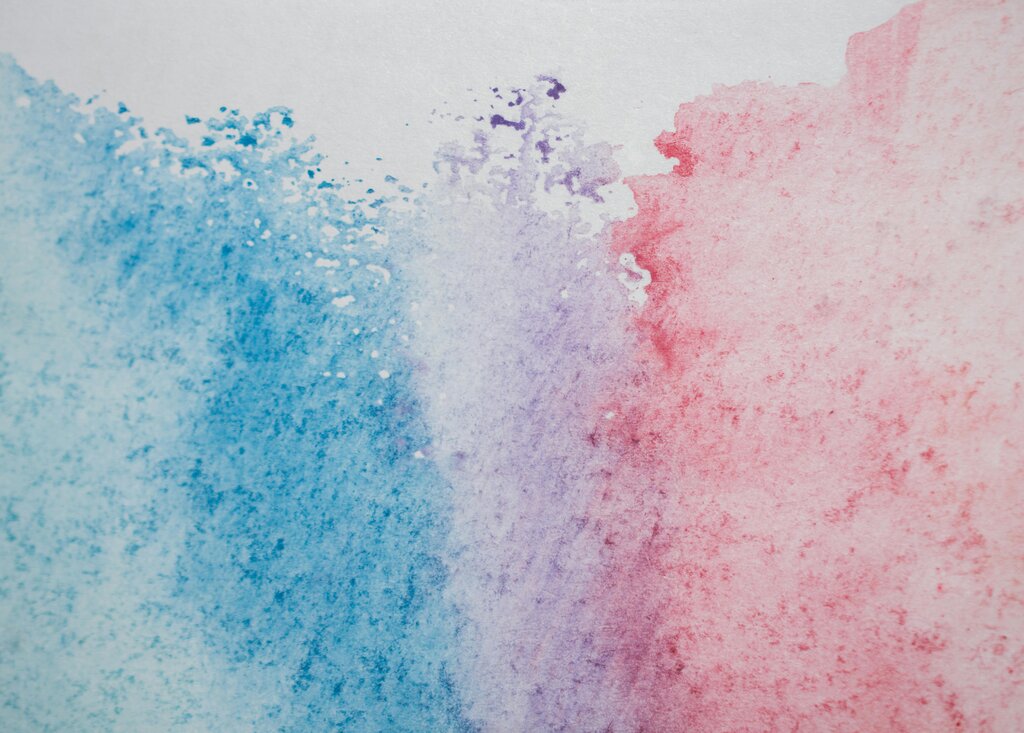
You'll also encounter different textures, or "presses." Cold press paper has a noticeable texture, which is very forgiving and great for most techniques. Hot press paper is smooth and ideal for very fine, detailed line work. For learning and general painting, cold press is the way to go.
Helpful Extras
Beyond the big three—paint, brushes, and paper—a few other tools will make your life easier.
A palette: You need a non-porous surface to mix your colors. This can be a simple ceramic plate or a dedicated plastic palette with wells.
Masking fluid: This is a liquid latex that you paint onto areas you want to keep perfectly white. Once it's dry, you can paint over it. After your paint dries, you gently rub off the masking fluid to reveal the crisp white paper underneath. It's fantastic for preserving highlights in eyes or whiskers on an animal.
A projector: If you're not confident in your drawing skills, a small art projector can be a huge help. It allows you to trace the outline of your subject directly onto your watercolor paper. This ensures your proportions are correct from the start, letting you focus on the painting itself.
Finally, don't forget the simple things: two jars of water (one for rinsing brushes, one for clean water to mix with paints), and paper towels for blotting excess water from your brush.
With the right paper, paints, and brushes, you have everything you need to start bringing your characters to life.
Ready to check your understanding? Let's review what we've covered.
What is the primary difference between watercolor pans and tubes?
For a beginner focusing on detailed work like animal portraits, which brush shape is considered the most versatile?
Gathering your tools is the first step. Now that you know what to look for, you can build a kit that sets you up for success.