Watercolor Painting Fundamentals
Materials and Setup
Choosing Your Tools
Getting started with watercolor doesn't require a lot of expensive equipment. A few thoughtful choices will give you everything you need to begin painting. The right tools make the process smoother and more enjoyable, letting you focus on your art.
Paints, Pans, and Tubes
Watercolor paints are made from pigment mixed with a binder, usually gum arabic. They come in two main forms: pans and tubes. Each has its own advantages.
Pigment
noun
A dry, powdered substance that, when mixed with a liquid, gives color to paint, ink, or other materials.
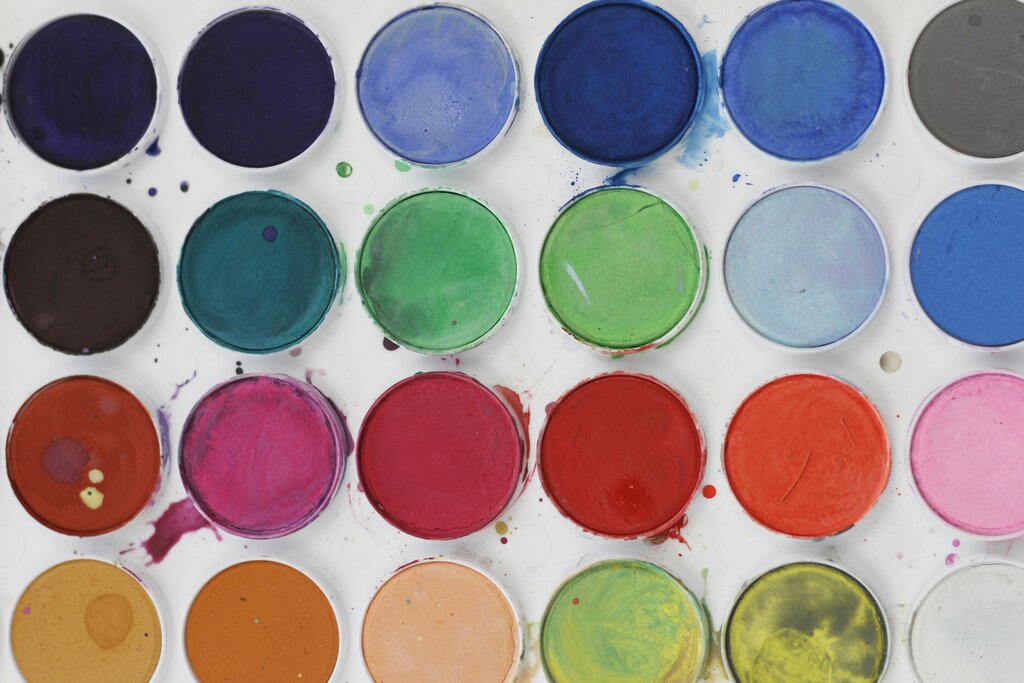
Pan watercolors are small, solid cakes of dry paint. You activate them with a wet brush. They're typically sold in portable sets, which makes them perfect for painting on the go or for quick studies. Many beginners start with pan sets because they are convenient and easy to use.
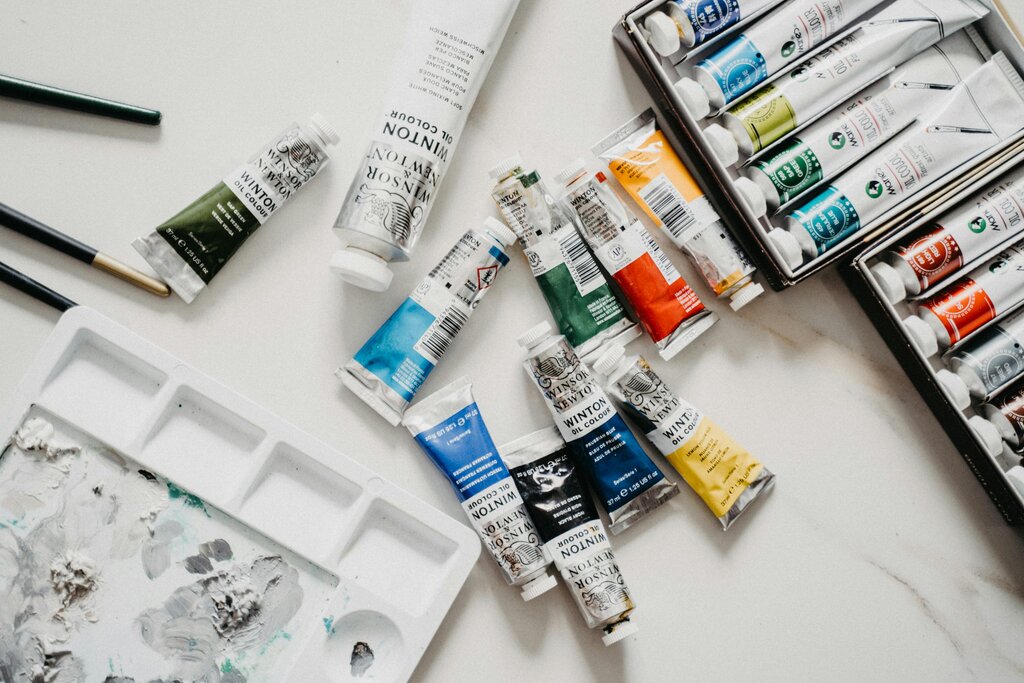
Tube watercolors contain moist, paste-like paint. You squeeze a small amount onto a palette and mix it with water. Tube paints are often more concentrated and can produce incredibly vibrant colors. They are also ideal for mixing larger quantities of a single color for big washes.
For beginners, a small pan set is a great, low-cost way to start. As you get more serious, you might add tubes for colors you use frequently.
Brushes and Paper
The right brush and paper are just as important as the paint. Unlike other types of painting, watercolor relies heavily on the paper's ability to handle water. Regular printing paper or sketch paper will buckle and warp.
Always use paper specifically made for watercolor. Look for paper that is at least 140 lb (or 300 gsm). This weight ensures the paper can absorb water without easily warping.
Watercolor paper also comes in different textures, or “presses.”
- Cold Press: This is the most common type. It has a slight texture, or “tooth,” which is great for beginners and versatile enough for most techniques.
- Hot Press: This paper is smooth and has almost no texture. It's excellent for fine detail, pen and ink work, and smooth, even washes.
- Rough: As the name suggests, this paper has a very noticeable, heavy texture. It creates a grainy, speckled effect when paint is applied.
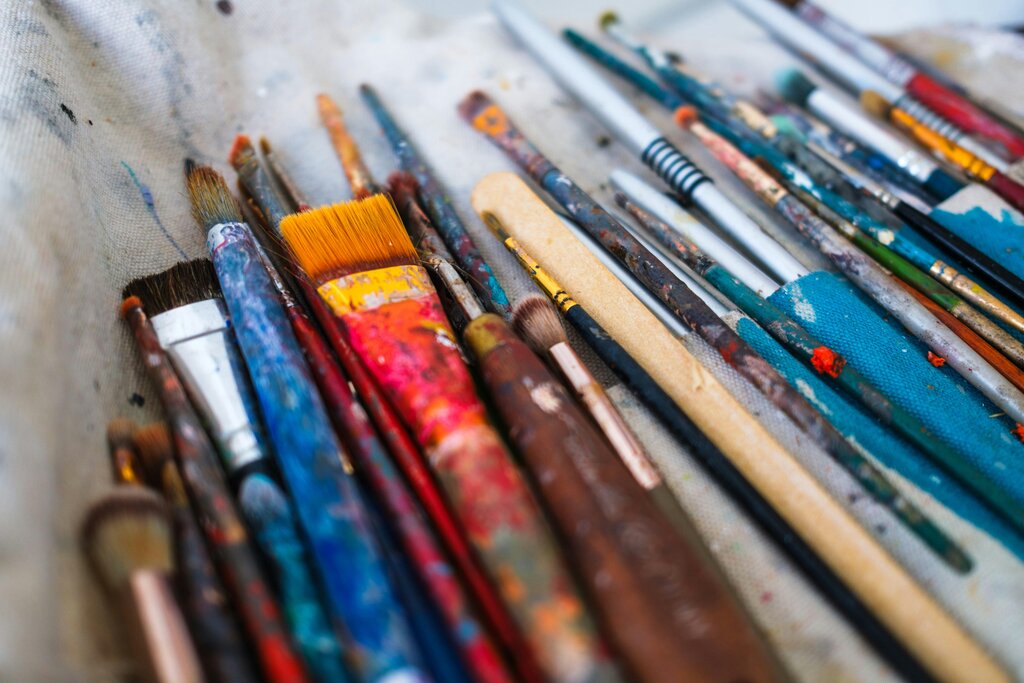
For brushes, you don't need a huge collection to start. Three basic shapes will cover most of your needs.
| Brush Type | Shape & Use |
|---|---|
| Round | Has a pointed tip for lines and details. The belly holds a good amount of water for washes. |
| Flat | Has a square end. Use it for broad, even washes of color and sharp edges. |
| Detail | A very small, thin round brush for the finest lines and most delicate work. |
Setting Up Your Space
A good workspace makes painting more comfortable and efficient. You don’t need a fancy studio, just a clear table or desk with good lighting. Besides your paint, paper, and brushes, you’ll want a few other items.
Your basic setup should include:
- Two jars of water (one for rinsing brushes, one for clean water to mix with paints).
- A palette for mixing colors. A simple ceramic plate works well.
- Paper towels or a sponge for blotting excess water from your brushes and lifting paint from the paper.
Arranging your materials in the same way each time helps build muscle memory. Place your water jars on the side of your dominant hand to avoid dripping across your painting. Keep your palette nearby and your paper towels ready.
Caring for Your Tools
Taking good care of your supplies will make them last longer. This is especially true for your brushes.
After painting, rinse your brushes thoroughly in clean water until no color comes out. Gently reshape the bristles with your fingers and lay them flat to dry. Never leave brushes sitting upright in a jar of water, as this will bend the bristles and ruin the brush.
A good habit: Never let paint dry in your brush. It can permanently damage the bristles.
For paints, let pan sets air dry completely before closing the lid to prevent mold. For tubes, make sure you wipe the threads clean and screw the cap on tightly so the paint doesn't dry out.
With these materials and a simple setup, you're ready to start exploring the world of watercolor.
An artist wants to paint a large, smooth sky with a single, uniform color. Which type of watercolor paint would be most suitable for mixing a large quantity of this color?
If you need a watercolor paper for highly detailed botanical illustrations with pen and ink, which press would be the best choice?