Watercolor Painting Essentials
Introduction to Watercolor Materials
The Essential Toolkit
Watercolor painting is famously simple. All you really need is paint, water, a brush, and some paper. But choosing the right tools will make your experience much smoother and help you get the results you want. Let's walk through the core materials every watercolor artist should have.
Choosing Your Colors
Watercolor paints come in two main forms: pans and tubes. Both contain the same ingredients—pigment (the color) and a binder (like gum arabic) that dissolves in water. The only real difference is their form.
Pans are small, solid cakes of dry paint set into a tray. You activate them with a wet brush. They're perfect for traveling, quick sketches, and painting on a smaller scale. Most beginner sets come in this format.
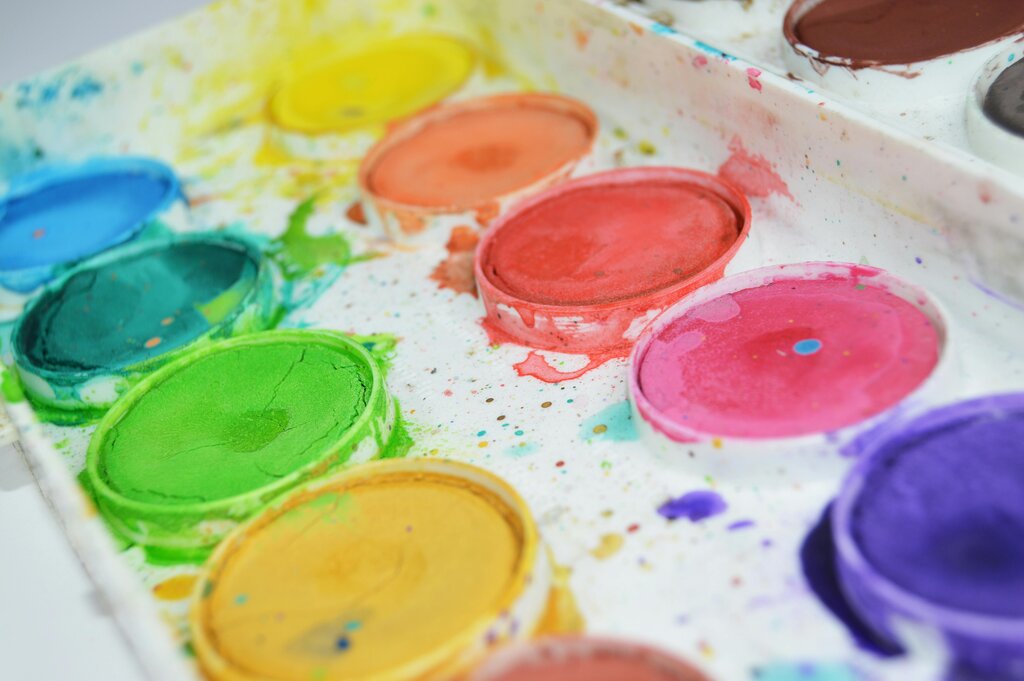
Tubes, on the other hand, contain soft, paste-like paint. You squeeze a small amount onto a palette and mix it with water. Tubes are great for creating large, vibrant washes of color and are more economical if you find yourself using a lot of specific colors.
You don't need dozens of colors to start. A basic set of primary colors (a warm and cool version of red, yellow, and blue) plus a couple of earth tones like Burnt Sienna or Raw Umber will let you mix almost any color you need.
Brushes Make the Mark
A good brush holds plenty of water and snaps back to a sharp point. While there are countless shapes and sizes, you can accomplish most tasks with just a few key types.
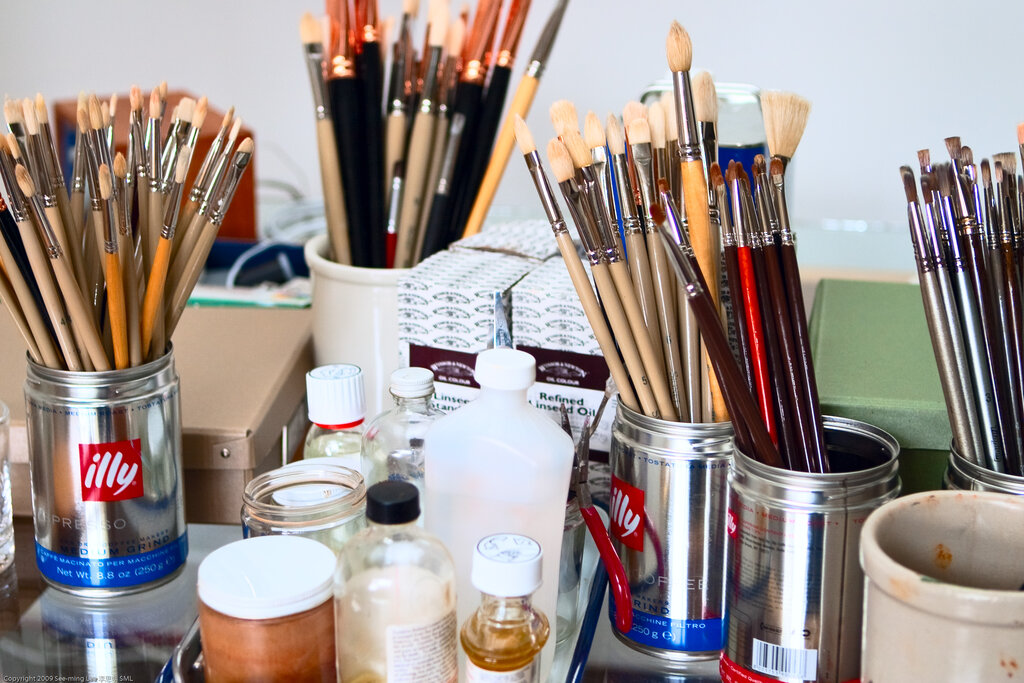
Here are the essentials:
| Brush Type | Best For |
|---|---|
| Round | The all-purpose brush. Great for lines, details, and small washes. Start with a medium size, like a #8 or #10. |
| Flat | Has a square, flat end. Ideal for broad washes of color, sharp edges, and geometric shapes. A 1-inch flat is very versatile. |
| Mop | A large, soft, round brush that holds a huge amount of water. It's used for wetting your paper or applying large, loose washes. |
Brushes can be made from natural hair (like squirrel or kolinsky sable) or synthetic fibers. Synthetics are more affordable, durable, and are a great cruelty-free option for beginners.
The Right Surface
Regular printer paper won't work for watercolor. It will buckle and tear as soon as it gets wet. You need paper specifically designed to absorb water.
Cold-press
adjective
The most common type of watercolor paper. It has a noticeable texture, or "tooth," which is great for beginners as it gives paint a nice surface to grab onto.
Paper weight is also important. It's measured in pounds (lb) or grams per square meter (gsm). A heavier paper can handle more water without warping. For practice, 140 lb (300 gsm) paper is the standard. Anything lighter will likely buckle.
A Few More Tools
Besides the big three, you'll want a few other items on your desk.
A palette is necessary for mixing your tube paints. A simple ceramic plate or a plastic palette with wells will work perfectly. You'll also need two water containers—one for rinsing brushes and one for clean water to mix with your paints. Old jars work great.
A paper towel or natural sponge is handy for blotting excess water from your brush. Finally, you might want some artist's tape or masking tape. Taping the edges of your paper to a board or your desk helps prevent it from buckling as it dries and gives you a clean, crisp border when you're finished.
Ready to check your knowledge? This quiz will cover the essential watercolor supplies we've just discussed.
What is the primary difference between watercolor paints sold in tubes versus pans?
Why is it important to use specific watercolor paper instead of regular printer paper?
With these basics in hand, you have everything you need to start exploring the world of watercolor.