Watercolor Painting Essentials
Introduction to Watercolor Materials
Your Watercolor Toolkit
Getting started with watercolor doesn't require a lot of equipment. The three essentials are paint, paper, and brushes. Choosing the right ones will make your painting experience much smoother and more enjoyable.
Choosing Your Colors
Watercolor paints come in two main forms: pans and tubes. Neither is better than the other; they just serve different purposes.
Pan paints are solid cakes of dry paint set into a small tray. You activate them with a wet brush. They're compact, portable, and perfect for sketching on the go. Most beginner sets come in this format.
Tube paints contain a soft, paste-like pigment. You squeeze a small amount onto a palette to use. Tubes are great when you need to mix a large amount of a specific color, and the pigment is often more concentrated and vibrant right out of the tube.
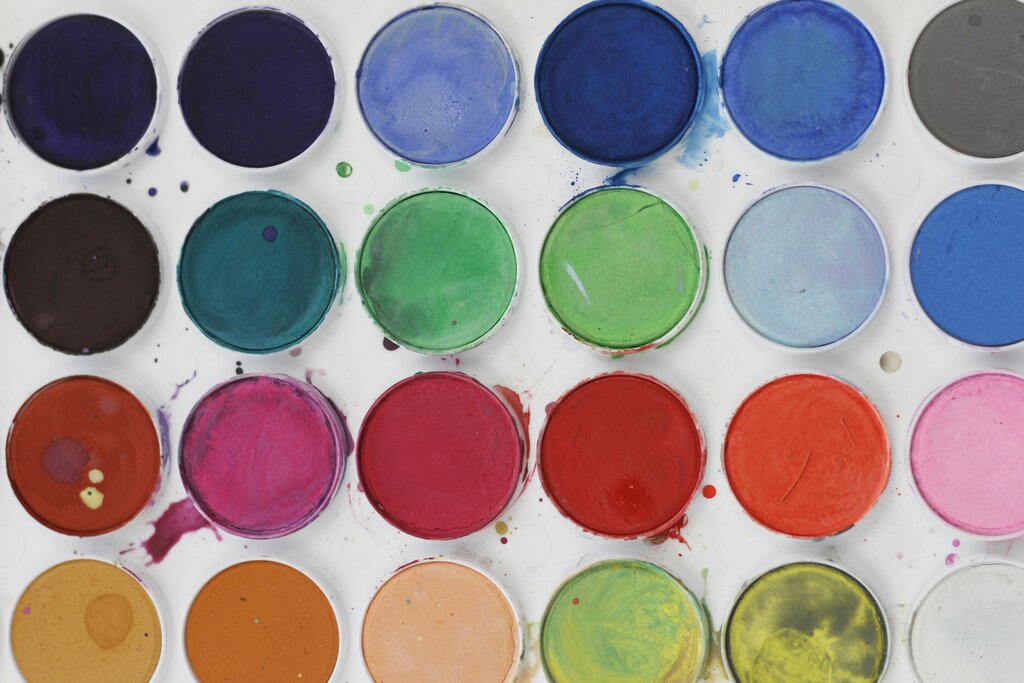
You don't need every color under the sun. A basic set of 12 colors is more than enough to start. You can mix these to create an almost endless range of hues.
The Right Brush
A good brush can feel like an extension of your hand. Brushes for watercolor are designed to hold a good amount of water and release it evenly. For a beginner, three types will cover most situations.
- Round Brush: This is the workhorse. Its pointed tip is great for fine lines and details, while the body can be used for broader strokes and filling in areas.
- Flat Brush: Use this for wide, even washes of color, like painting a sky. The sharp edge is also useful for creating crisp lines.
- Mop Brush: A large, soft brush that holds a lot of water. It’s ideal for wetting large areas of paper or applying very loose, broad washes.
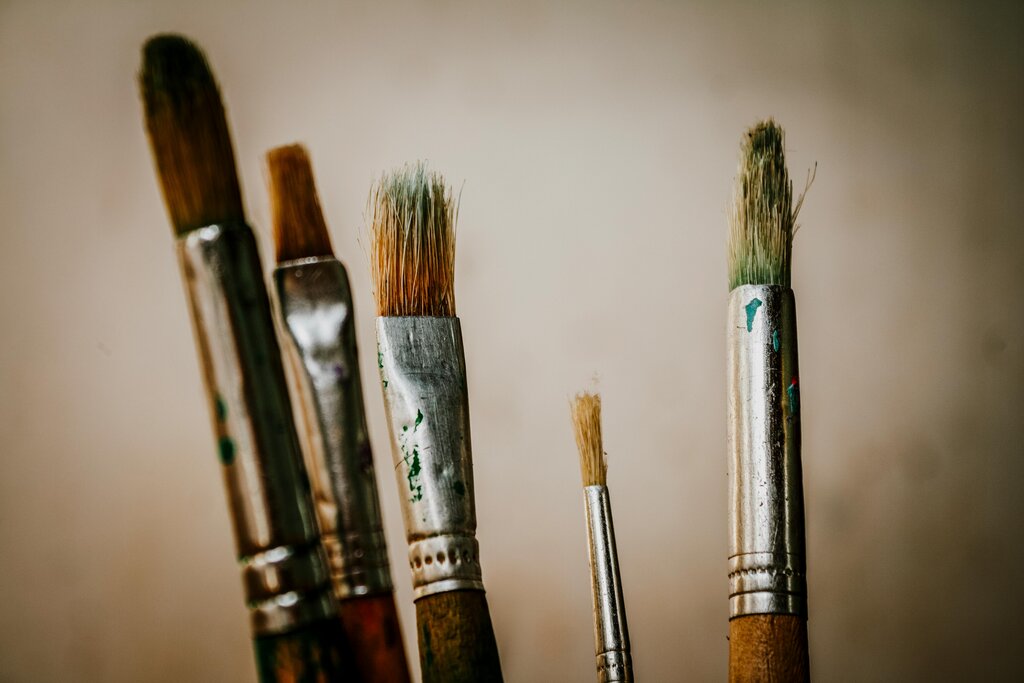
Brushes come with natural bristles (like squirrel or sable) or synthetic ones. Natural hair holds more water, but modern synthetic brushes are excellent, more affordable, and durable. A mix of synthetic brushes is a great, budget-friendly way to start.
To keep your brushes in good shape, always rinse them thoroughly with water after painting. Reshape the bristles gently with your fingers and lay them flat to dry. Never leave them sitting upright in a water container, as this can damage the bristles and loosen the glue holding them in place.
Paper Matters
You can't use just any paper for watercolor. Standard printer paper or sketch paper will buckle and warp as soon as it gets wet. Watercolor paper is specially made to handle a lot of water.
There are two main things to look for in watercolor paper: weight and texture.
Weight refers to the paper's thickness. It's measured in pounds (lb) or grams per square meter (gsm). A good starting weight is 140 lb (or 300 gsm). This is sturdy enough to resist buckling without being too expensive.
Texture, also called "tooth," affects how the paint settles on the surface. There are three main types:
Cold-press: Has a slight texture. It's the most common and versatile, great for beginners. Hot-press: Has a smooth surface. It's ideal for fine detail and line work. Rough: Has a very noticeable, heavy texture that can create interesting effects.
For your first paintings, cold-press paper is the best choice. You can buy it in individual sheets, pads, or blocks. A block is a pad of paper that is glued on all four sides, which helps prevent buckling as your painting dries.
Other Handy Tools
Besides the big three, a few other items will make your life easier:
- A Palette: You need a surface for mixing your paints. This can be a simple ceramic plate, a plastic palette with wells, or even the lid of your pan set.
- Water Containers: Two are better than one. Use the first for rinsing your brushes between colors and the second for clean water to mix with your paints. Jars or plastic cups work perfectly.
- Paper Towels or a Sponge: For blotting excess water off your brush or lifting paint from the paper.
- Masking Tape: If you're not using a watercolor block, you can tape the edges of your paper down to a board or hard surface. This helps keep it flat as it dries.
What is the recommended minimum weight for watercolor paper to prevent it from buckling easily?
Which type of watercolor paint is best suited for painting on the go and is often found in beginner sets due to its compact nature?
With these basic materials, you're ready to start exploring the world of watercolor.