Water Services for Fracking
Introduction to Fracking
Unlocking Trapped Energy
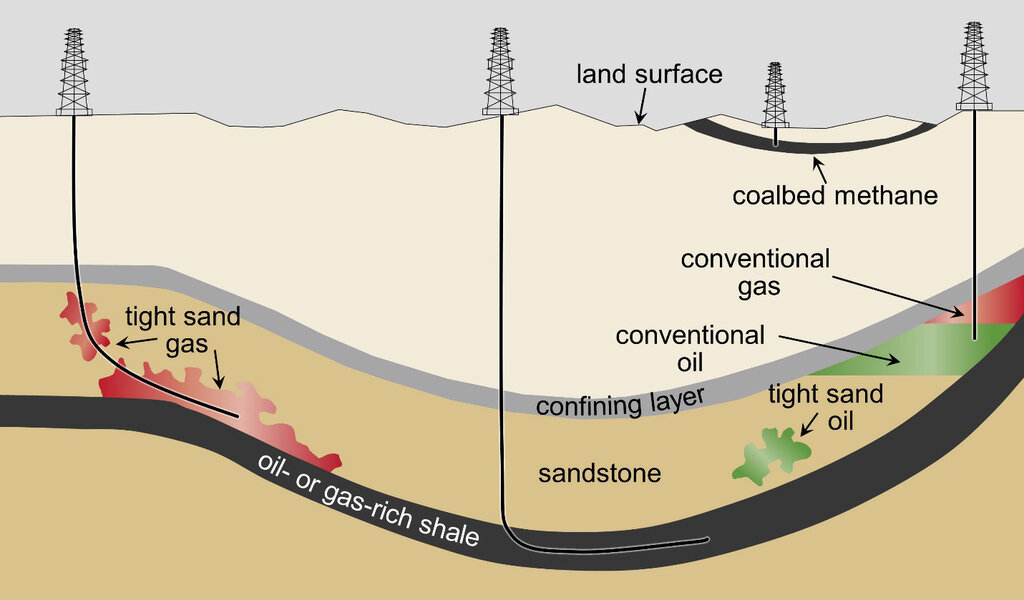
Hydraulic fracturing, commonly known as fracking, is a technique used to extract oil and natural gas from deep underground. Think of it like trying to get juice from a very dense, dry sponge. You can't just squeeze it; you need a way to open up pathways for the liquid to flow out. Fracking does something similar for rock formations.
The target is often shale, a specific type of rock that holds vast amounts of oil and gas. But these resources are trapped in tiny, disconnected pores. The rock isn't permeable enough for them to flow freely to a well.
shale
noun
A fine-grained sedimentary rock formed from the compaction of silt and clay-sized mineral particles.
Fracking's main purpose is to create a network of cracks, or fractures, in these tight rock formations. This network acts like a system of highways, allowing the trapped oil and gas to flow out of the rock and up to the surface. This technology has unlocked enormous energy reserves that were previously considered inaccessible.
Why West Texas?
West Texas is a major hub for fracking because of its geology. Deep beneath the surface lies the Permian Basin, a massive geological formation rich in layers of shale rock. Over millions of years, organic material was buried, heated, and compressed, forming the oil and natural gas that is now locked within these shale layers.
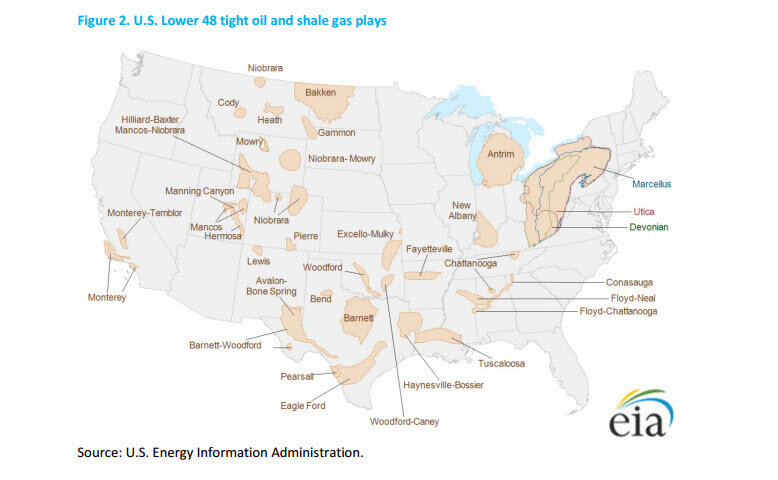
Formations like the Wolfcamp and Spraberry within the Permian Basin are incredibly thick, sometimes thousands of feet. This means a single well can access multiple layers of oil- and gas-rich rock, making the area highly productive and economically attractive for energy companies.
How Fracking Works
The fracking process is a multi-stage operation. It all starts with drilling a well. First, a vertical well is drilled thousands of feet down to reach the target shale formation. Then, the drill bit is turned to continue drilling horizontally, sometimes for another mile or two, straight through the rock layer.
Once the well is drilled and cased in steel and cement, a perforating gun is lowered into the horizontal section. It fires small, powerful charges that create holes through the casing and into the shale rock. These holes are the starting points for the fractures.
Next comes the main event. A blend of water, sand, and chemicals, known as fracking fluid, is pumped down the well at extremely high pressure. The pressure is immense enough to fracture the surrounding rock, creating a web of cracks that can extend hundreds of feet from the wellbore.
The Role of Water
Water is the single most important ingredient in fracking fluid, typically making up over 98% of the mixture. Its primary role is to carry the pressure down the well and force the rock to fracture. A single fracking job can require millions of gallons of water.
Fracking requires highly trained engineers who use specialised equipment to mix vast quantities of water with chemicals and sand and shoot it into the ground at high pressures, cracking the dense shale bed and releasing a mix of gas, water, and other sediments to the surface.
The sand, or a similar granular material called proppant, is carried into the newly formed cracks by the water. When the pumping stops and the pressure is released, the fractures naturally try to close. The grains of sand, however, are left behind, propping the cracks open and creating lasting pathways for oil and gas to escape.
In short, water creates the cracks, and sand keeps them open.
After the fracturing is complete, the pressure is reduced, and the injected fluid, now mixed with oil and gas from the formation, flows back up the well. This marks the beginning of the well's productive life. The huge volumes of water needed for this process are a critical part of the entire operation.
What is the primary purpose of hydraulic fracturing?
Why is West Texas, particularly the Permian Basin, a major hub for fracking operations?