Water Quality Index Explained
Introduction to Water Quality
What Makes Water 'Good'?
When we talk about water quality, we're asking a simple question: is this water suitable for its purpose? The answer isn't just about whether it looks clean. Water that's perfect for farming might be unsafe for swimming. Water that fish thrive in could be unsuitable for us to drink.
Water quality is a measure of the condition of water relative to the requirements of one or more living species or to any human need.
Good water quality is vital. For humans, it's a matter of health. Contaminated drinking water can carry diseases. For ecosystems, it's a matter of survival. Aquatic plants and animals have specific needs, and poor water quality can wipe out entire populations. It even impacts our economy, affecting everything from commercial fishing to tourism.
The Ingredients of Water Quality
To understand water quality, scientists measure several key characteristics, or parameters. These fall into three main categories: physical, chemical, and biological.
Physical Parameters
Physical parameters are things you can often see or feel.
Temperature is a major one. Most aquatic organisms are cold-blooded and can't regulate their body temperature. They are adapted to a specific temperature range. Sudden changes, often from industrial discharge or runoff from hot pavement, can cause stress or even death. Temperature also affects how much oxygen can dissolve in the water.
Turbidity
noun
A measure of the cloudiness or haziness of a fluid caused by large numbers of individual particles that are generally invisible to the naked eye.
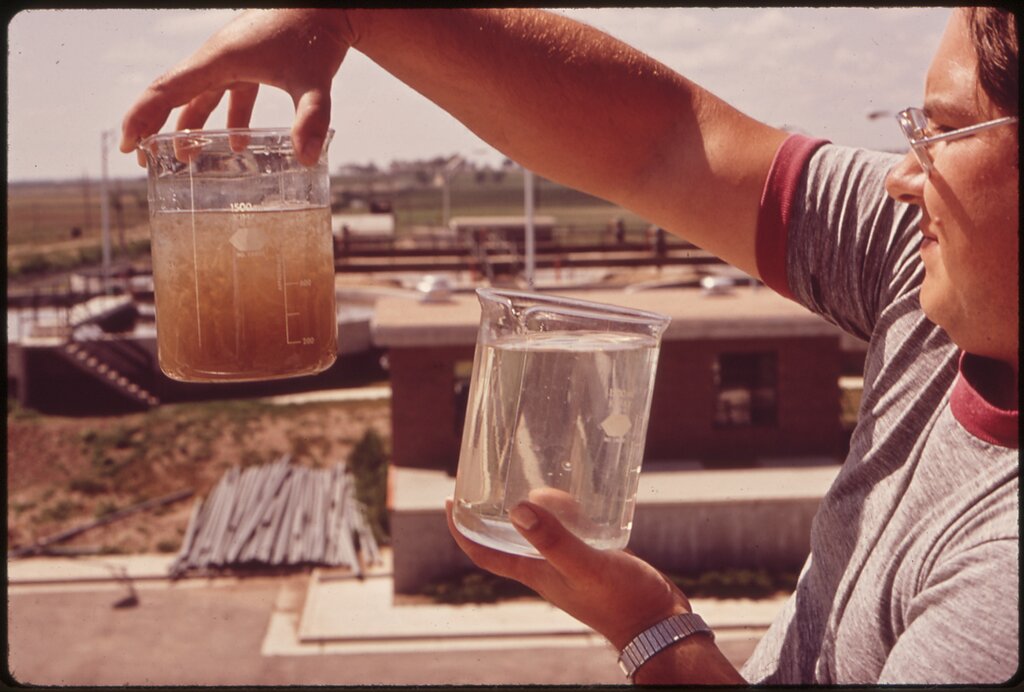
Turbidity is essentially a measure of water's cloudiness. Clear water has low turbidity, while murky water has high turbidity. It's usually caused by suspended particles like silt, clay, algae, or other microscopic organisms. High turbidity can harm fish by clogging their gills and prevent sunlight from reaching aquatic plants, stunting their growth.
Chemical Parameters
The chemical makeup of water is critical. Just like us, aquatic life needs a specific chemical balance to survive.
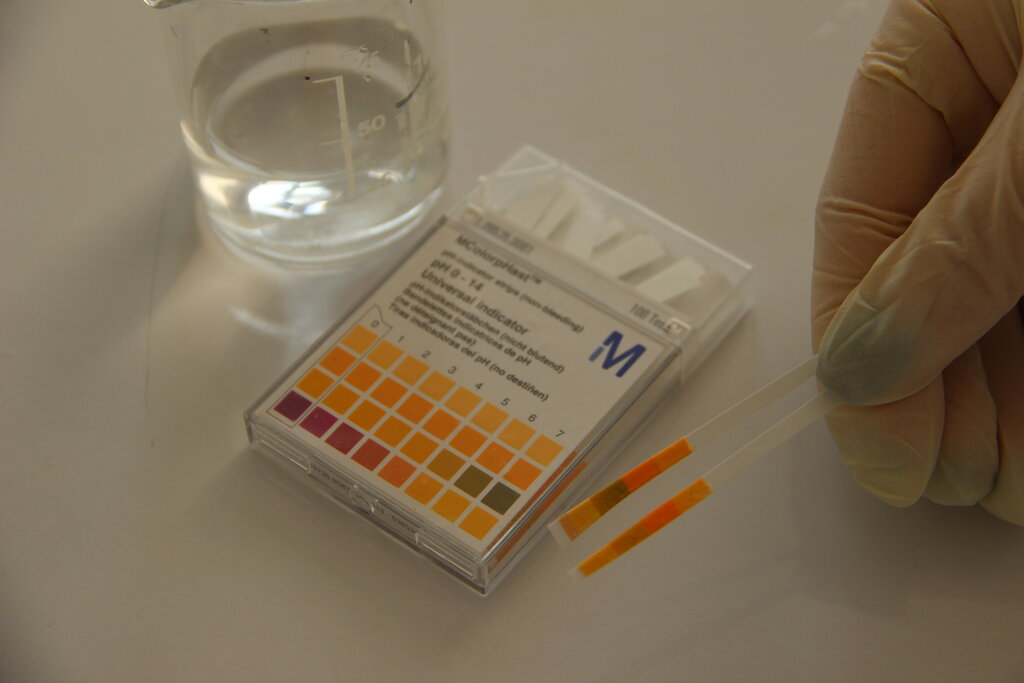
One of the most important measures is pH, which tells us how acidic or alkaline the water is. The pH scale runs from 0 (very acidic) to 14 (very alkaline), with 7 being neutral. Most aquatic life prefers a pH between 6.5 and 8.0. A sudden change can be lethal.
Dissolved oxygen (DO) is the amount of oxygen available in the water. Fish and other aquatic animals don't breathe water itself; they breathe the oxygen dissolved in it. Fast-moving, cold water holds more dissolved oxygen than warm, stagnant water. Low DO levels, often caused by pollution or excess algae decay, can suffocate aquatic life.
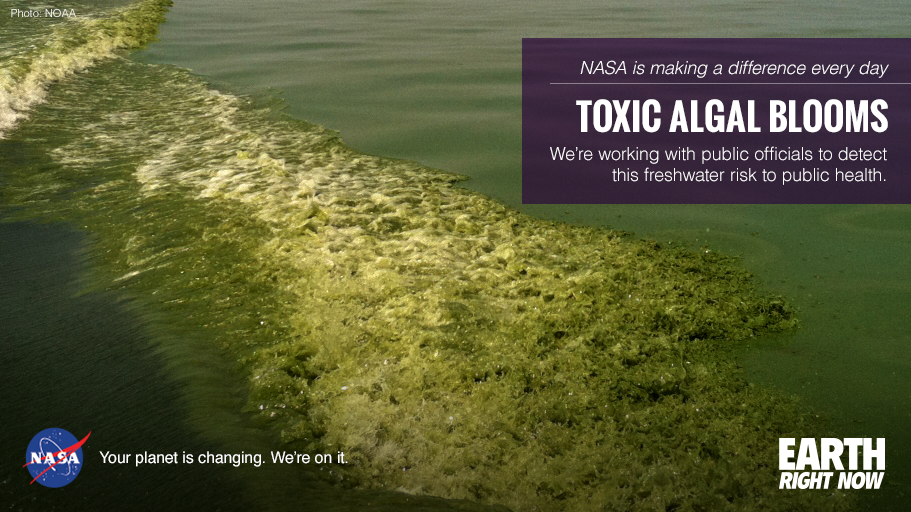
Finally, nutrients like nitrogen and phosphorus are essential for plant growth. In water, however, too much of a good thing is a problem. Excess nutrients, often from fertilizer runoff or sewage, can lead to massive growths of algae called algal blooms. When these blooms die and decompose, the process consumes huge amounts of dissolved oxygen, creating 'dead zones' where most life cannot survive.
Biological Parameters
The life within the water also tells a story about its quality.
Microbial content refers to the presence of bacteria, viruses, and other microorganisms. While many are harmless, some are pathogens that can cause serious illness in humans if ingested. That's why public drinking water is treated to kill these harmful microbes.
We can also use bioindicators to assess water health. These are living organisms whose presence, condition, or numbers can provide information on the state of the ecosystem. For example, certain species of mayflies and stoneflies are very sensitive to pollution. If you find them in a stream, it's a good sign the water is clean. If they're absent, it may indicate a problem.
Each of these parameters provides a piece of the puzzle. Together, they paint a comprehensive picture of water quality, helping us protect this essential resource for generations to come.