Water Awareness Jersey and the Story of Forever Chemicals
Water's Journey
An Island's Water Story
On an island like Jersey, every drop of water counts. Unlike mainland areas with vast river systems, Jersey relies on a self-contained, or 'closed-loop', system. The water that falls as rain is the same water that fills our reservoirs, soaks into the ground, and eventually flows from our taps. It’s a continuous journey that connects the sky, the land, and our homes.
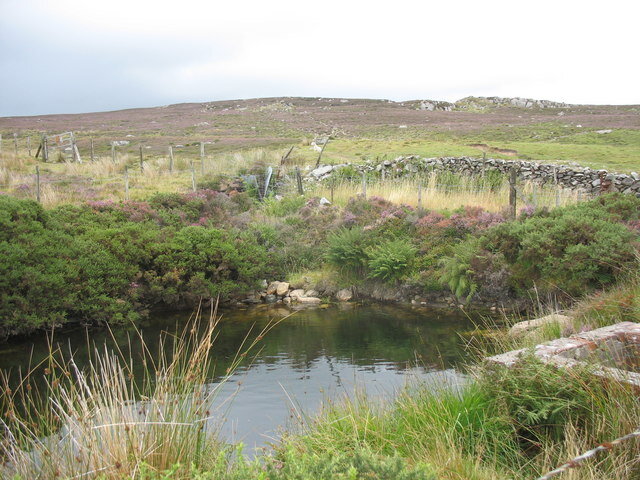
This cycle starts with rain, which runs off the land and collects in streams. These streams are carefully channelled to feed the island's main storage facilities. This process creates a finite supply that the entire island shares. Understanding this cycle is key to understanding why managing our water resources is so important.
Reservoirs and Wells
Most of the island's tap water begins its journey in large, man-made lakes. The two largest are in the west and Queen's Valley Reservoir in the east. These aren't just ponds; they are massive catchments that hold millions of gallons of raw water gathered from the surrounding valleys, waiting to be treated and supplied by to homes and businesses.
But reservoirs aren't the only source. Many islanders, particularly in more rural parishes, rely on private and wells. These don't collect surface water. Instead, they tap into groundwater, which is the vast reserve of rainwater that has soaked down through soil and rock over many years. This groundwater, held in underground layers called aquifers, is a vital part of Jersey's water supply.
One Shared System
Whether water is held in a reservoir or underground in an aquifer, it's all part of the same island system. The water is constantly moving between the surface and the ground. This interconnectedness has a very important consequence: what we put into the ground or pour down the drain doesn't simply disappear.
On an island, there is no 'away'. Substances that enter the water cycle can remain in the system, moving from soil to groundwater, into streams, and eventually back to our reservoirs.
This closed loop means that the island's water is vulnerable. Contaminants can circulate within the system for a very long time. This is the foundation for understanding how persistent chemicals can become a long-term problem in a contained environment like Jersey.
What is meant by Jersey having a 'closed-loop' water system?
What are the two largest man-made reservoirs that store the majority of Jersey's raw water?