Water and Energy in Israeli-Arab Diplomacy
Historical Context
A Century of Change
To understand the modern Middle East, we have to look back to the early 20th century. For centuries, the Ottoman Empire had ruled over a vast, diverse territory that included most of the Arab world. But by World War I, the empire was crumbling. Its collapse created a power vacuum, and European powers, mainly Britain and France, stepped in to draw new borders and create new states.
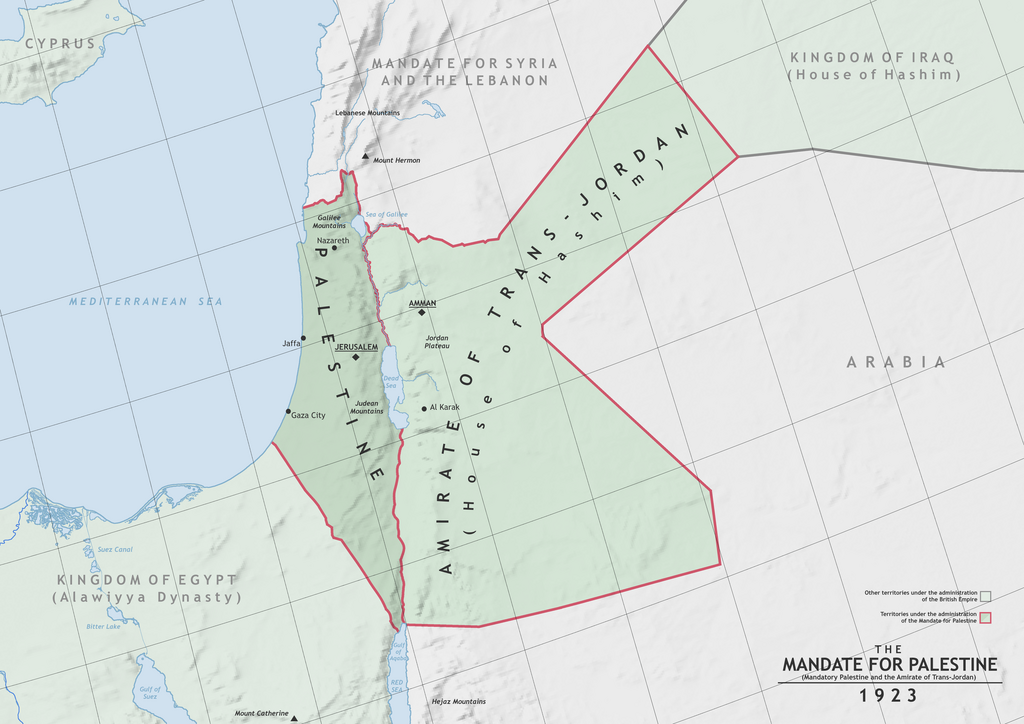
This period saw the rise of two powerful nationalist movements. Arab nationalism sought independence and unity for Arab peoples across the region. At the same time, Zionism, the movement for a Jewish homeland, gained momentum, with many Jews immigrating to Palestine. These competing aspirations for the same land set the stage for future conflict.
The British Mandate for Palestine, established after World War I, placed the territory under British administration, with a dual obligation to both the Arab population and the Jewish national home.
Conflict and Upheaval
When the British Mandate ended in 1948 and Israel declared its independence, the first Arab-Israeli War broke out immediately. Neighboring Arab states invaded, rejecting the new state. This war, and the conflicts that followed, fundamentally reshaped the region's map and politics.
| Key Conflict | Year | Outcome |
|---|---|---|
| 1948 Arab-Israeli War | 1948 | Israel established; armistice lines drawn |
| Six-Day War | 1967 | Israel captured the Sinai, Gaza, West Bank, and Golan Heights |
| Yom Kippur War | 1973 | Surprise attack by Egypt and Syria; eventually led to peace talks |
These wars weren't just about territory; they were about national identity, security, and survival. The 1967 Six-Day War was a pivotal moment. In a stunningly short time, Israel's military victory dramatically altered the strategic balance, placing it in control of significant territories and populations. The 1973 Yom Kippur War, while a military challenge for Israel, ultimately demonstrated that a military stalemate was untenable, paving the way for diplomacy.
Studying these events shed light on the competing claims to land, the deep-seated sense of injustice felt by both Palestinians and Israelis, and the historical narratives that continue to shape their perspectives.
The Path to Peace
Despite decades of hostility, diplomatic breakthroughs began to emerge. The first and most significant was the peace treaty between Israel and Egypt. After secret negotiations brokered by the United States at Camp David, the two nations signed a historic agreement in 1979. Egypt became the first Arab country to formally recognize Israel.
This treaty changed the dynamic of the entire conflict. It removed the largest Arab military power from the equation and proved that peace was possible. Decades later, another major step was taken. In 1994, Israel and Jordan signed a peace treaty, officially ending their state of war and beginning an era of cooperation.
More recently, the Abraham Accords of 2020 marked another shift. The United Arab Emirates, Bahrain, Morocco, and Sudan normalized relations with Israel. Unlike the earlier treaties with Egypt and Jordan, which were primarily security-focused agreements between bordering states, these accords were driven by shared economic interests and mutual concerns about regional stability.
Each peace agreement, from Camp David to the Abraham Accords, has chipped away at the wall of non-recognition, gradually transforming diplomatic relations in the region.
Let's review some of the key events and terms from this historical overview.
Now, test your knowledge of the historical context.
What was the primary consequence of the Ottoman Empire's collapse after World War I for the Arab world?
Which two nationalist movements with competing aspirations for the same land were central to the conflict that emerged in the early 20th century?
This historical arc from total war to fragile peace agreements provides the essential backdrop for understanding any modern issue in the Middle East, including the complex negotiations over shared resources.