Watch Terminology Explained
Watch Components
Anatomy of a Watch
Every watch you see, from a simple digital piece to a luxury mechanical marvel, is built around a few core external parts. These components work together to protect the delicate machinery inside and present the time in a clear, readable way. Let's start with the most fundamental part: the case.
The case is the watch's protective shell. Think of it as the body armor for the intricate movement ticking away inside. It guards against dust, moisture, and shocks from daily wear. Attached to the case are the lugs, which are small projections where the strap or bracelet connects. You'll also find the crown, a small knob on the side used to set the time and, on mechanical watches, to wind the mainspring.
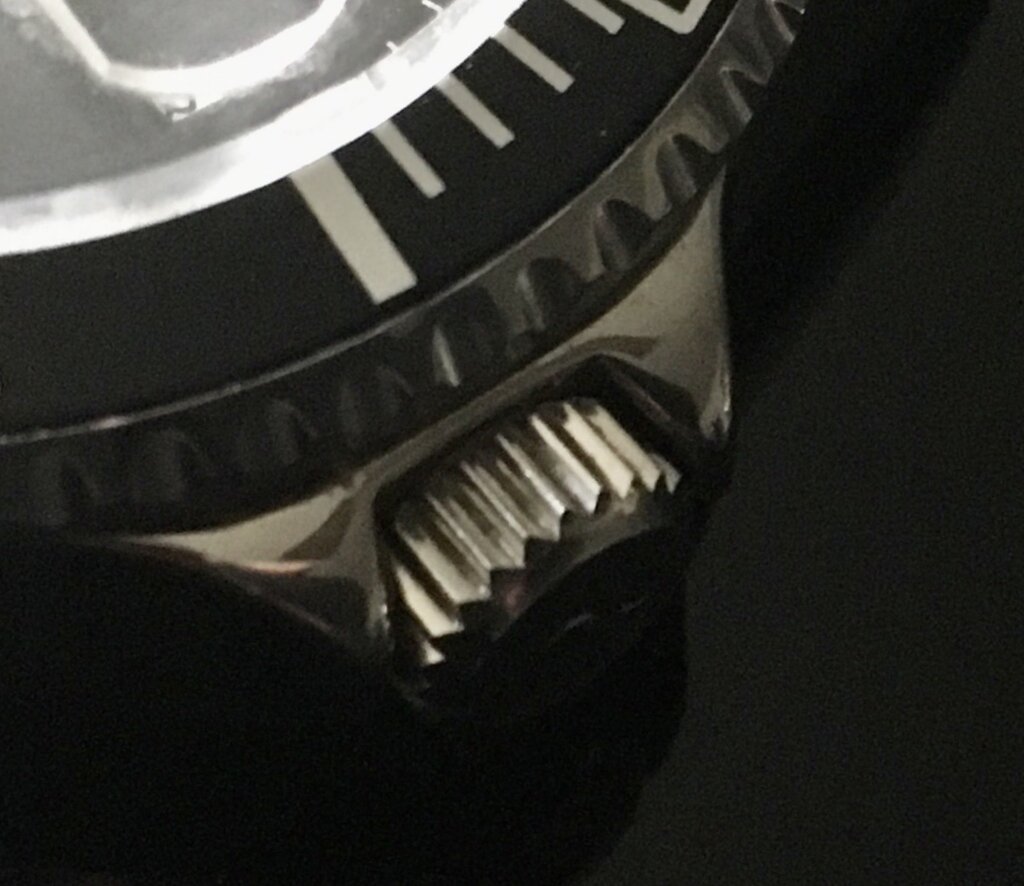
The Face of Time
What you look at to tell the time is a combination of three parts: the crystal, the dial, and the hands.
The crystal is the transparent cover that protects the watch face. It's a clear window that keeps dust and debris away from the dial and hands, while also resisting scratches. Without it, the delicate hands would be easily damaged.
Beneath the crystal lies the dial, often called the face of the watch. This is where the time is displayed. The dial features hour markers, which can be numerals, indices, or other symbols. Many dials also have a minute track around the outer edge for more precise reading.
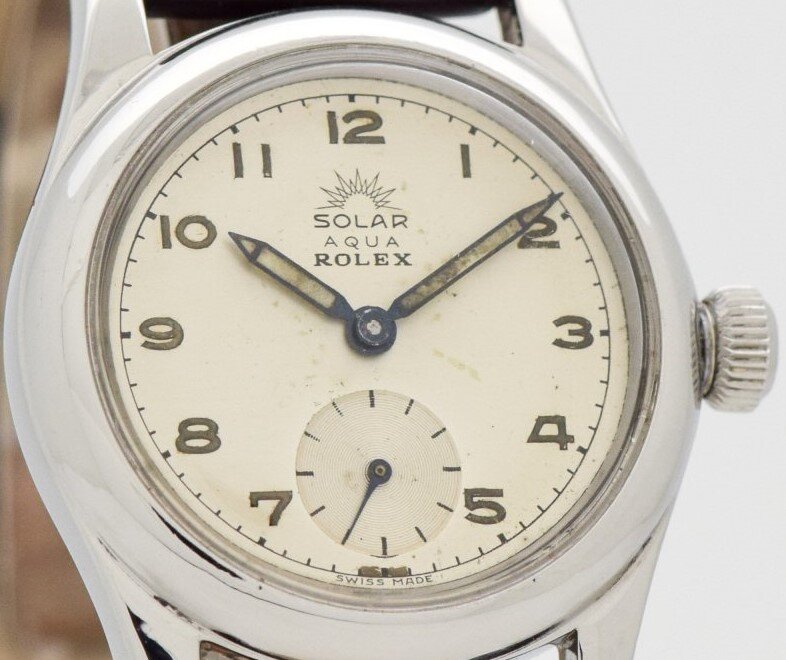
Finally, we have the hands. These pointers rotate around the dial to indicate the hour, minute, and often the second. Their design can vary dramatically, from simple sticks to ornate, decorative shapes. But their job is always the same: to point out the current time against the markers on the dial.
The hands are the pointers that translate the watch's internal rhythm into readable time.
Together, these external components form the essential structure of a watch. They create the crucial interface between the complex mechanics inside and the person reading the time, blending function with design.