Warren Buffett's Berkshire Hathaway Blueprint
Berkshire Hathaway Origins
A Tale of Two Mills
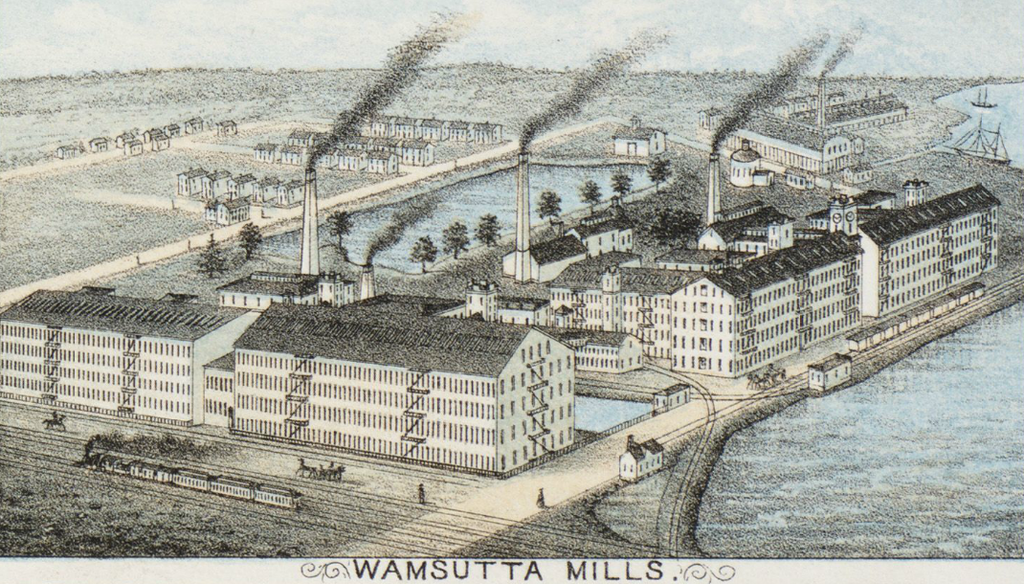
Before it was a household name in investing, Berkshire Hathaway was a textile manufacturer. The company we know today was formed in 1955 through the merger of two prominent New England textile firms: Hathaway Manufacturing Company and Berkshire Fine Spinning Associates.
Hathaway Manufacturing was established in 1888 in New Bedford, Massachusetts. It was known for producing high-quality cotton textiles and was a major employer in the region. Berkshire Fine Spinning Associates was itself a combination of several cotton mills in northern Massachusetts, with roots stretching back to the early 1800s. Together, they formed a textile giant, Berkshire Hathaway, Inc., with 15 mills and over 12,000 employees.
An Industry Unraveling
By the mid-20th century, the American textile industry, especially in the North, was in serious trouble. For decades, New England had been the heart of textile production. But the landscape was changing rapidly. The primary challenge came from the South. Mills in states like North and South Carolina could operate with much lower labor costs, giving them a significant price advantage.
Foreign competition also began to ramp up, with manufacturers in other countries producing textiles even more cheaply. Adding to the pressure, new synthetic fabrics like rayon and nylon were gaining popularity, reducing demand for the traditional cotton products that were Berkshire Hathaway's specialty. The industry that had built cities was now fighting for survival.
A Struggling Giant
The newly merged Berkshire Hathaway faced these industry headwinds from day one. Despite its impressive size and history, the company was not profitable. The management team, led by CEO Seabury Stanton, fought to keep the company afloat by closing inefficient mills and cutting costs. Between 1955 and the early 1960s, they shut down seven plants and laid off thousands of workers.
These measures helped, but they couldn't reverse the tide. The company's financial performance was bleak. Revenue was shrinking, and profits were inconsistent at best. The business was slowly bleeding out, a common fate for many New England mills at the time. The table below shows a simplified snapshot of the company's struggles in the years after the merger.
| Year | Revenue (Millions) | Net Income (Millions) |
|---|---|---|
| 1955 | $112 | $2.9 |
| 1958 | $65 | -$1.3 (Loss) |
| 1961 | $51 | $1.2 |
| 1964 | $49 | -$2.2 (Loss) |
As the numbers show, Berkshire Hathaway was a business in decline. Its assets, like mills and machinery, were worth more than the company's total stock market value. It was a classic example of a struggling company, a shadow of its former self, seemingly destined to fade away like so many of its peers.
Ready to test your knowledge on the early days of Berkshire Hathaway?
Before it became a famous investment company, what industry was Berkshire Hathaway primarily involved in?
The modern Berkshire Hathaway was formed in 1955 through the merger of Hathaway Manufacturing Company and which other firm?
This foundational period of struggle set the stage for one of the most dramatic transformations in business history.