Warhammer Miniature Painting Mastery
Introduction to Miniature Painting
Your Painting Toolkit
Before you can bring your miniatures to life with color, you need to prepare them. This starts with a few basic tools to get them ready for priming and painting.
First, you'll need a pair of clippers, or nippers, to carefully remove the plastic parts of your miniature from their frame, called a sprue. Once the pieces are free, you’ll notice small bits of plastic left where they were connected. A sharp hobby knife is perfect for trimming these away. Finally, use a set of small files or fine-grit sandpaper to smooth down any remaining rough spots or mold lines—faint ridges left from the manufacturing process. A clean, smooth surface is the foundation of a great paint job.
You'll also need a palette to hold and mix your paints. You can start with a simple ceramic tile or plastic dish, known as a dry palette. Many painters prefer a wet palette, which is a shallow container with a sponge and a special sheet of paper on top. It keeps your acrylic paints from drying out, giving you more time to work. Lastly, grab two water pots: one for rinsing metallic paints and another for all other colors. This simple habit prevents metallic flakes from contaminating your other paints.
Choosing Your Brushes
Brushes are your most important tool, and having a few different types makes a big difference. You don't need dozens to start, just a few key shapes and sizes. Most miniature painting brushes are made with synthetic bristles or natural hair, like sable. Synthetic brushes are durable and great for beginners, while sable brushes hold more paint and have a finer point, offering more control.
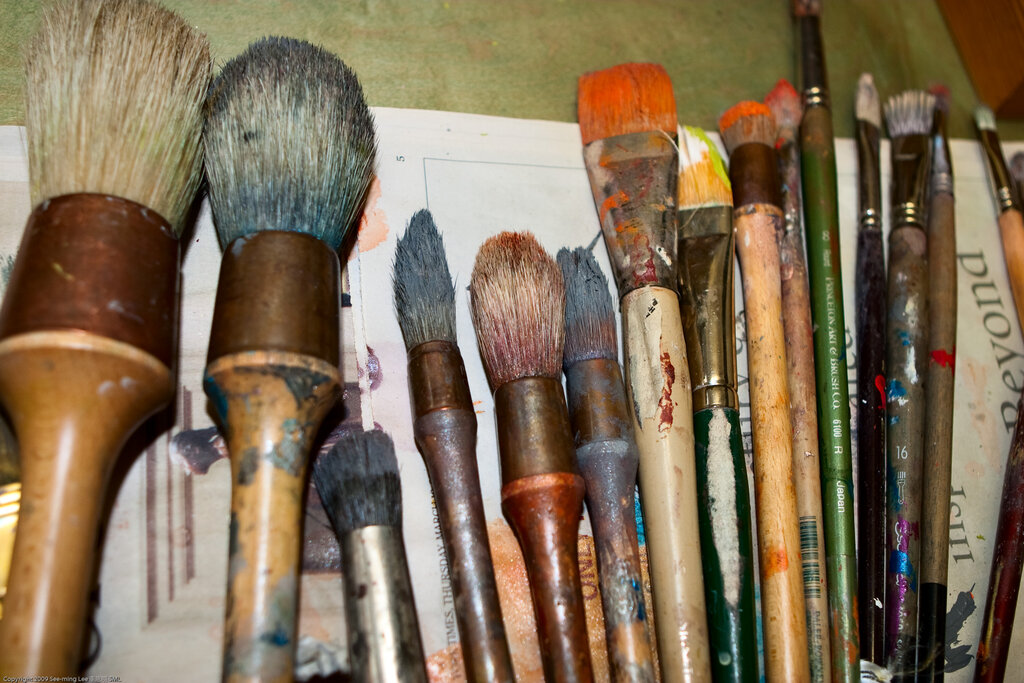
Start with a standard brush (often called a Layer brush) for most of your work, a smaller detail brush for tiny areas like eyes and emblems, and a larger brush for applying base coats or washes. A flat-headed brush, known as a drybrush, is also useful for a specific highlighting technique.
Good brush care is crucial. Always rinse your brushes thoroughly in clean water after use, making sure no paint dries in the bristles near the base. After cleaning, gently reshape the bristles to a fine point with your fingers. Store them upright in a pot, bristle-side up, so they don't bend or fray.
Understanding Paints
The first step in painting is priming. A primer is a special type of paint that creates a uniform surface for other paints to stick to. Without it, your paint might bead up or rub off easily. Primers come in spray cans or in bottles for application with a brush or airbrush. A neutral color like black, grey, or white is usually best. Black creates instant shadows, while white makes colors appear brighter.
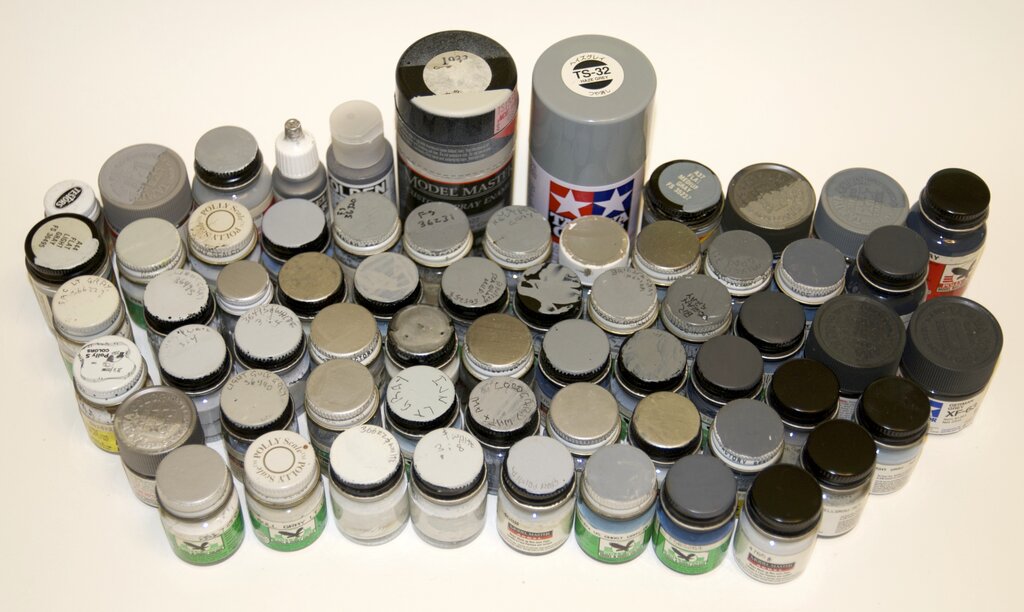
Most miniature paints are water-based acrylics, which means they are easy to thin with water and clean up. They come in small pots designed for this hobby. Different paint brands have slightly different consistencies, but they generally fall into a few key categories based on their purpose.
| Paint Type | Purpose | Consistency |
|---|---|---|
| Base | Applies the first, solid coat of color. | Highly pigmented, opaque |
| Layer | Used to build up highlights over base coats. | Thinner, slightly less opaque |
| Shade | A thin, watery paint that flows into recesses. | Very thin, translucent |
| Contrast | A special paint that acts as a base and shade in one. | Thin, highly translucent |
Setting Up Your Space
Your painting area doesn't need to be fancy, but it should be comfortable and functional. Good lighting is the most important element. A desk lamp with a daylight bulb that you can position directly over your miniature will help you see details clearly and judge colors accurately. A comfortable chair is also a must, as you might be sitting for long periods.
Keep your workspace organized. Arrange your paints so you can easily find the color you need. A dedicated cutting mat will protect your desk when using a hobby knife. Having everything within reach makes the process smoother and more enjoyable.
Safety should always be a priority. If you're using a spray primer, always do it in a well-ventilated area, preferably outdoors. The fumes can be harmful, so wearing a mask is a good idea. Hobby knives are extremely sharp; always cut away from your body and keep your fingers clear of the blade's path. When you're done, retract the blade or put the cap back on.
A clean workspace is a safe workspace. Keep your tools organized and your area free of clutter to prevent accidents.
Ready to check your understanding? Let's see what you've learned about getting started.
What is the correct sequence of tools to use when preparing a miniature part from its sprue?
What is the primary advantage of using a wet palette for miniature painting?
With the right tools and a safe, organized workspace, you're ready to start your miniature painting journey.