Warehouse Management Essentials
Warehouse Management Basics
The Heart of the Supply Chain
Think about the last thing you ordered online. It might have been a book, a new pair of headphones, or even groceries. It arrived at your door, but where was it before that? Chances are, it spent time in a warehouse.
A warehouse isn't just a giant storage shed. It's a dynamic, organized hub where goods are received from manufacturers, stored safely, and then shipped out to customers or retail stores. It's a critical link that keeps the entire supply chain moving smoothly.
A warehouse is not just a storage space—it’s a complex system that ensures products move efficiently from suppliers to customers.
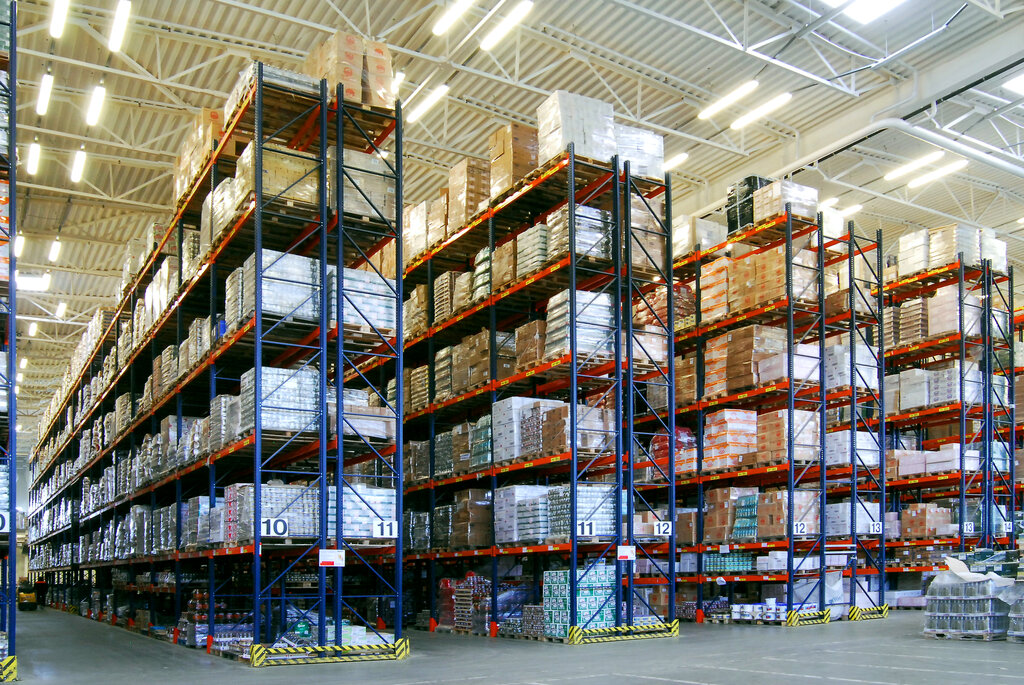
Without warehouses, companies would face a logistical nightmare. They would have no central place to hold inventory, making it difficult to manage stock levels and fulfill orders quickly. Warehouses bridge the gap between production and consumption, ensuring products are available when and where they're needed.
The Three Core Functions
Every warehouse, no matter its size or the products it holds, performs three essential functions. These activities ensure that goods flow in and out in an orderly fashion.
First is receiving. This is when goods arrive at the warehouse. Workers unload shipments, inspect them for damage, and verify that the items and quantities match the order records. Accuracy here is crucial, as any mistake can cause problems down the line.
Next comes storing, or put-away. After goods are received, they need a home. Workers move the items to their designated storage locations, whether that’s a specific shelf, rack, or bin. Good organization is key to finding things later.
Finally, there’s shipping. When a customer places an order, the process reverses. Workers pick the correct items from their storage locations, pack them securely for transport, and load them onto trucks for delivery. This is the final step before a product makes its way to the customer.
Why Efficiency Matters
An efficient warehouse is the backbone of a successful business. When operations run smoothly, orders are fulfilled faster, customers are happier, and costs are kept low. A delay in any of the core functions can create a bottleneck that affects the entire supply chain.
Imagine a warehouse where items are stored randomly. Finding a single product for an order could take hours instead of minutes. This slows down shipping, increases labor costs, and can lead to customer dissatisfaction.
Efficiency in a warehouse isn't just about speed. It's about accuracy, safety, and making the best use of space and resources.
By optimizing these processes, companies can reduce the time it takes to get products to market, minimize the risk of sending out the wrong items, and handle a higher volume of orders. This operational excellence gives them a competitive edge and builds a reliable reputation.
Ready to check your understanding? Let's review the key concepts.
What is the primary role of a warehouse in the supply chain?
Which of the following are the three essential functions performed in every warehouse?
Understanding these basics sets the stage for how modern supply chains operate. The simple flow of receiving, storing, and shipping is what allows goods from all over the world to find their way to your doorstep.