Warehouse Inventory Management Fundamentals
Inventory Management Basics
What Is Inventory Management?
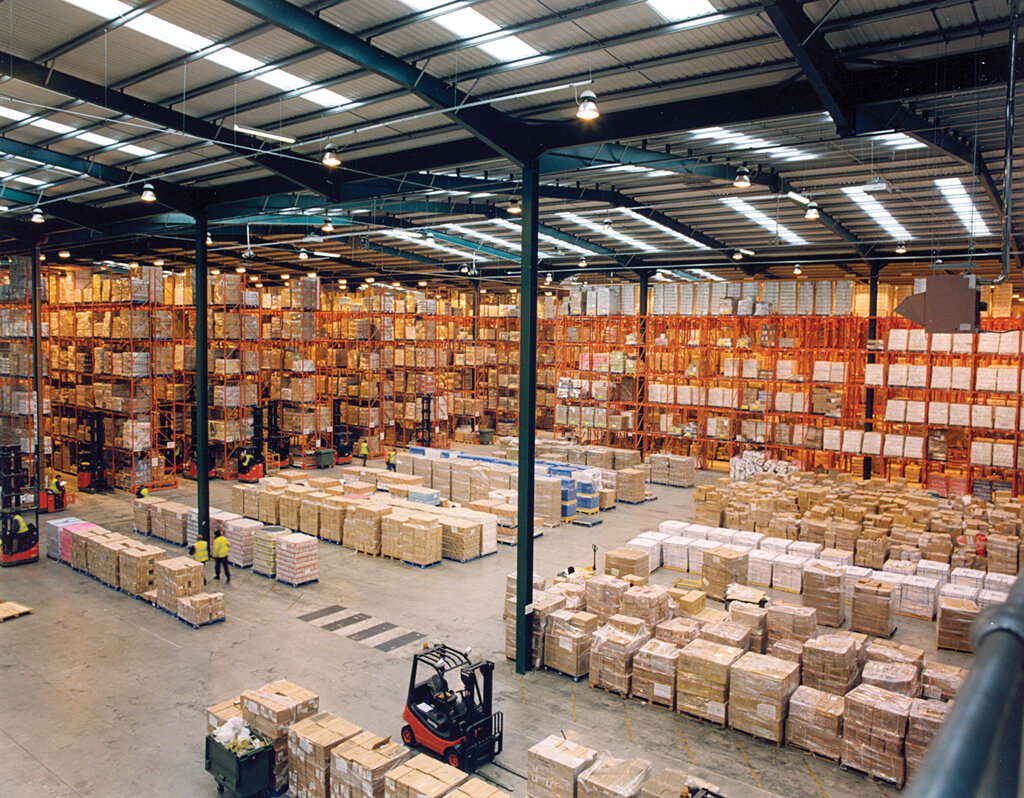
At its heart, inventory management is about balance. It’s the process of ordering, storing, and using a company's inventory. The goal is simple: have the right amount of the right items in the right place at the right time.
Getting this balance wrong is costly. Too much inventory means you're paying for storage space, and your products might become outdated or spoil before you can sell them. Too little inventory, and you risk running out of stock, which leads to lost sales and frustrated customers who might go to a competitor.
Inventory management is about maintaining the right balance of stock to meet demand without overstocking.
Effective inventory management helps a business know what it has, where it is, and when it needs more. It's a critical part of the supply chain that directly impacts profitability and customer satisfaction.
The Three Types of Inventory
Inventory isn't just one big pile of stuff. It's typically broken down into three main categories, representing different stages of the production process. Understanding these types helps businesses track their assets more accurately.
Raw Materials
noun
The basic components or ingredients used to create a product. These are the items a company purchases to be transformed into something else.
Think of a bakery. Its raw materials would be flour, sugar, eggs, and butter. For a car manufacturer, it would be steel, plastic, glass, and rubber. These items are waiting to be used in production.
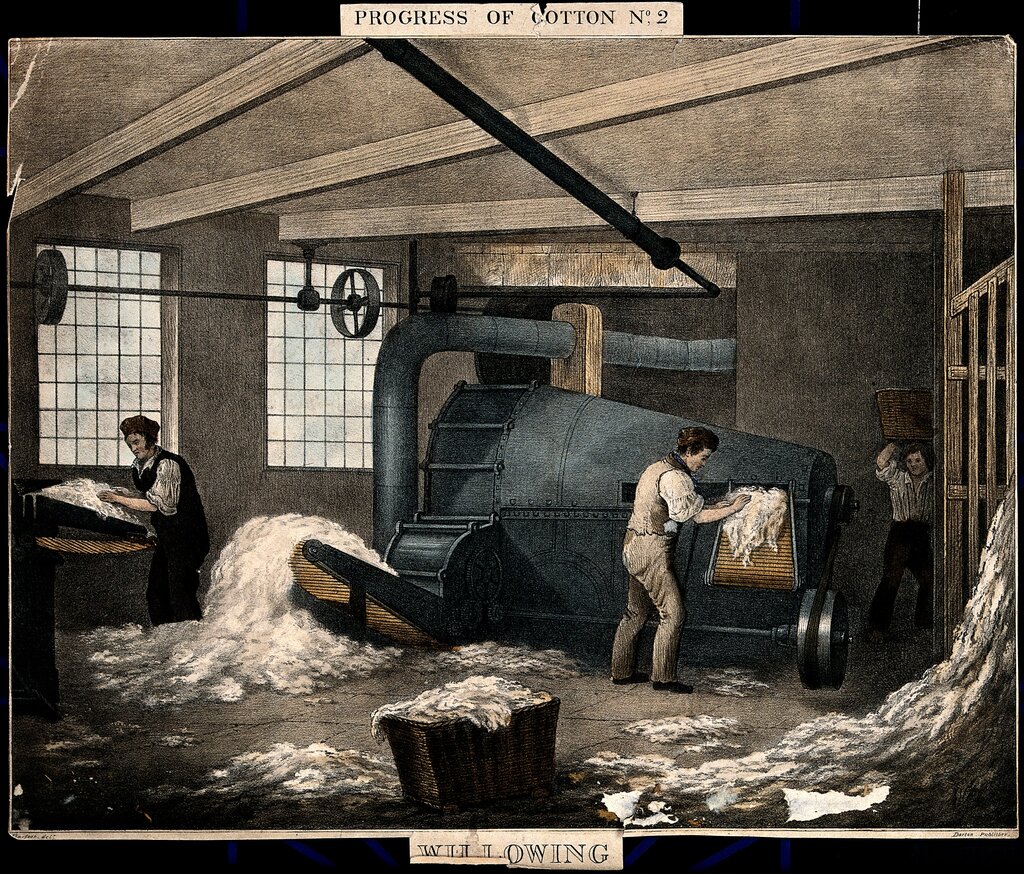
Next up are the items that are no longer raw materials but aren't yet finished products.
Work-in-Progress
noun
Partially finished goods that are still in the production process. This category includes raw materials that have been transformed but are not yet complete.
Imagine our bakery again. A bowl of mixed dough that's rising is work-in-progress (WIP) inventory. It's more than just raw materials, but it's not yet a loaf of bread. A car chassis on an assembly line is another example of WIP.
Finally, you have the items that are ready to be sold.
Finished Goods
noun
Completed products that are ready for sale to customers. This is the inventory that customers typically see and buy.
For our bakery, the finished goods are the fresh loaves of bread on the shelf. For the car manufacturer, it's the brand-new cars sitting in the dealership lot. These products have completed the production journey and are awaiting purchase.
Predicting the Future
So, how do businesses decide how much inventory to keep on hand? They can't just guess. This is where demand forecasting comes in.
Demand forecasting is the process of using historical sales data, market trends, and other information to estimate future customer demand for a product. It's a bit like being a weather forecaster, but for sales.
The goal isn't to be perfectly accurate, which is impossible, but to make an educated prediction that's close enough to avoid major stock issues.
A good forecast helps a company make smart decisions about how much to order and produce. For example, a retailer might analyze last year's sales data to predict how many winter coats they'll need for the upcoming cold season. They might also look at economic trends. Are people spending more or less this year? Is a new fashion trend making a certain style of coat more popular?
By answering these questions, they can stock their shelves more intelligently, ensuring they have enough coats for the winter rush without having a huge surplus left over in the spring.
What is the primary goal of inventory management?
A smartphone manufacturer has a stock of unassembled screens, batteries, and processors. What type of inventory is this?
Understanding these core concepts is the first step toward mastering the flow of goods through a business.