Warehouse Essentials
Warehouse Basics
What Is a Warehouse?
At its simplest, a warehouse is a large building where raw materials or manufactured goods are stored before they are sold or distributed. But it's much more than just a storage shed. Think of it as a crucial hub in the journey goods take from the factory to your front door.
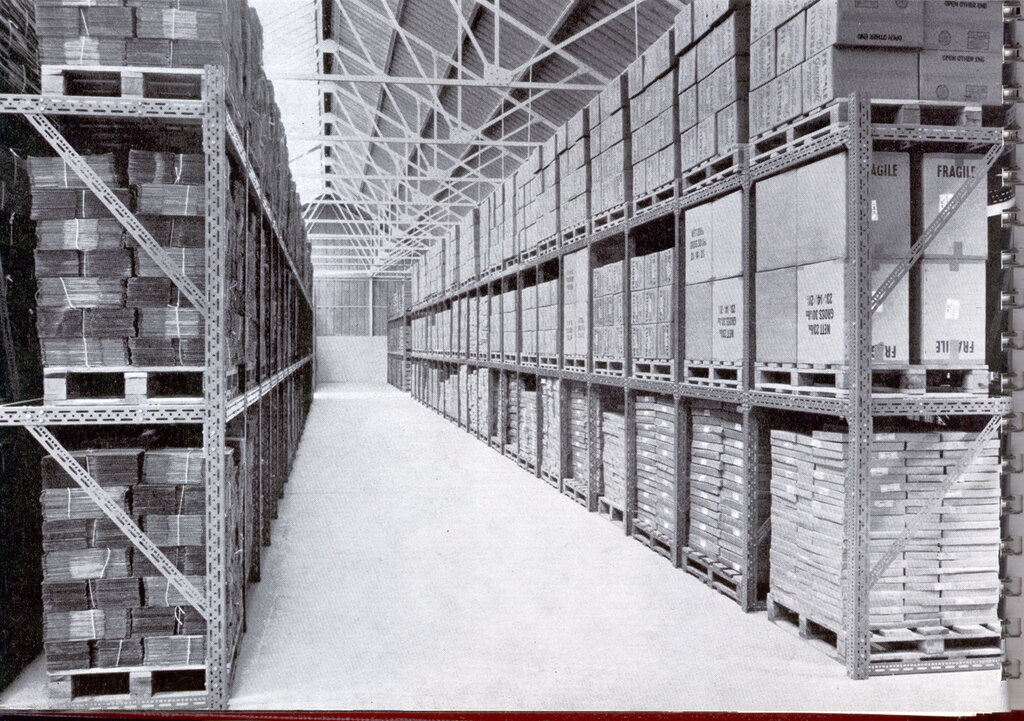
Everything you own, from your phone to the food in your pantry, likely spent time in a warehouse. These facilities are the backbone of the supply chain, ensuring that products are kept safe, organized, and ready to move to their next destination, whether it's a retail store or directly to a customer.
The Heart of the Supply Chain
A supply chain is the entire network involved in creating and selling a product, from the initial sourcing of materials to the final delivery. The warehouse sits right in the middle of this process, acting as a buffer and a control point. Its primary functions make this flow possible.
Storage is the most basic function. Warehouses provide a secure, controlled environment to hold goods, protecting them from damage, theft, and weather.
Beyond just holding items, a warehouse is central to inventory management. This means tracking every single item that comes in and goes out. Good inventory management ensures a company knows exactly what it has, where it is, and when to order more. It prevents stockouts (running out of a product) and overstocking (having too much money tied up in unsold goods).
Effective inventory management helps companies operate more sustainably, better utilize limited physical space, and reduce storage costs.
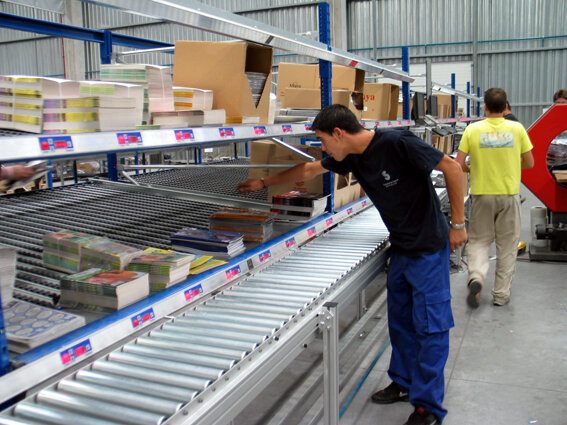
Finally, warehouses are critical for order fulfillment. When you click “buy now,” a process kicks into gear inside a warehouse. Workers or automated systems locate the items in your order (picking), prepare them for shipment (packing), and send them on their way. This has to happen quickly and accurately to keep customers happy.
Stabilizing Prices and Reducing Risk
Warehouses play a subtle but powerful role in the economy. By storing goods, companies can help stabilize prices. For example, a farmer can store grain after a harvest and sell it throughout the year, preventing a price crash from a sudden surplus and ensuring a steady supply during the off-season.
This ability to store goods also minimizes risk. It allows businesses to buy materials in bulk when prices are low, protecting them from future price hikes. It also creates a safety stock, a cushion of inventory that can be used if there's an unexpected surge in demand or a disruption in the supply chain, like a factory shutdown or a shipping delay. A well-stocked warehouse means a business can continue operating smoothly even when things go wrong.
Essentially, a warehouse gives a business control over its supply, allowing it to respond to market changes rather than just react to them.
Let's review the key concepts we've covered.
Ready to test your knowledge?
What is the primary role of a warehouse in the modern supply chain?
Effective inventory management primarily helps a company avoid which two problems?
Warehouses are fundamental building blocks of modern commerce, quietly ensuring products are available when and where we need them.