Wandering Jew Plant Trimming Guide
Understanding Wandering Jew Plants
Meet the Tradescantia
The plant commonly known as the Wandering Jew belongs to the genus Tradescantia. It's a popular houseplant, loved for its vibrant, often-striped leaves and its fast-growing, trailing nature. These plants are native to the Americas and come in a surprising number of varieties, each with its own unique look.
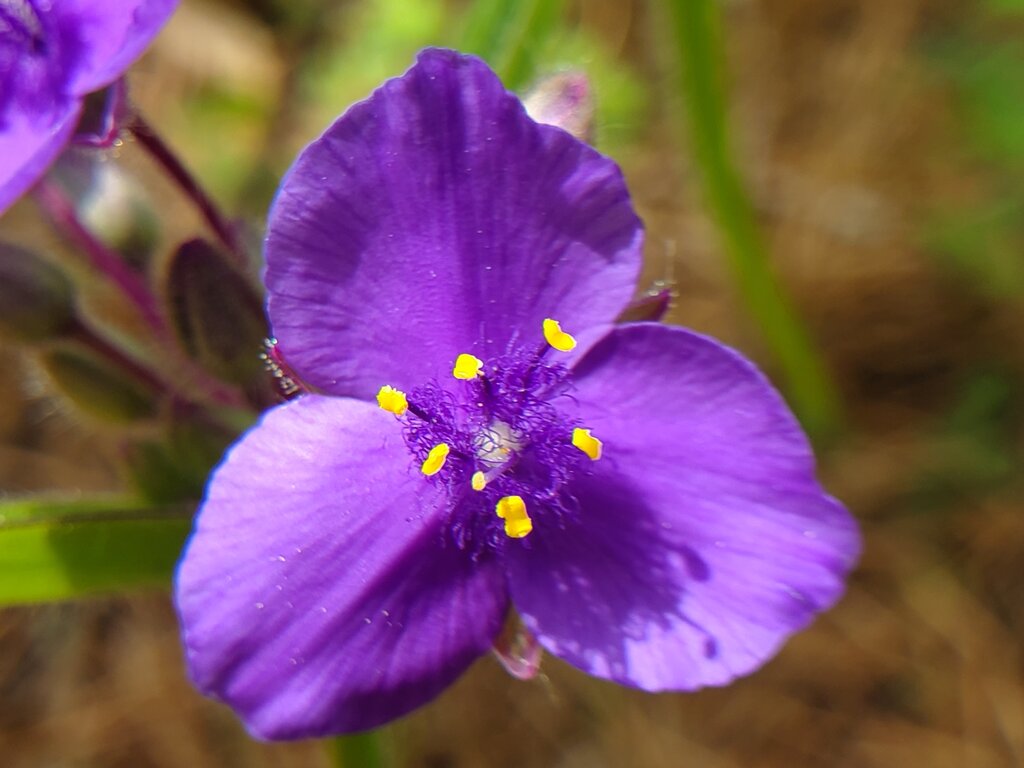
One of the most defining features of a Tradescantia is its flower. Though small, the flowers are distinctive, always having three petals. They can be purple, pink, or white and often appear in small clusters. While the foliage is the main attraction, these delicate blooms are a charming bonus.
The leaves are typically lance-shaped and grow alternately along fleshy, succulent-like stems. These stems are somewhat fragile and can snap easily, which is part of why the plant is so simple to propagate—a topic for another time. For now, just know that their structure is built for spreading out and covering ground.
Common Varieties
While there are dozens of species in the Tradescantia genus, a few have become household favorites. You're most likely to encounter one of these three.
Tradescantia zebrina: Often called the inch plant, this is probably the most iconic variety. It boasts striking purple and silver stripes on its leaves with a rich purple underside.
Tradescantia pallida: Known as Purple Heart, this plant is a showstopper with deep violet leaves and stems. It produces small, pale pink flowers.
Tradescantia fluminensis: This variety often features green leaves variegated with white or cream. It has a more delicate look compared to its purple cousins.
Here’s a quick breakdown to help you tell them apart.
| Variety | Common Leaf Colors | Flower Color |
|---|---|---|
| T. zebrina | Purple, green, and silver stripes | Pink or purple |
| T. pallida | Deep purple or violet | Light pink |
| T. fluminensis | Green, often with white or cream | White |
Growth and Care
Tradescantia plants are known for being vigorous growers. Their stems creep and trail, making them perfect for hanging baskets where their colorful foliage can cascade downwards. In their native habitats, they often act as a groundcover, spreading quickly to form a dense mat.
These plants thrive in bright, indirect light. Too much direct sun can scorch their leaves, while too little light will cause their vibrant colors to fade. You'll know the light is too low if the plant starts to look "leggy," with long, bare sections of stem between the leaves. They prefer well-draining soil and like to be kept moderately moist, but not soggy. It's best to let the top inch of soil dry out between waterings.
The key to a happy Tradescantia is balance: enough light to maintain its color, but not so much that it burns; enough water to stay hydrated, but not so much that its roots rot.
Time to review what we've learned.
Let's check your understanding.
The plant commonly known as the Wandering Jew belongs to which genus?
What is a defining characteristic of a Tradescantia flower?
Now that you can identify these plants and understand their basic needs, you have the foundation for keeping them healthy and vibrant.