WagonR Vehicle Repair Essentials
Vehicle Maintenance Basics
Keeping Your Car Healthy
Think of regular car maintenance like a check-up at the doctor. It's all about catching small problems before they become big, expensive ones. A well-maintained car is safer, more reliable, and holds its value better over time. Skipping routine care can lead to unexpected breakdowns and costly repairs down the road.
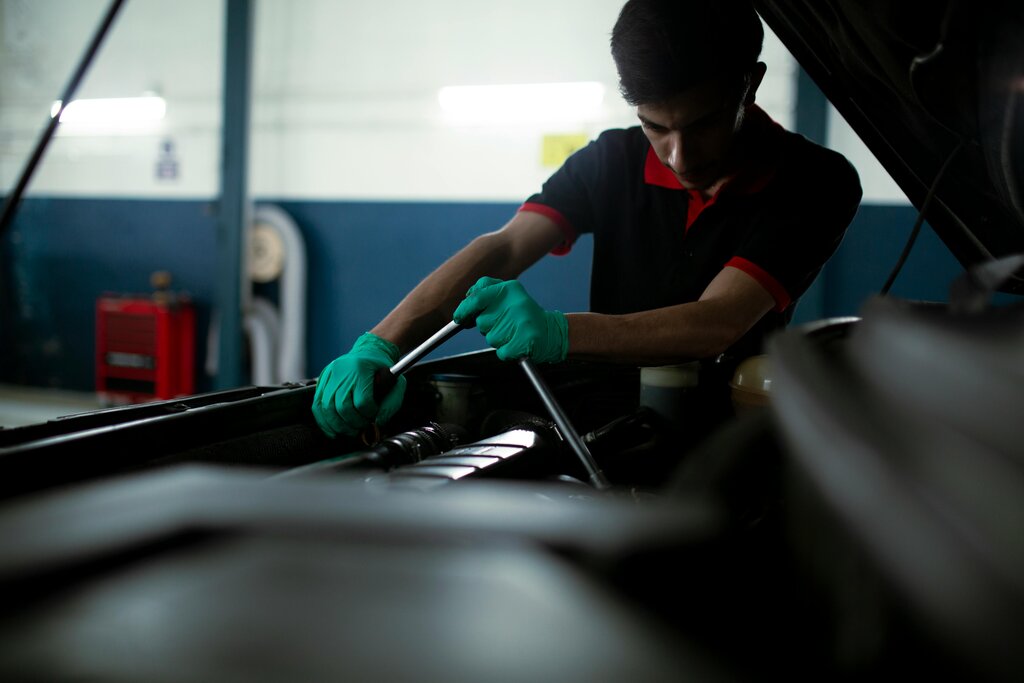
Regular engine maintenance helps in identifying potential problems at an early stage and resolving them before they cause severe damage to the car engine.
Putting in a little effort to keep up with maintenance saves you stress and money, ensuring your vehicle runs smoothly for years to come.
Your Car's Instruction Book
Every car comes with an owner's manual. It might be sitting in your glove compartment, unread. This book is your single most important tool for proper maintenance. It’s not just for figuring out how to set the clock; it contains a wealth of information specific to your vehicle's make and model.
The most critical section is the maintenance schedule. This is a timeline created by the engineers who designed your car, telling you exactly when to service different components. It lists when to change the oil, inspect the brakes, replace filters, and perform other vital tasks. Following this schedule is the best way to keep your car in top condition.
We recommend that all drivers check their owner’s manual thoroughly to learn more about the recommended maintenance schedule you should follow for your vehicle.
If you don't have the physical copy, you can almost always find a digital version on the manufacturer's website.
The Essential Checks
While the owner's manual provides a comprehensive schedule, there are a few basic checks you can do yourself between professional services. These simple inspections can make a big difference.
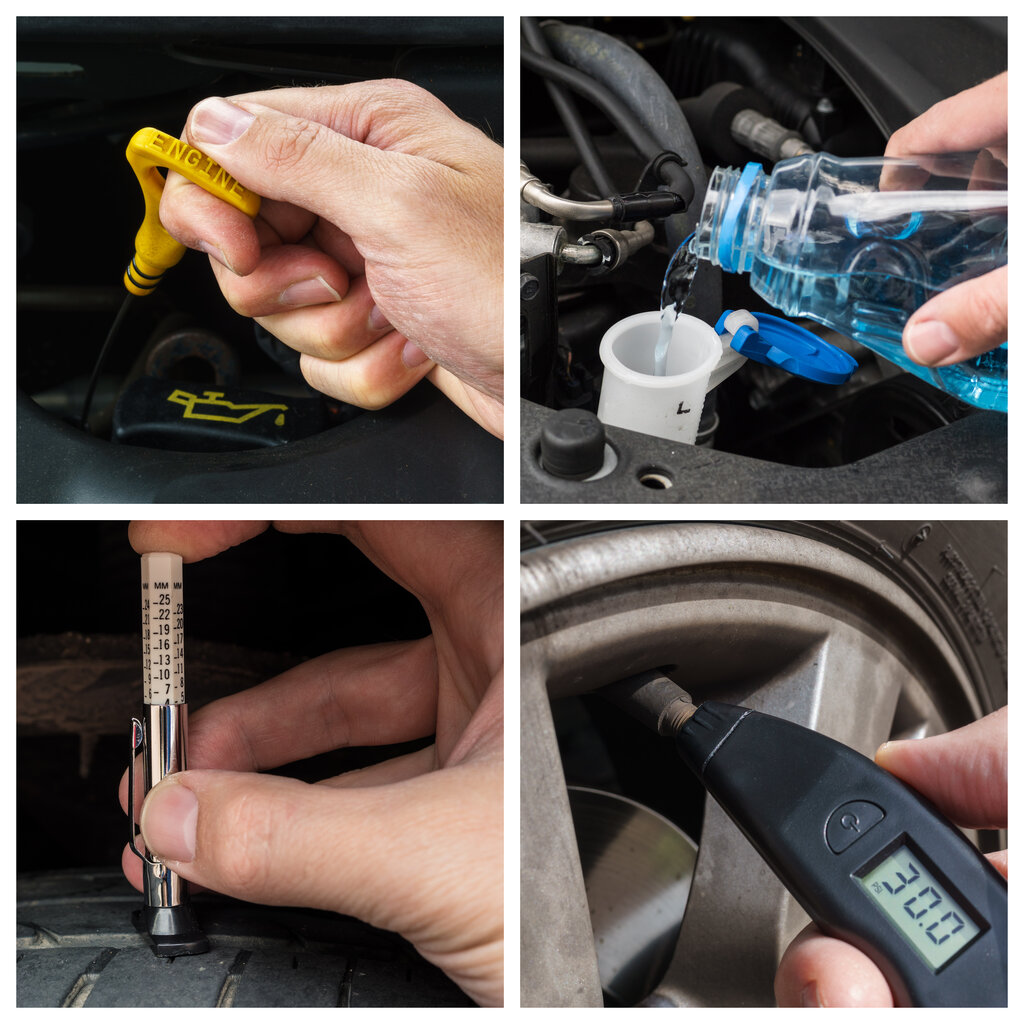
Engine Oil: Oil is the lifeblood of your engine. It lubricates moving parts, reduces friction, and helps keep the engine cool. Over time, oil breaks down and collects dirt. Check your oil level regularly using the dipstick. If it's low, top it up. If it looks dark and gritty, it’s probably time for an oil change.
Tires: Your tires are your car's only connection to the road. For safety and fuel efficiency, they need to be properly inflated. Use a tire pressure gauge to check the pressure when the tires are cold, and inflate them to the level recommended on the sticker inside your driver's side door. Also, take a look at the tread. If it looks worn down, your car may not grip the road properly, especially in wet conditions.
Fluids: Your car uses several other fluids to operate. These include coolant (or antifreeze) to prevent the engine from overheating, brake fluid to ensure your brakes work correctly, and windshield washer fluid for clear visibility. Most of these have transparent reservoirs in the engine bay with 'min' and 'max' lines, making it easy to see if they need to be topped up.
Pro Tip: Treat maintenance as part of driving. When you get gas, take two extra minutes to check something like tire pressure, oil level, or windshield washer fluid. Small habits build into big safety.
Listen to Your Car
Cars often give you warning signs when something is wrong. Paying attention to these clues can help you address issues before they escalate.
Warning Lights: The lights on your dashboard aren't decorations. A 'Check Engine' light, for instance, can indicate anything from a loose gas cap to a serious engine problem. Other lights warn you about issues with your brakes, oil pressure, or battery. Your owner's manual will explain what each symbol means.
Strange Noises: If you hear new or unusual sounds, pay attention. Squealing or grinding when you brake is a classic sign of worn brake pads. Clunking or knocking noises could point to suspension problems.
Different Sensations: How does the car feel? A new vibration, a pull to one side when you're driving straight, or a 'spongy' feeling when you press the brake pedal are all signs that something needs attention. Don't ignore these feelings; get them checked out by a professional.

Now that you understand the basics of why maintenance is important and what to look for, you're better equipped to take care of your vehicle.
What is the primary purpose of regular car maintenance?
Where is the most reliable place to find the recommended maintenance schedule specifically for your vehicle?