Wage and Hour Law Essentials
Introduction to Wage and Hour Law
The Basics of Fair Pay
In the United States, a foundational set of rules governs how workers must be paid. These rules are designed to ensure fair compensation and protect employees from exploitation. The cornerstone of this system is a federal law called the Fair Labor Standards Act, or FLSA.
Passed in 1938, the FLSA establishes a national standard for minimum wage, overtime pay, recordkeeping, and youth employment. Think of it as the baseline—the minimum requirements that most employers in the private and public sectors must follow. It sets a floor, not a ceiling, for worker protections.
Key Provisions
The FLSA is built on a few core principles that apply to most hourly, non-exempt workers. Let's break them down.
Minimum Wage: The FLSA sets a federal minimum wage. No covered employer can pay their employees less than this hourly rate. This rate can change based on new legislation.
Overtime Pay: This is a crucial part of the law. For any hours worked over 40 in a workweek, an employee must be paid at least one and a half times their regular rate of pay. A standard workweek is a fixed and regularly recurring period of 168 hours, or seven consecutive 24-hour periods. It doesn't have to be Monday through Sunday.
For example, if an employee's regular rate is 💲20 per hour and they work 45 hours in one week, they are entitled to 40 hours at 💲20 and 5 hours of overtime at 💲30 (1.5 x 💲20). Their total pay for the week would be 💲950.
Recordkeeping: Employers are required to keep accurate records of the hours worked and wages paid to their employees. This includes information like the employee's name, hours worked each day, and total earnings. These records are essential for ensuring compliance and resolving any disputes.
Child Labor: The FLSA also includes provisions to protect young workers. These rules restrict the hours that minors under the age of 16 can work and forbid them from being employed in jobs deemed too hazardous. The goal is to ensure that work does not jeopardize their health, well-being, or educational opportunities.
Enforcement and Compliance
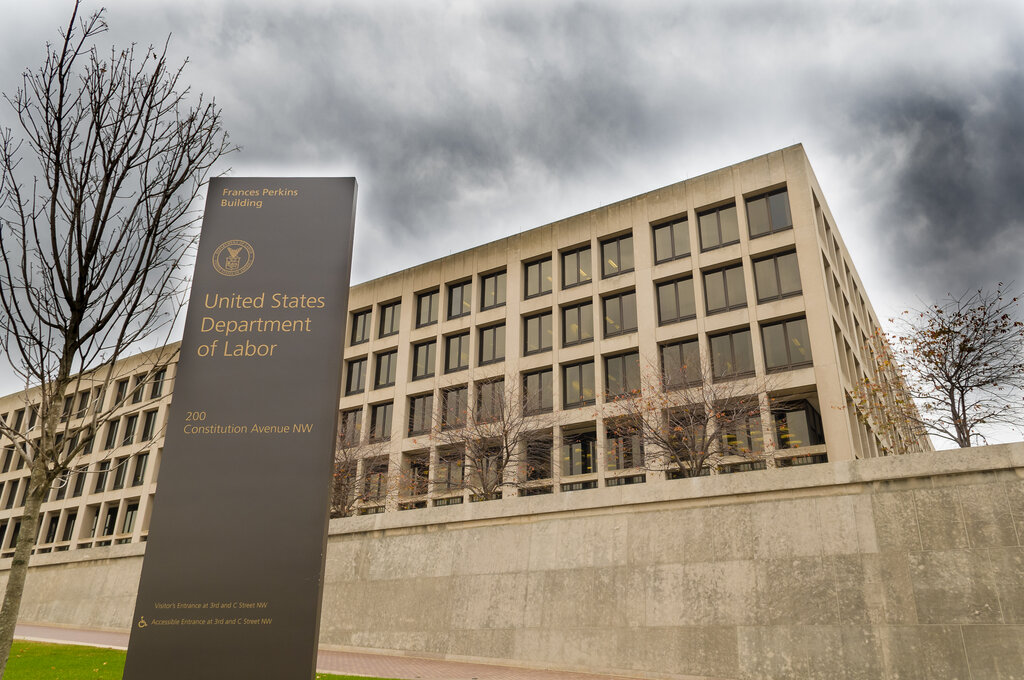
Who makes sure these rules are followed? That's the job of the U.S. Department of Labor's Wage and Hour Division, or WHD. The WHD has the authority to investigate workplaces, gather information about wages and hours, and enforce the law.
They conduct investigations, often prompted by complaints from employees, to determine whether employers are complying with the FLSA. If violations are found, the WHD can help recover back wages for employees and may recommend penalties for the employer.
To ensure compliance with wage and hour laws, employers must understand and apply federal and state regulations, accurately classify employees as exempt or non-exempt, and implement precise timekeeping systems.
Understanding these basic protections is important for everyone. For employers, compliance is a legal requirement that helps maintain a fair workplace. For employees, knowing your rights ensures you are paid fairly for your work. The FLSA creates a level playing field and provides a crucial safety net for millions of workers across the country.