Wacker Chemie Strategic Business Analysis
Integrated Business Structure
The Verbund Advantage
At the heart of Wacker Chemie's operational strategy is the 'Verbund' principle, a German term for an integrated production system. This isn't just about sharing pipes and power lines; it's a closed-loop philosophy where the byproducts of one process become the raw materials for another. This creates a highly efficient, cost-effective, and resource-conserving value chain.
Imagine a factory where almost nothing is wasted. The exhaust from one chemical reaction is the starting ingredient for a completely different product line. That's Verbund in action.
For instance, the production of silicones generates silanes as a byproduct. In a conventional setup, this might be treated as waste. At Wacker, these silanes are piped directly into other facilities to become the primary feedstock for high-tech products like polysilicon for the semiconductor industry or fumed silica for adhesives and paints. This material integration minimizes waste, reduces transport needs, and lowers overall production costs.
Four Pillars of Strength
Wacker’s business is built on four distinct pillars: Silicones, Polymers, Polysilicon, and Biosolutions. This structure provides a natural hedge against market volatility. A downturn in the construction industry might affect the Polymers division, which makes binders for paints, but surging demand for electronics could simultaneously boost the Polysilicon division.
| Division | Key Products | Role in Verbund System |
|---|---|---|
| Silicones | Sealants, elastomers, fluids, gels | Core of the silicon chemistry chain; provides silane byproducts. |
| Polymers | Dispersions, resins, powders | Uses ethylene to create binders for construction, paints, and adhesives. |
| Polysilicon | High-purity silicon for solar & semis | Consumes silane byproducts from silicone production. |
| Biosolutions | Fermentation-based chemicals, biologics | Leverages biotech processes for food, pharma, and agriculture. |
Global Reach, Local Challenges
While headquartered in Munich, Wacker is a global player, generating a staggering 84% of its sales outside Germany. This international footprint is a strategic necessity, driven partly by the need to be close to high-growth markets and partly by challenges at home.
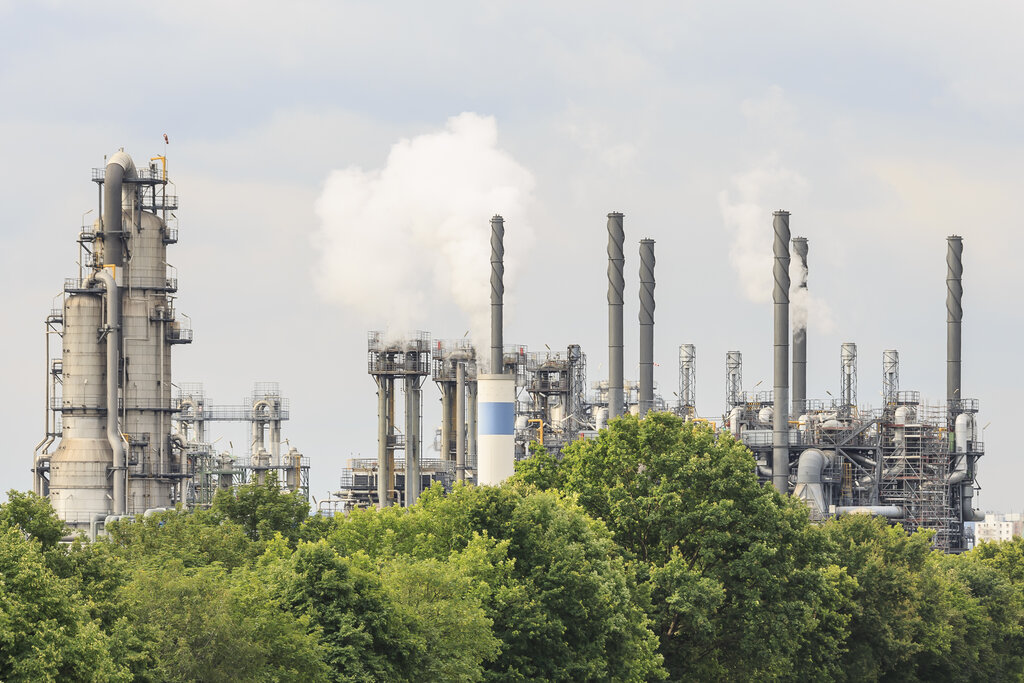
High energy prices in Germany have made it difficult to compete in energy-intensive sectors like polysilicon production. In response, Wacker has strategically expanded its manufacturing base in regions with lower energy costs and strong market demand. Key sites include a massive integrated complex in Zhangjiagang, China, and a state-of-the-art polysilicon plant in Tennessee, USA.
To further combat cost pressures, the company launched the restructuring program. With 2024 group sales projected around €5.72 billion, this program is designed to streamline operations and achieve annual savings of approximately €300 million, ensuring the company remains competitive in a challenging global environment.
Time to check your understanding of Wacker's integrated business structure.
What is the core concept of Wacker Chemie's 'Verbund' principle?
Which of the following is NOT one of Wacker's four main business divisions?
This integrated, diversified, and global approach forms the foundation of Wacker's resilience and competitive strength.