VR GIS for Disaster Response
Introduction to Virtual Reality
Entering a New Reality
Virtual Reality, or VR, is a technology that creates a simulated environment. Instead of viewing a screen in front of you, you're placed inside an experience. You can be transported to a different world, whether it's the surface of Mars or the inside of a human cell. It's not just about seeing; it's about being present in a new reality.
Virtual Reality
noun
A computer-generated simulation of a three-dimensional image or environment that can be interacted with in a seemingly real or physical way by a person using special electronic equipment, such as a helmet with a screen inside or gloves fitted with sensors.
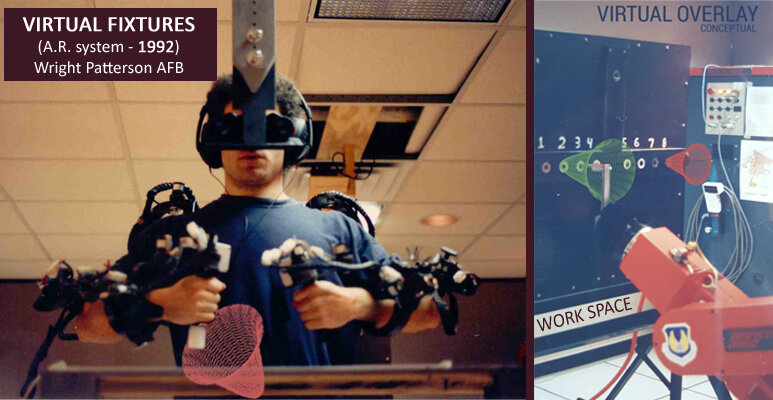
The idea isn't new. For decades, visionaries dreamed of immersive, computer-generated worlds. Early attempts in the 1960s were bulky and limited, and for a long time, VR was more science fiction than reality. But advances in computing power, screen technology, and motion tracking have finally made convincing VR possible and accessible.
The Building Blocks of VR
A modern VR experience relies on a few key components working together. It all starts with the hardware. The most essential piece is the headset, which holds a high-resolution screen for each eye. This creates a stereoscopic 3D image, tricking your brain into perceiving depth. Lenses in the headset focus and reshape the picture to give you a wide field of view, making the virtual world feel like it surrounds you.
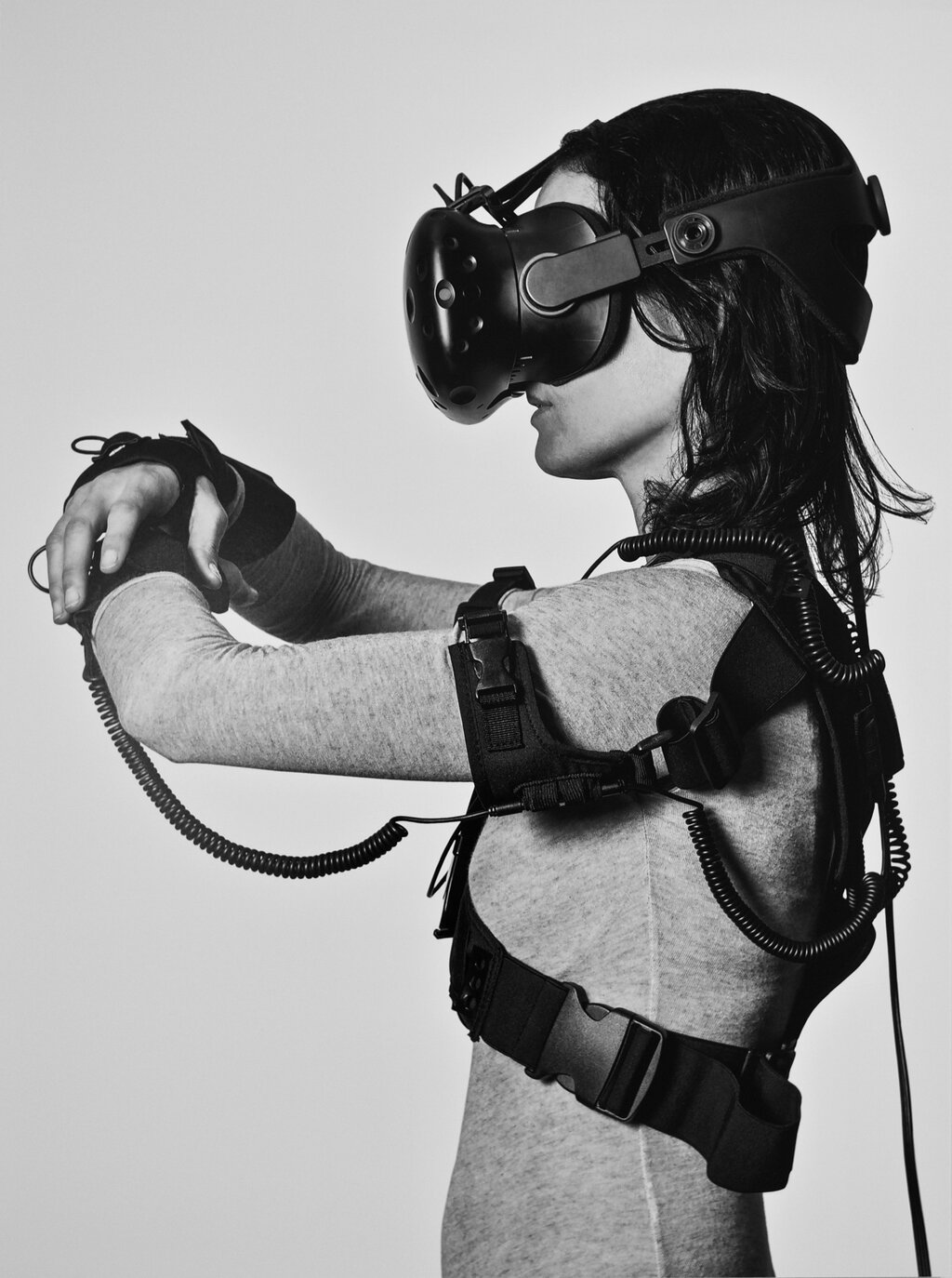
But a virtual world isn't convincing if you can't interact with it. Handheld controllers and tracking systems are the next crucial piece. Sensors in the headset and around the room track your head's position and orientation. When you look left, the world turns with you. The controllers act as your hands, letting you pick up objects, press buttons, or wield tools in the simulation. More advanced systems can even track your entire body.
Of course, hardware is nothing without software. Specialized software engines generate these interactive 3D worlds in real-time. They have to respond instantly to your movements to maintain the illusion of presence and avoid causing motion sickness. This combination of responsive hardware and powerful software is what makes modern VR feel so real.
Applications Beyond Gaming
While gaming is what brought VR into the mainstream, its applications reach much further. In education, students can take virtual field trips to ancient Rome or explore the human bloodstream. In healthcare, surgeons practice complex procedures in a risk-free environment, and therapists use VR to treat phobias and PTSD.
VR-based systems surpass the potential limitations of traditional training approaches in facilitating interactive engagement among students.
Engineers and architects use VR to walk through buildings before they're built, catching design flaws early. The technology is also transforming training for complex jobs, from pilots learning to fly to technicians practicing repairs on expensive machinery.
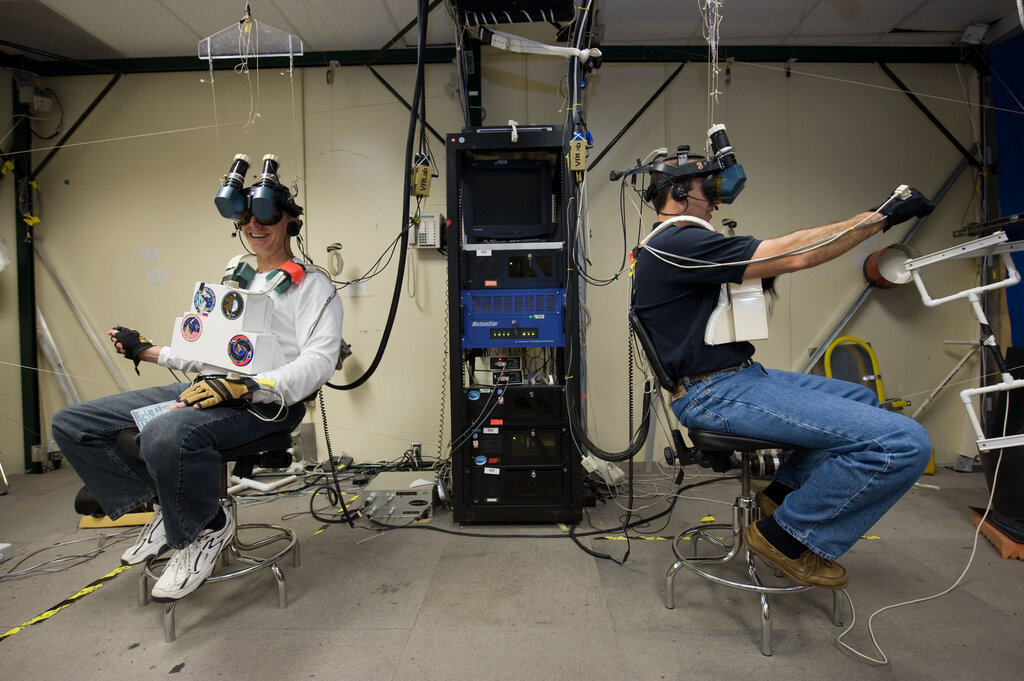
One of the most impactful uses of VR is in disaster response. Before a crisis happens, emergency responders can train for complex scenarios like earthquakes, floods, or fires. These simulations allow teams to practice coordination, decision-making, and evacuation procedures in a realistic but safe setting. After a disaster, VR can be used to create 3D models of affected areas, helping teams plan recovery efforts and assess damage without putting more people at risk. This ability to visualize and interact with a crisis situation provides an invaluable tool for saving lives and managing chaos.