VPN Setup for Private Browsing
Introduction to VPNs
What is a VPN?
A Virtual Private Network, or VPN, creates a secure, private connection for you over the public internet. Think of it like building a private tunnel for your data to travel through. Instead of your information being out in the open, it's shielded from anyone who might be watching, like your Internet Service Provider (ISP), advertisers, or hackers.
A virtual private network (VPN) gives you online privacy and anonymity by creating a private network from a public internet connection.
When you browse the web normally, your device connects directly to your ISP, which then connects you to the websites you want to visit. Your ISP can see every site you go to. When you use a VPN, you first connect to a secure server run by the VPN provider. All your internet traffic then goes through this private server, making your online activities much harder to trace back to you.
How It Works
VPNs use a few key techniques to protect your connection. The three most important are tunneling, encryption, and IP masking.
Tunneling is the process of creating that private passageway for your data. Your entire internet connection is routed through this secure tunnel to the VPN server.
Encryption scrambles your data while it's inside the tunnel. If anyone manages to intercept your traffic, all they'll see is unreadable code. This is what keeps your information safe from snoopers, especially on public Wi-Fi networks.
IP Masking hides your real IP address, which is like the home address for your device on the internet. When you connect through a VPN, websites and online services see the IP address of the VPN server, not your own. This masks your true location and helps make you more anonymous online.
The Benefits of Privacy
Using a VPN offers several key advantages for your online life. The most significant is enhanced privacy. Without a VPN, your ISP has a complete record of your browsing history. Advertisers build a profile on you based on your IP address and online habits. A VPN shields this activity, giving you more control over your personal data.
Security is another major benefit. Public Wi-Fi networks, like those in coffee shops or airports, are notoriously insecure. Hackers can easily position themselves on these networks to steal passwords, credit card numbers, and other sensitive information. By encrypting your connection, a VPN makes your data useless to anyone who might intercept it.
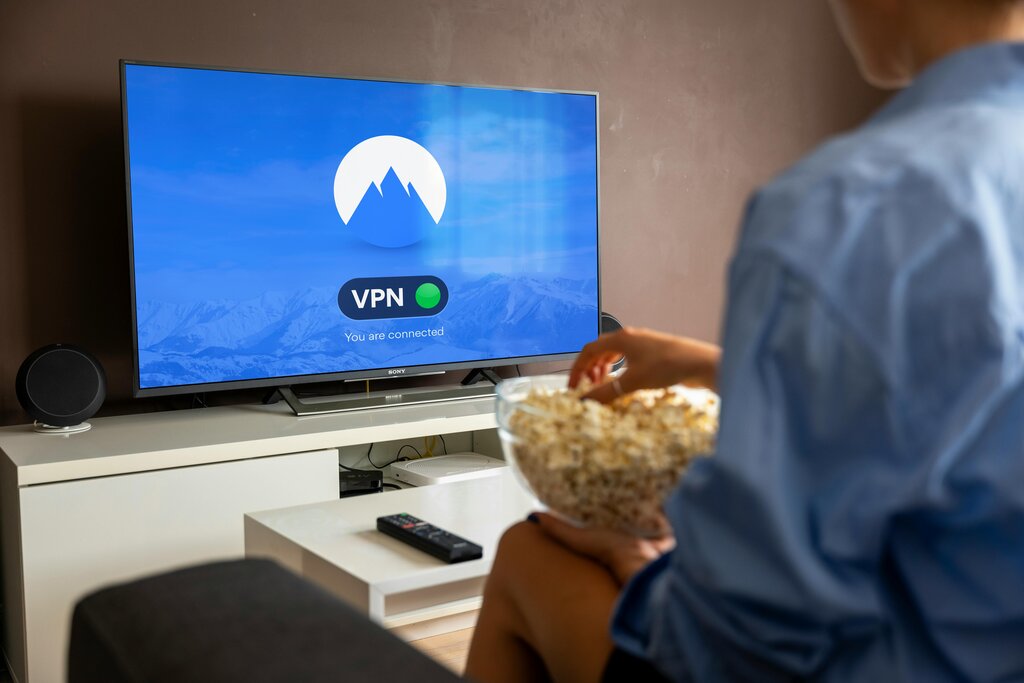
Finally, a VPN can help you access a more open internet. Because it masks your location, you can often bypass geographic restrictions on websites and streaming services. This allows you to view content as if you were browsing from a different country.
At its core, a VPN is a powerful tool for taking back control of your privacy and security in an increasingly public digital world.
Ready to check your understanding?
What is the primary function of a Virtual Private Network (VPN)?
Which VPN technique is responsible for scrambling your data to make it unreadable to anyone who might intercept it?
Now you have a solid grasp of what a VPN is, how it works, and why it's a valuable tool for anyone who uses the internet.