VPN Fundamentals
Introduction to VPNs
What Is a VPN?
Think of the internet as a busy public highway. When you visit a website, your data travels on this highway in a car that anyone can look into. Your Internet Service Provider (ISP), websites, and advertisers can all see where you're going and what you're doing.
A Virtual Private Network, or VPN, builds a private, encrypted tunnel through that public highway. Instead of your data traveling in a transparent car, it's inside an armored truck. No one can see inside, and no one knows its final destination until it gets there. It makes your connection secure and private.
A VPN (Virtual Private Network) is a technology that creates a secure and encrypted connection over the Internet.
This secure connection shields your online activities from being easily tracked or monitored. It's a fundamental tool for digital privacy.
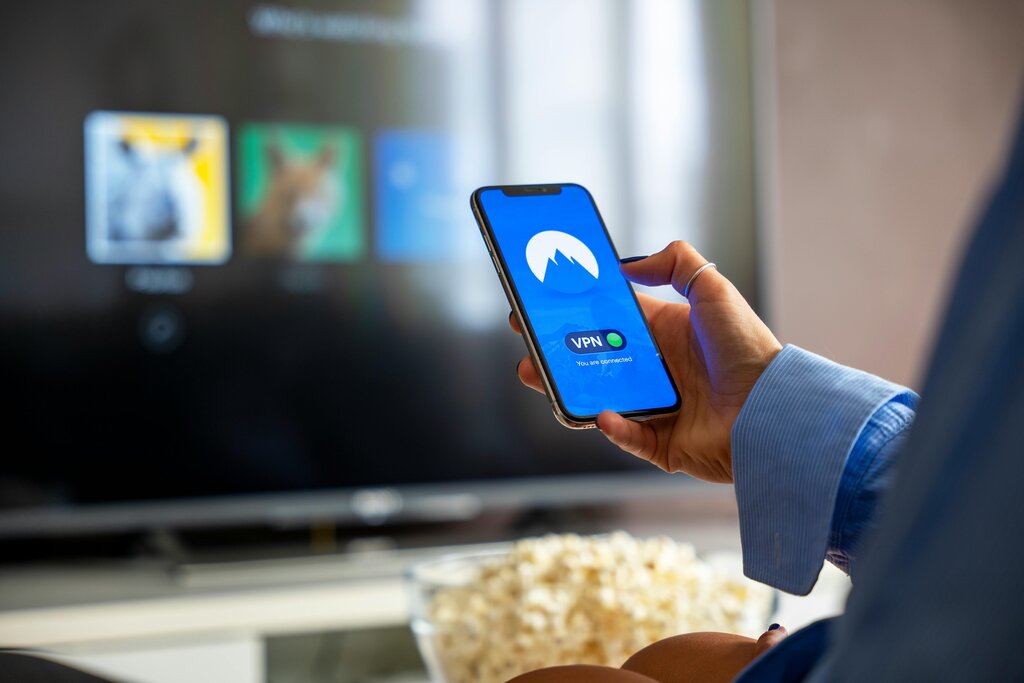
How It Works
When you use a VPN, you're not connecting directly to the internet. First, you connect to a server owned by your VPN provider. This connection happens through an encrypted tunnel. From there, the VPN server connects to the website you want to visit on your behalf.
This process has two key effects:
- It hides your IP address. Websites you visit see the VPN server's IP address, not yours. Your IP address is a unique number that can identify your location, kind of like a digital home address.
- It encrypts your traffic. The connection between your device and the VPN server is scrambled, making it unreadable to anyone who might try to intercept it, including your ISP.
The basic components are the VPN app on your device (the client), the provider's server, and the secure tunnel connecting them. That's it. Good VPNs make this process seamless, often just requiring a single click to connect.
Common Uses for VPNs
People use VPNs for several reasons, all boiling down to privacy, security, and access.
Securing Public Wi-Fi: When you use Wi-Fi at a coffee shop, airport, or hotel, you're on a public network. These are often unsecured, making it easier for others on the same network to snoop on your activity. A VPN encrypts your connection, keeping your data safe from prying eyes.
Enhancing Online Privacy: Your ISP can see every website you visit. Websites and advertisers track your IP address to build a profile about you. A VPN prevents this by masking your IP address and encrypting your traffic, giving you a greater degree of anonymity.
Accessing Content: Some content or services are only available in certain countries. This is called geo-restriction. By connecting to a VPN server in a different country, you can make it appear as if you are browsing from that location, often unlocking access to that content.
Encryption
noun
The process of converting information or data into a code, especially to prevent unauthorized access.
At its core, a VPN is a straightforward tool that puts a layer of privacy and security between you and the open internet.