VP of Engineering Interview Prep
Role Overview
The Role of the VP of Engineering
The Vice President of Engineering sits at the intersection of technology, people, and business strategy. This isn't a hands-on coding role; it's a senior leadership position focused on guiding the entire engineering department to success. The VP ensures that the company's technical vision aligns with its overall goals, acting as the crucial link between the engineering team and the executive suite.
At its core, the job is about building and leading a high-performing engineering organization. This means creating a culture where engineers can thrive, grow, and do their best work. They are responsible for the 'how'—how the team builds products, how it scales, and how it operates efficiently.
They balance technical responsibilities with people management, acting as a bridge between engineers and upper management.
Key Responsibilities
The responsibilities of a VP of Engineering are broad, covering everything from people management to financial planning. They are ultimately accountable for the output and health of the entire engineering department.
A key part of the role is strategic alignment. The VP of Engineering works closely with other leaders, like the VP of Product and the Chief Technology Officer (CTO), to ensure the engineering roadmap supports the company's long-term vision. While a CTO might focus more on future technology and external-facing technical evangelism, the VP of Engineering is typically more internally focused on the team and its execution.
The Path to VP
The journey to becoming a VP of Engineering is a gradual climb up the leadership ladder. It requires a deliberate shift from being an individual contributor to a manager, and then from a manager of engineers to a manager of managers.
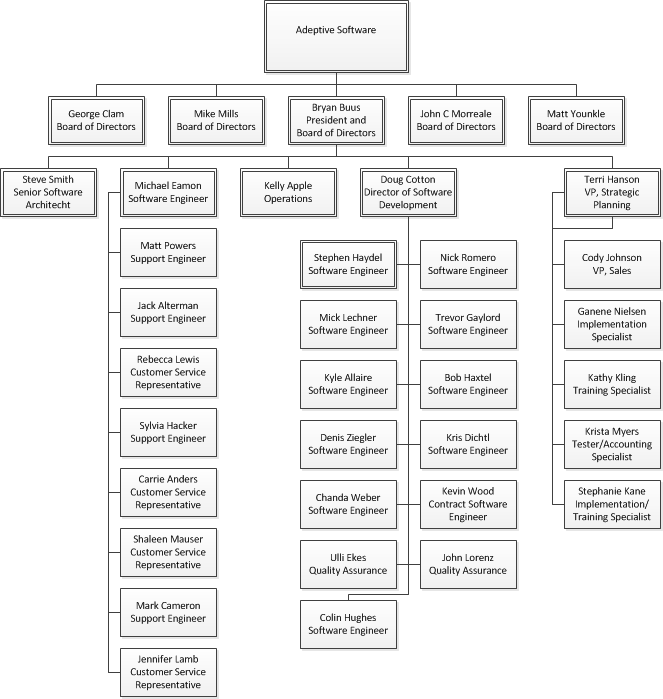
The typical progression looks something like this:
- Software Engineer: An individual contributor focused on writing code and solving technical problems.
- Senior Engineer / Tech Lead: Begins to mentor junior engineers and take ownership of larger features or systems.
- Engineering Manager: The first formal management role. The focus shifts from coding to managing a team of engineers, conducting one-on-ones, and overseeing project delivery.
- Director of Engineering: Manages multiple engineering teams, often by managing other Engineering Managers. The focus becomes more strategic, dealing with cross-team initiatives and departmental planning.
- VP of Engineering: Oversees the entire engineering function, managing directors and setting the high-level strategy for the whole department.
Each step requires letting go of old responsibilities to make room for new ones. A Director who still tries to code every day will likely struggle to manage multiple teams effectively.
Success in this role requires a strong foundation in technology, but exceptional leadership, communication, and strategic thinking are what truly set a great VP of Engineering apart. It’s a challenging but rewarding position for those who enjoy building not just products, but also the teams and systems that create them.
What is the primary focus of a Vice President of Engineering?
True or False: The VP of Engineering role is primarily concerned with the 'what' (what products to build), while the VP of Product is concerned with the 'how' (how the team builds them).