Volkswagen Eos Spark Plug Replacement
Understanding Spark Plugs
The All-Important Spark
Think of a spark plug as the match that lights the fire in your engine. It's a small but critical part of the ignition system. Its job is to create a tiny, controlled bolt of lightning inside each cylinder.
This spark ignites the mixture of air and fuel that has been compressed by the piston. The resulting explosion pushes the piston down, turning the crankshaft and ultimately moving your vehicle. This process happens thousands of times per minute. Without that precisely timed spark, the fuel and air mixture wouldn't ignite, and the engine wouldn't run.
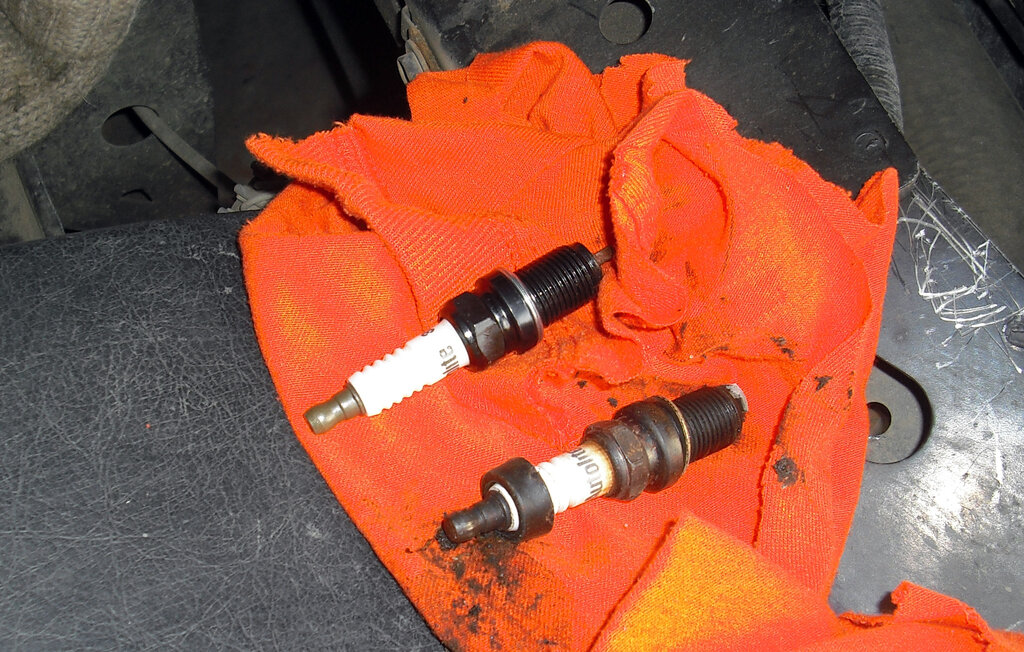
The spark plug has to perform this job under extreme conditions. It endures intense heat, high pressure, and chemical corrosion from fuel and exhaust gases. Over time, the materials that create the spark erode, widening the gap the electricity must jump. When this gap becomes too large, the spark weakens, leading to performance issues.
Types of Spark Plugs
Not all spark plugs are created equal. They are typically categorized by the material used for their center electrode. This material choice is a trade-off between performance, longevity, and cost.
| Type | Center Electrode | Lifespan | Key Feature |
|---|---|---|---|
| Copper | Nickel alloy (with copper core) | 20,000–30,000 miles | Best conductor, but wears fastest |
| Platinum | Platinum | 60,000–100,000 miles | More durable than copper, good longevity |
| Iridium | Iridium | 100,000–120,000 miles | Hardest and most durable, longest life |
Copper plugs have the largest diameter electrode but offer the best electrical conductivity. This makes them a great choice for older vehicles or high-performance engines that need a strong, consistent spark.
Platinum and iridium plugs have much finer electrodes. Because these metals are harder and have higher melting points than nickel alloy, they resist erosion for much longer. This allows them to maintain a precise spark gap for tens of thousands of miles, making them the standard choice for most modern cars.
Signs of a Failing Spark Plug
When spark plugs start to wear out, they give several warning signs. A weak or inconsistent spark can disrupt the smooth operation of the engine.
Engine Misfires: You might feel a hesitation or stumble from the engine, especially under acceleration. A misfire means one of the cylinders failed to ignite its fuel mixture properly.
Other common symptoms include:
- Rough Idling: The engine sounds and feels shaky or uneven when the car is stopped.
- Poor Acceleration: The car feels sluggish and doesn't respond as quickly when you press the gas pedal.
- Increased Fuel Consumption: When the fuel-air mixture isn't burned efficiently, the engine has to work harder, using more fuel to produce the same amount of power.
- Difficulty Starting: If the spark is too weak to ignite the fuel mixture, the engine may crank for a long time before it starts, or it might not start at all.
Recognizing these signs early can save you from more significant engine trouble down the road. Now, let's see what you've learned about this crucial component.
What is the primary function of a spark plug in an internal combustion engine?
A car is experiencing rough idling and sluggish acceleration. Based on the text, what is a likely cause related to the spark plugs?