Voices of the Diaspora Early Black Women Writers
Historical Context
A World in Upheaval
To understand the first Black women writers in America, we first need to understand the world they were born into. Between 1745 and 1865, the Americas were a place of immense turmoil and brutal contradiction. Nations were founded on the ideals of freedom while simultaneously building their economies on the backs of enslaved people.
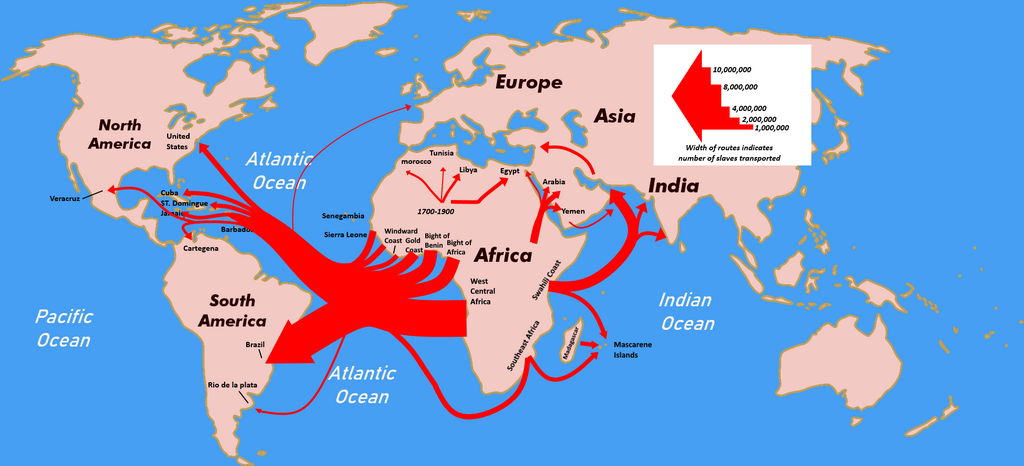
The transatlantic slave trade was a massive, forced migration that tore millions of Africans from their homes. For centuries, European ships sailed to Africa, trading goods for people, who were then packed into horrific conditions for the journey across the Atlantic, known as the Middle Passage. This trade didn't just devastate individuals and families; it destabilized entire African societies, creating cycles of violence and disrupting social and economic structures.
As a result of the slave trade, everyone who lived or came to live in the Americas was impacted one way or the other by this history.
Life Under Slavery
Once in the Americas, the lives of enslaved people were defined by forced labor and the complete denial of basic human rights. In North America and the Caribbean, the institution of slavery was a system of chattel slavery. This meant that enslaved people were legally considered property, who could be bought, sold, and inherited.
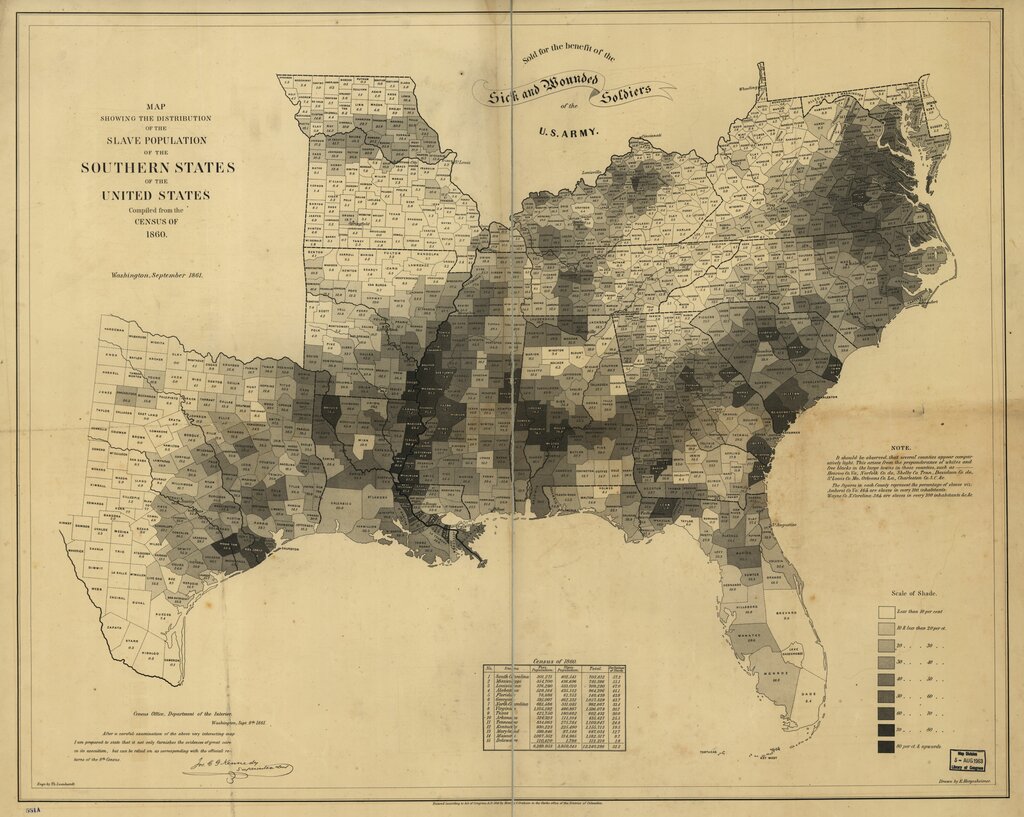
The daily reality was grueling. Most enslaved people worked on plantations, cultivating cash crops like sugar, tobacco, and cotton under the constant threat of violence. Family structures were fragile, as owners could sell parents, children, and spouses away from each other at any moment. For Black women, this reality was compounded by unique burdens. They performed the same backbreaking labor as men but were also responsible for domestic chores, child-rearing, and were subjected to sexual exploitation by their enslavers.
Despite these oppressive conditions, enslaved women were not just victims. They were pillars of their communities, preserving cultural traditions, resisting dehumanization, and fighting for their families' survival.
Voices for Freedom
As the 18th and 19th centuries progressed, opposition to slavery grew. The abolitionist movement, a social and political effort to end slavery, gained momentum in both the United States and Great Britain. It was a diverse coalition of activists, including formerly enslaved people, religious groups, and white allies.
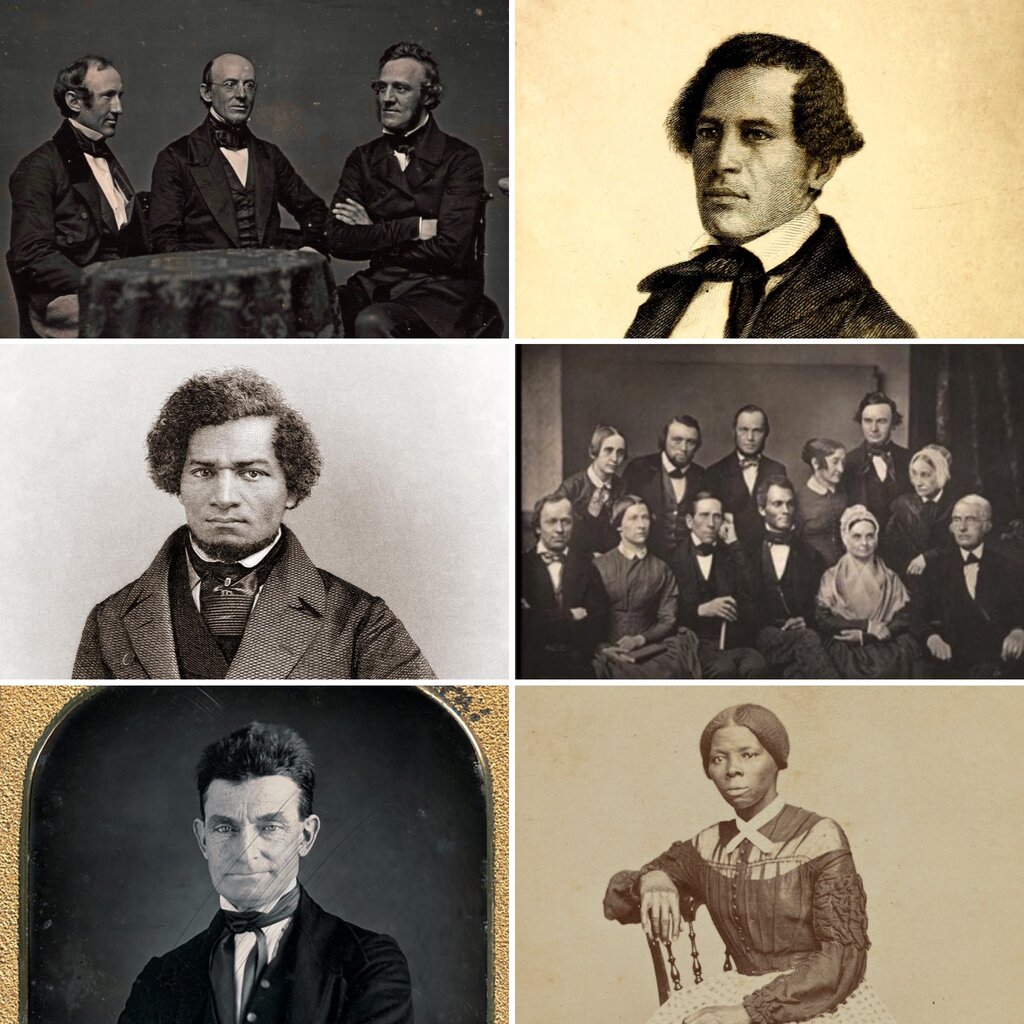
This movement was a powerful force for change. Abolitionists published newspapers, organized petitions, and held public meetings to expose the horrors of slavery. Their work created a public platform where the voices of Black people could be heard. For many early Black writers, the abolitionist movement provided not only a cause to write for but also the means and audience to do so. Their narratives became crucial tools in the fight for freedom, offering firsthand testimony of slavery's brutality.
Building a New World
Even within a society defined by slavery, free Black communities emerged and grew, particularly in Northern cities. These communities were established by people who had been manumitted (freed), had bought their own freedom, or had escaped from enslavement. Though they still faced intense racism and discrimination, they built their own institutions.
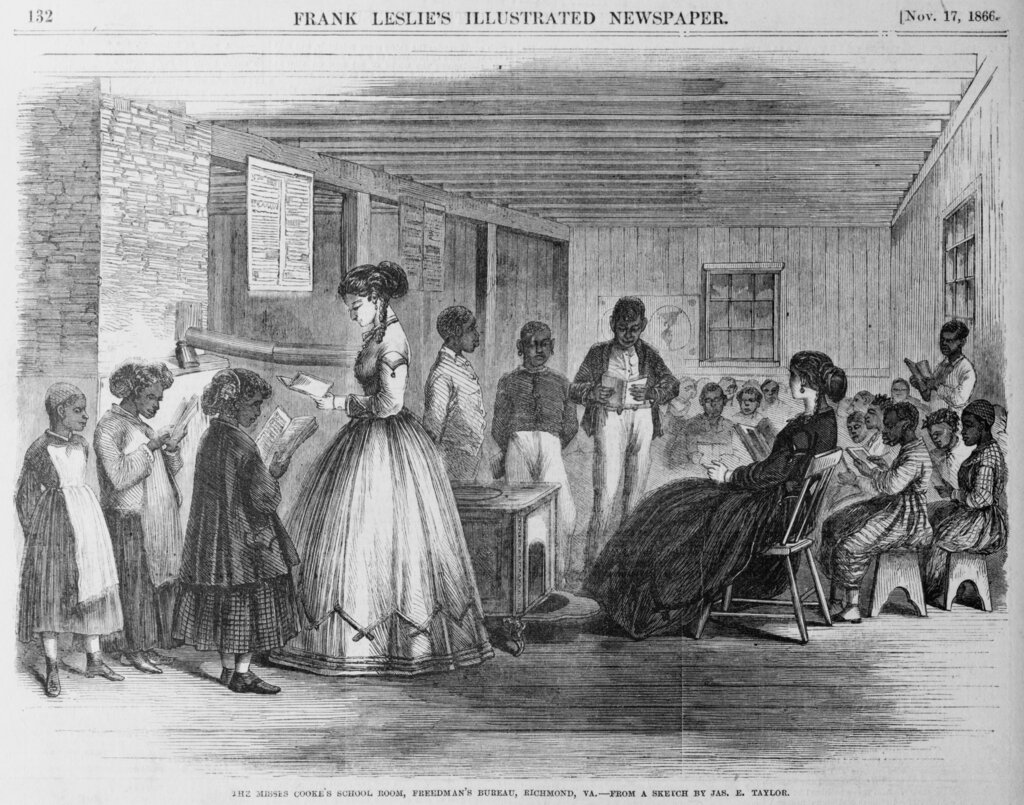
Churches, schools, and mutual aid societies became the cornerstones of these communities. They were vibrant centers of cultural life, fostering the development of Black art, music, and literature. For aspiring writers, these communities offered a supportive network and an intellectual space where their ideas could be nurtured. This foundation of literacy and cultural expression was essential for the first Black women who dared to put their stories, poems, and essays onto paper.
Now, let's test your understanding of this crucial historical period.
What did the system of "chattel slavery," as practiced in North America, legally define enslaved people as?
What was a primary role of the abolitionist movement for the first Black writers?
This context of struggle, resistance, and community-building is the soil from which the earliest Black American literature grew. It shaped the themes these writers explored and the urgent purpose behind their words.