Voice Network Engineering Fundamentals
Introduction to Voice Network Engineering
From Wires to the Web
For over a century, making a phone call was a physical act. When you picked up a landline phone, you were connecting to a vast, intricate network of physical wires and switches. Your voice would travel as an electrical current over copper cables, sometimes for thousands of miles, to reach the person on the other end. This system, a marvel of engineering for its time, was known as the Public Switched Telephone Network, or PSTN.
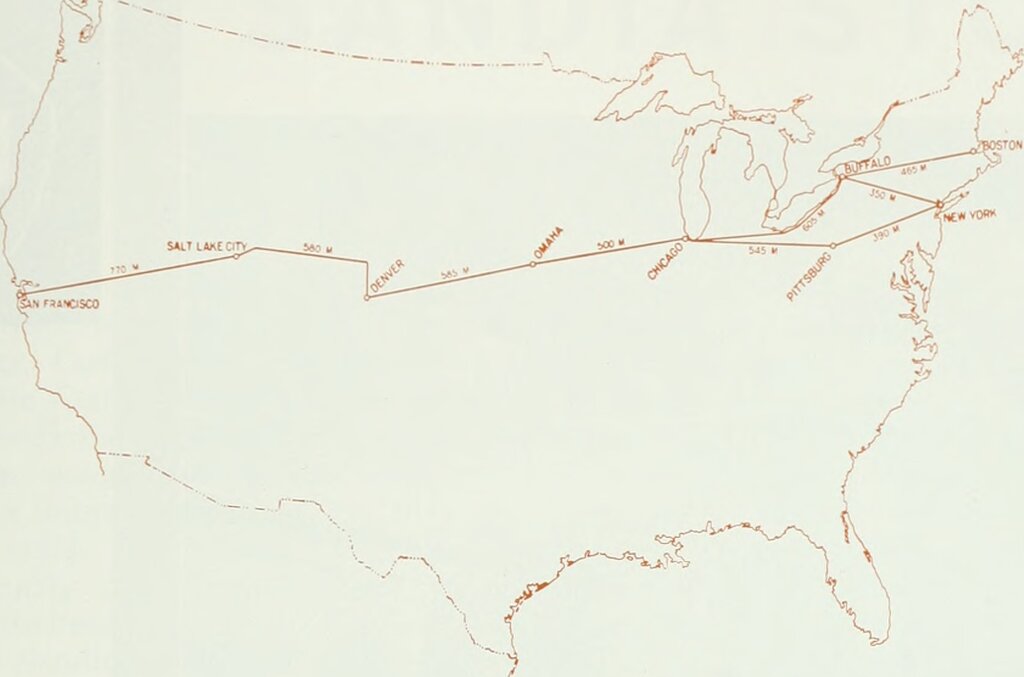
The PSTN was the backbone of global communication. It was built on a simple but powerful idea: create a dedicated, temporary path between two phones for the duration of a call. Think of it like a private railroad track laid down just for your conversation. Once you hung up, the track was dismantled, ready to be used for another call. This method is called circuit-switching.
Analog vs. Digital Voice
Early phone calls used analog signals. When you spoke into the receiver, a microphone converted the vibrations of your voice into a continuous electrical wave that mirrored the sound. This wave traveled down the wire, and at the other end, a speaker converted it back into sound. An analog signal is like a perfect, flowing copy of the original sound wave.
Analog was revolutionary, but it had a weakness: noise. Over long distances, the signal would degrade, and static or interference could easily creep in, just like a faint radio station. The solution was to go digital.
A digital signal doesn't try to replicate the exact wave. Instead, it takes thousands of tiny snapshots, or samples, of the analog wave every second. Each sample is measured and assigned a numerical value, which is then converted into binary code—a stream of 1s and 0s.
This stream of numbers is far more resilient to noise. Even if the signal gets a little distorted, a computer on the other end can still easily distinguish a 1 from a 0 and perfectly reconstruct the original sound. This is why a modern phone call, even from across the world, can sound crystal clear.
The Internet Changes Everything
The rise of the internet created a new way to connect. Instead of dedicated circuits, the internet uses packet-switching. Data is chopped up into small pieces called packets. Each packet is labeled with its destination and sent out into the network. They might travel along different paths and arrive out of order, but the receiving computer knows how to reassemble them correctly.
It wasn't long before engineers figured out how to apply this to voice calls. This new technology was called Voice over Internet Protocol, or VoIP.
VoIP
noun
A technology that allows you to make voice calls using a broadband Internet connection instead of a regular (or analog) phone line.
With VoIP, your voice is digitized, broken into packets, and sent over the internet just like an email or a web page. This is far more efficient than the old circuit-switched PSTN. Instead of a private railroad track for every call, VoIP is like a massive public highway system where your voice packets travel alongside all other internet traffic.
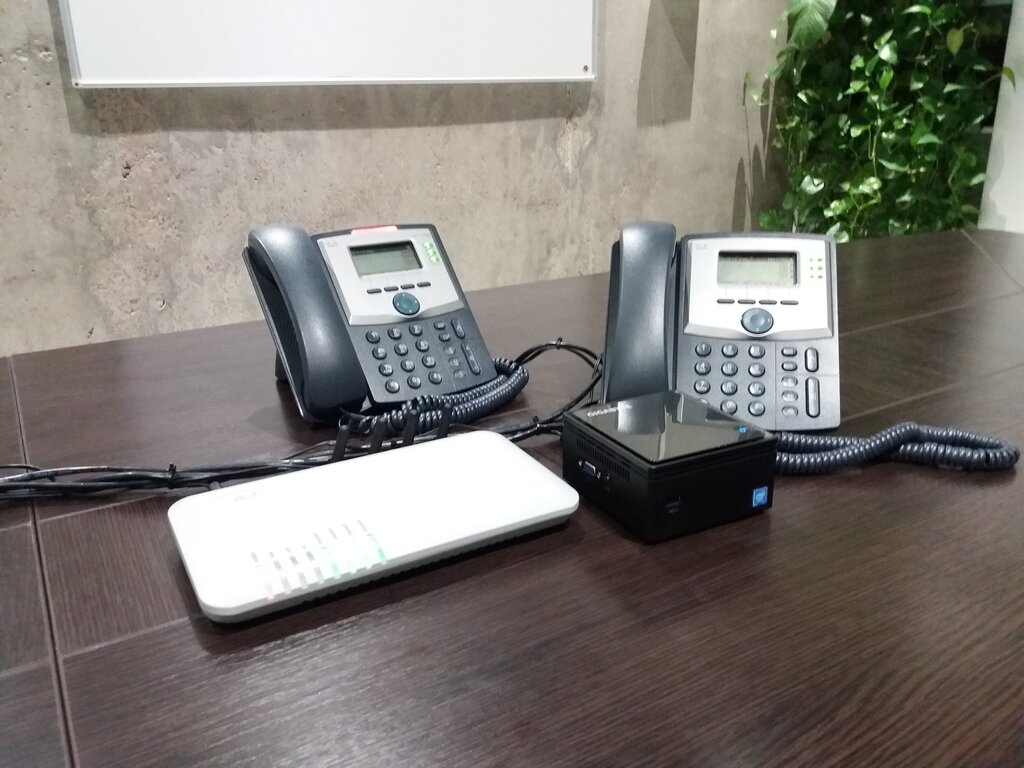
This shift has fundamentally changed how we communicate. VoIP powers services like Zoom, Skype, and WhatsApp calls. It's cheaper, more flexible, and can carry not just voice, but video and other data too. While the old PSTN is still around, much of its traffic now travels over internet-based networks for at least part of its journey.
What is the primary method used by the traditional Public Switched Telephone Network (PSTN) to connect calls?
What was a major disadvantage of analog signals for long-distance phone calls?
From analog waves over copper wires to digital packets zipping across the internet, the journey of voice communication has been one of constant innovation.